The Kale Salad That Started It All: Perfect & Delicious
The culinary world often thrives on irony, and nothing captures this better than the viral dessert sensation known as the kale salad that started it all. Despite its health-conscious name, this dish has nothing to do with leafy greens and everything to do with decadent indulgence. This unique dessert trend challenged the boundaries of traditional baking, proving that a clever moniker can turn a standard sponge cake into a cultural phenomenon. In this comprehensive guide, you will discover the secrets behind this misunderstood masterpiece, from the science of achieving the perfect crumb to the sophisticated topping techniques that distinguish a professional bake from a home experiment.
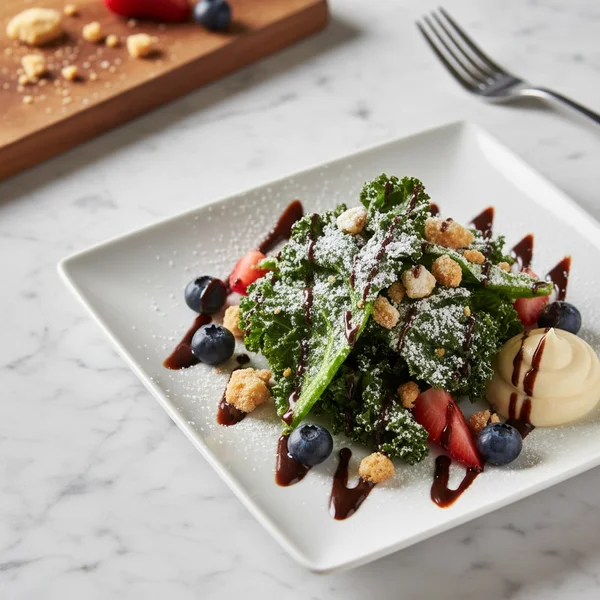
The kale salad that started it all is a masterclass in culinary subversion, utilizing classic dessert foundations like high-quality butter and sugar to create a green-hued visual treat that tastes like a traditional vanilla dream.
The Origins and Evolution of a Dessert Icon
The story of the kale salad that started it all begins not in a salad bar, but in the heart of the modern artisanal baking movement. Bakers began experimenting with natural pigments—most notably spinach and matcha—to create vibrant, verdant sponges that mimicked the appearance of superfoods. The name itself was a tongue-in-cheek response to the health craze of the mid-2010s, where “kale” was the answer to every nutritional question. By branding a rich, buttery dessert with this title, creators sparked a conversation about balance, indulgence, and the visual aesthetics of modern food.
In its most iconic form, the dessert is a dense yet soft cake that relies heavily on a precise ratio of flour and sugar to maintain its structure. While the color may suggest an earthy flavor, the actual profile is deeply traditional, leaning into the warmth of vanilla extract. This juxtaposition of “healthy” appearance and “heavenly” taste is precisely what fueled its viral growth across social media platforms. It wasn’t just a cake; it was a statement piece for dinner parties, forcing guests to question their assumptions about what a dessert should look like.
As the trend matured, the recipe evolved. What started as a simple sheet cake transformed into tiered masterpieces, often featuring elaborate layers of whipped cream or stabilized frosting. The evolution of the kale salad that started it all reflects a broader trend in the confectionery world: the move toward “deceptive desserts” that prioritize surprise and delight through visual storytelling.
The Science of the Perfect Sponge: Flour, Butter, and Lift
Achieving the legendary texture of the kale salad that started it all requires more than just mixing ingredients; it requires an understanding of chemical interactions. The foundation of the cake is the relationship between butter and sugar. By creaming room-temperature butter with granulated sugar, you incorporate tiny air pockets into the fat. This process is essential for the cake’s final volume. When the baking powder is introduced later, it reacts with the moisture and heat in the oven, expanding those air pockets and resulting in a light, airy crumb that contrasts beautifully with the dense appearance of the “greens.”
The choice of flour is equally critical. To maintain the structural integrity needed to support heavy layers of icing, a mid-protein all-purpose flour is typically the standard. If the protein content is too high, the cake becomes bread-like; if it is too low, the cake may crumble under its own weight. To ensure the cake remains moist, many professional bakers recommend a “reverse creaming” method, where the flour and butter are mixed first to coat the flour particles in fat, inhibiting gluten development.
Furthermore, the leavening agent must be fresh. Baking powder provides the necessary lift without the metallic aftertaste sometimes associated with baking soda. When combined with the moisture from eggs and the aromatic depth of vanilla extract, the sponge becomes a neutral yet flavorful canvas. The result is a dessert that looks like a bowl of greens but melts on the tongue with the richness of a classic pound cake.
Comparing Toppings: Frosting, Icing, and Whipped Cream
One of the most debated aspects of the kale salad that started it all is how to finish the top. Because the cake itself is so visually striking, the topping must serve both an aesthetic and a structural purpose. There are three primary contenders for this role, each offering a different mouthfeel and stability level.
| Topping Type | Key Characteristics | Best Used For |
|---|---|---|
| Frosting | Thick, opaque, and creamy; usually butter-based. | High-temperature environments and tiered cakes. |
| Icing | Thinner, glossier, and sets with a slight crunch. | Drizzling over bundt styles or simple sheet cakes. |
| Whipped Cream | Light, airy, and less sweet; requires refrigeration. | Balancing the richness of a very sweet sponge. |
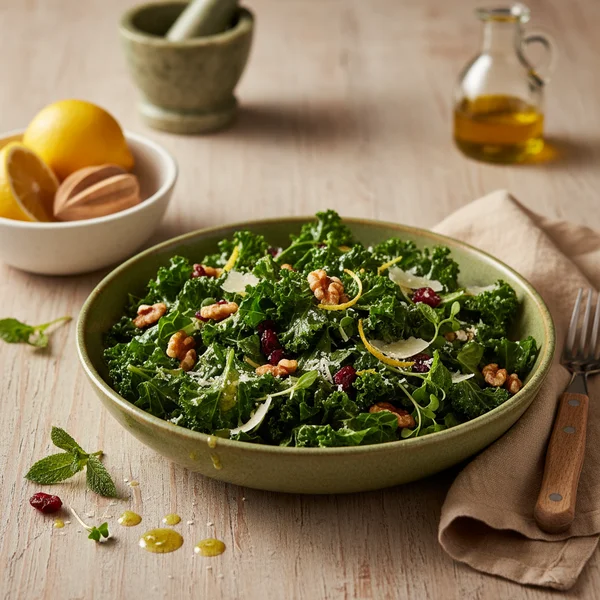
For the “authentic” look of the kale salad that started it all, a stabilized whipped cream or a light buttercream frosting is usually preferred. The goal is to create a ruffled texture on top that mimics the irregular surface of kale leaves. Some bakers achieve this by using a specific piping tip, while others prefer a rustic, hand-spread approach. Regardless of the choice, the topping must be applied only once the cake has completely cooled to prevent the fat in the butter or cream from melting into the sponge.
The Role of Aromatics and Flavor Balancing
While the visual aspect of the kale salad that started it all is its primary draw, the flavor profile is what keeps people coming back. Because the green color is often achieved through neutral-tasting vegetables like spinach, the baker must work harder to infuse the batter with high-quality aromatics. This is where vanilla extract plays a starring role. A high-quality, pure extract provides a complex, floral sweetness that rounds out the heavy notes of butter and sugar.
In some variations, bakers might introduce citrus zests or almond extracts to add layers of flavor. However, the purist version of the kale salad that started it all remains a vanilla-forward experience. The sweetness is the key. To ensure the cake isn’t cloying, a pinch of fine sea salt is often added to the flour mixture. This small addition enhances the perception of the other flavors, making the vanilla more prominent and the butter taste richer.
Balancing the sugar content is also vital when planning the frosting. If the cake sponge is particularly sweet, a tangy cream cheese frosting can provide a necessary counterpoint. Conversely, if the sponge is more subtle, a traditional American buttercream—heavy on the powdered sugar—can provide that classic dessert finish that contrasts so sharply with the cake’s deceptive appearance.
Expert Tips for Success
To truly master the kale salad that started it all, you must pay attention to the details that separate amateur baking from professional confectionery work. Temperature control is the most frequent point of failure for home bakers. When your butter is too cold, it won’t cream properly with the sugar; when it’s too warm, it won’t hold the air bubbles needed for lift. Similarly, adding eggs one at a time and ensuring they are at room temperature prevents the batter from curdling, which preserves the silky texture of the final crumb.
Another professional secret involves the handling of the flour. Over-mixing once the dry ingredients have been added is a common mistake. Once the flour and baking powder meet the wet ingredients, gluten begins to form. You want just enough gluten for structure, but too much will result in a tough, chewy cake. Use a folding motion or the lowest speed on your mixer to incorporate the dry ingredients just until no streaks of white remain.
- Sift your flour and baking powder together at least twice to ensure even distribution and a lump-free batter.
- For the most vibrant “kale” color without affecting flavor, blanch fresh spinach, shock it in ice water, and puree it finely before adding it to the wet ingredients.
- Always use unsalted butter to have total control over the sodium levels in your dessert.
Conclusion
The kale salad that started it all remains a testament to the creativity and humor found in modern baking. By taking the staples of the pantry—butter, sugar, and flour—and reimagining them through a lens of visual irony, bakers created a dish that is as much a conversation starter as it is a culinary treat. Whether you prefer it topped with a mountain of whipped cream or a delicate layer of icing, the key to success lies in the quality of your ingredients and the precision of your technique. Now that you understand the science and the story behind this iconic dessert, it is time to bring this green-hued wonder into your own kitchen.
❓ Frequently Asked Questions
1
How long does the kale salad last in fridge?
This dessert stays fresh in the refrigerator for about five to seven days when stored in an airtight container. Because it contains butter and sugar, keeping it chilled helps maintain the structure of the cake and prevents any frosting from melting or losing its texture over time.
2
Can I make the kale salad ahead of time?
Yes, you can bake this dessert a day in advance. Simply wrap the cooled cake tightly in plastic wrap and store it at room temperature. For the best flavor, apply any frosting or glazes on the day you plan to serve it to ensure a fresh presentation.
3
What can I substitute for kale?
If you aren’t ready for the kale salad that started it all, you can substitute the kale with finely grated zucchini or carrots. These vegetables provide a similar moisture content and texture while keeping the dessert sweet, though you’ll lose that iconic green hue and unique earthy flavor profile.
4
How do I know when the kale salad is done?
To check for doneness, insert a toothpick into the center of the cake; it should come out clean or with just a few moist crumbs. The edges should also begin to pull away slightly from the pan, and the top should spring back gently when lightly pressed.
5
Can I freeze the kale salad?
You can easily freeze this dessert for up to three months. Wrap individual slices or the entire cake in plastic wrap, followed by a layer of aluminum foil. Thaw it overnight in the refrigerator before serving to ensure the butter and vanilla extract flavors remain perfectly preserved.