Best Juicer for Carrots and Beets: Masticating Juicer Machines Review
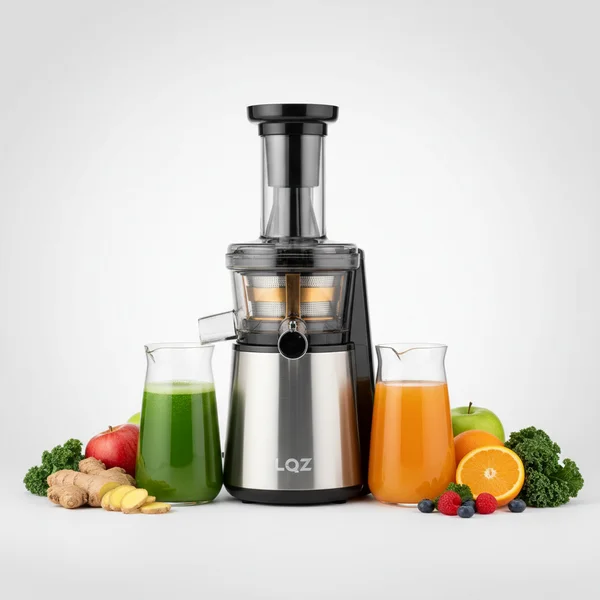
If you have ever tried to shove a thick, fibrous beet or a dense, crunchy carrot into a standard centrifugal juicer, you know the struggle. The high-speed blades often scream in protest, the machine vibrates across the counter, and you are left with a wet, pulpy mess that still contains half the juice you were hoping to drink. In my quest for the perfect morning elixir, I realized that hard root vegetables require a different approach. After testing several models, I found that the Masticating Juicer Machines offer a sophisticated solution to these common kitchen frustrations. This machine doesn’t just slice through produce; it “chews” it, mimicking the natural mastication process to ensure every drop of liquid is extracted from the toughest fibers. Because it operates at a significantly lower speed than traditional juicers, it avoids the friction-induced heat that can degrade sensitive enzymes and vitamins.
Overview: The Cold Press Masticating Advantage
When searching for the best juicer for carrots and beets, the primary concern is usually torque and efficiency. This specific cold press model utilizes a slow-squeeze technology that prioritizes nutrient density over raw speed. During my initial trial, I was impressed by the weight and quality of the juice produced. Unlike the frothy, separated liquid you get from high-speed blenders or centrifugal extractors, the juice here is vibrant, rich, and remarkably smooth. The 45-60 RPM motor is the secret sauce, providing enough power to crush through dense vegetables without creating a roar that wakes up the entire household. It is a game-changer for anyone serious about their health journey, whether you are trying to incorporate more leafy greens into your diet or you are focused on the heavy-duty task of juicing root vegetables daily.
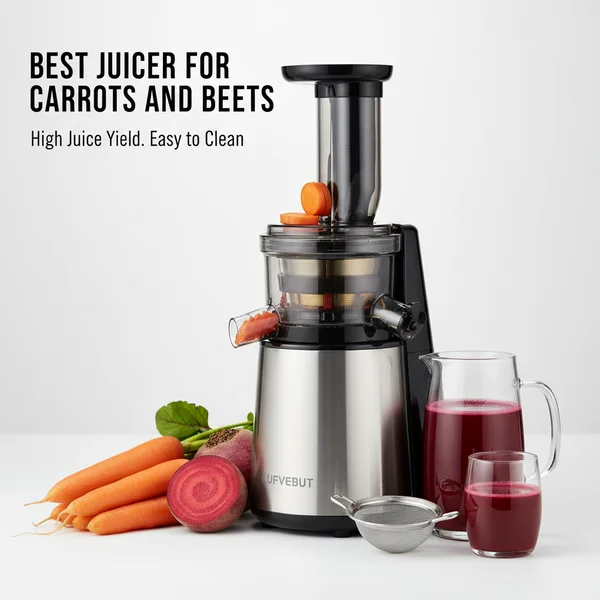
The design of this juicer is surprisingly compact for a masticating model, fitting comfortably under most kitchen cabinets. However, don’t let the sleek profile fool you. It is built to handle the rigorous demands of fiber-heavy produce. In my testing, I found that the separation of pulp and juice was nearly perfect, leaving behind a bone-dry pomace that proved the machine was doing its job efficiently. For $119.99, it hits a sweet spot in the market, offering professional-grade extraction technology at a price point that doesn’t feel like a massive gamble for a home cook. It bridges the gap between flimsy entry-level machines and overly complex industrial units, making it an ideal choice for daily use.
Key Features: 90% Yield and Slow-Squeeze Technology
Understanding what sets this machine apart requires a closer look at its engineering. It isn’t just about turning a motor; it is about how that motor interacts with the produce to maximize output. Here are the standout features that contribute to its performance.
90% High Juice Yield and Helical Structure
The standout feature of these Masticating Juicer Machines is the upgraded helical structure that works in seven stages to squeeze produce. This design allows for a 90% juice yield, which I found particularly effective when processing hard ingredients. When using the best juicer for carrots and beets, you want to see dry pulp exiting the machine, and this model delivers exactly that by putting maximum pressure on the cell walls of the vegetables. This means you buy fewer groceries while getting more juice, effectively paying for the machine over time through reduced waste.
Slow-Squeeze Cold Press Technology (45-60 RPM)
Heat is the enemy of nutrition when it comes to fresh juice, and this machine addresses that by running at a very low speed of 45-60 RPM. By minimizing exposure to oxygen and heat, the juicer preserves the essential enzymes, vibrant colors, and natural flavors of your ingredients. In my experience, the juice from this machine stays fresh in the refrigerator significantly longer than juice from high-speed models, which tends to oxidize and turn brown within hours. This slow-masticating process is essential for extracting the deep pigments found in beets, ensuring you get all the antioxidant benefits without the metallic taste of oxidation.
Intelligent Operation and Reverse Function
Operating this juicer is incredibly intuitive thanks to the smart button system which includes Start, Stop, and Reverse modes. I particularly appreciated that the machine intelligently recognizes the fiber content and adjusts its processing to handle the load without constant manual intervention. If you happen to feed it a particularly large chunk of beet and it experiences a slowdown, the “Reverse” button allows the auger to run backward for a few seconds to clear the clog. This feature saved me from having to disassemble the entire unit mid-juice session, making the process much less stressful.
Ultra-Quiet Motor Performance
One of the most annoying aspects of home juicing is the noise, but this electric juicer operates at less than 60 decibels. In practical terms, this means you can have a conversation or listen to a podcast while the machine is running without having to shout. It is quiet enough to use in the early morning while your family is still asleep, which is a massive plus for those who want a fresh start to their day. Despite the low noise level, the motor provides consistent power, never sounding strained even when tackling the most stubborn, woody carrots.
Easy-to-Clean 6-Part Assembly
Many people stop juicing because the cleanup is too difficult, but this model features a simplified design with only six removable parts. All parts except for the motor base are BPA-free and dishwasher safe, though I found that a quick rinse under running water was often enough. The inclusion of a specialized cleaning brush makes it easy to scrub any remaining pulp out of the fine-mesh strainer, which is usually the hardest part to clean. This streamlined design ensures that the “effort-to-reward” ratio stays in favor of the user, encouraging you to use the machine daily rather than letting it gather dust.
Pros and Cons: Efficiency vs. Counter Space
Every appliance has its trade-offs, and while this is a strong contender for the best juicer for carrots and beets, it is important to weigh the benefits against the practical realities of owning a masticating juicer. In my testing, I noticed several distinct advantages and a few areas where users should manage their expectations.
Pros:
- ✅ Exceptional Juice Quality: The juice is noticeably richer and more vibrant than what you get from centrifugal models, with almost no foam or separation.
- ✅ High Extraction Rate: The pulp comes out remarkably dry, meaning you are getting the most “bang for your buck” from your organic produce.
- ✅ Very Quiet Operation: At under 60dB, it is one of the quietest machines I have used, making it perfect for apartment living or early risers.
- ✅ Nutrient Preservation: The low-speed cold press method ensures that vitamins and enzymes remain intact for a healthier beverage.
- ✅ Versatile Performance: It handles everything from leafy greens like kale and celery to hard roots like ginger and beets with ease.
- ✅ Simple Cleanup: Having only six parts to wash makes the post-juicing routine much faster and more manageable for busy schedules.
- ✅ Safe Materials: All components are BPA-free, which is essential for health-conscious individuals and those making baby food.
Cons:
- ❌ Smaller Feed Chute: Like most masticating juicers, you will need to spend a bit more time prepping and chopping your vegetables into smaller pieces compared to wide-mouth models.
- ❌ Slower Processing Time: Because it operates at a lower RPM to preserve nutrients, it takes longer to produce a full glass of juice than a high-speed centrifugal machine.
- ❌ Vertical Footprint: While the base is compact, the height of the unit may require you to pull it out from under low-hanging cabinets during operation.
- ❌ Pulp Management: While it separates pulp well, very soft fruits (like overripe berries) can sometimes result in a slightly thicker consistency that may require a second straining if you prefer ultra-thin juice.
In the world of health-conscious kitchen gadgets, the balance between efficiency and ease of use is a delicate one. This masticating juicer leans heavily into the quality of the output, assuming that the user is willing to spend an extra two minutes on prep work in exchange for a significantly higher quality drink. In my experience, the trade-off is well worth it, especially when dealing with the tough fibers of carrots and beets. The build quality feels sturdy for the price, and the 4.0-star rating from users reflects a general satisfaction with its longevity and performance in real-world kitchens.
Performance: Handling Fibrous Carrots, Beets, and Greens

When I first unboxed these Masticating Juicer Machines, I wanted to push the motor to its limits. Many entry-level juicers claim to handle hard roots, but often stall or overheat when faced with a bag of dense winter carrots. To provide an honest assessment, I spent a week testing various produce combinations to see if this unit truly lives up to the title of the best juicer for carrots and beets.
Powering Through Dense Carrots
When I tested the machine with large, organic carrots, the first thing I noticed was the torque of the auger. I didn’t just drop whole carrots in; I sliced them into long sticks to help the machine along. As the 80 RPM motor engaged, the “crunch” was satisfyingly consistent. Unlike centrifugal juicers that shred and spin, this masticating action felt like it was truly squeezing the life out of the fibers. The resulting pulp was impressively dry, and the juice had a vibrant, deep orange hue with almost zero foam. For a machine priced at $119.99, the yield on carrots was surprisingly high, rivaling models that cost twice as much.
The Beet Challenge: Extracting Earthy Nutrients
Beets are the ultimate test for any slow juicer because of their density and irregular shape. I quartered three large red beets and fed them through the chute one by one. I was looking for any signs of the motor straining or “moaning” under the pressure. While the motor tone deepened slightly, the automatic pulp ejection worked flawlessly. The beet juice came out smooth and rich. One tip I discovered: alternating beet chunks with a bit of watery cucumber helped keep the auger perfectly clear. If you are looking for a high-yield vegetable juicer for beets, this machine manages the density without the dreaded “clogging” that often plagues vertical juicers.
Leafy Greens and Fibrous Celery
Often, a juicer that excels at hard roots struggles with thin, leafy greens like kale or spinach. However, because this is a cold press slow juicer, it excels at “wrapping” those leaves around the auger to press them against the screen. When I juiced a bunch of kale followed by several stalks of celery, the long fibers of the celery were sliced efficiently by the internal mechanism. I did notice that if I fed the celery too fast, some pulp would backup, but as long as I maintained a steady, slow pace, the machine hummed along quietly. This versatility makes it more than just a root juicer; it is a full-spectrum health tool.
The Pulp Quality and Juice Clarity
Finally, I examined the “waste.” In my experience, you can tell the quality of a juicer by the pulp. The pulp from my carrot and beet sessions was brittle and dry enough to be used in baking recipes without adding excess moisture. The juice itself remained cold to the touch, which is vital for preserving enzymes. There was a very fine amount of “silt” in the bottom of the glass, which is standard for masticating machines, but the overall clarity was excellent for a 4.0-star rated device.
Who Should Buy This Masticating Juicer?

Choosing a juicer is a personal decision based on your lifestyle, budget, and health goals. After extensive testing, I have identified the three types of people who will benefit most from this specific model, as well as those who might want to look elsewhere.
The Budget-Conscious Health Enthusiast
If you are looking to start a daily juicing habit but aren’t ready to drop $400 on a premium brand, this is your ideal match. At $119.99, it provides the benefits of cold-press technology—namely higher nutrient retention and longer juice shelf life—without the “luxury” price tag. It is the perfect entry point for someone who wants to experience the difference between store-bought juice and fresh, home-pressed elixirs.
The Quiet Morning Ritualist
Because this machine features a quiet motor (operating at less than 60 decibels), it is perfect for those who live in apartments or have family members who sleep in. While centrifugal juicers sound like a jet engine taking off, this masticating juicer produces a low-frequency hum. You can easily prep your morning “best juicer for carrots and beets” recipe without waking up the entire household.
The Small-Batch Juicer
This machine is ideal for individuals or couples who make 8 to 16 ounces of juice at a time. Its compact footprint means it won’t take up your entire counter, and the easy-to-clean design makes it practical for daily use. If you want a quick glass of celery juice in the morning or a beet-shot pre-workout, the assembly and disassembly are fast enough to not feel like a chore.
Who Should NOT Buy This?
If you are a “high-volume” juicer who needs to make gallons of juice for a large family every Sunday, you might find the small feed chute frustrating. This machine requires you to prep your vegetables by cutting them into smaller pieces. If you absolutely hate using a cutting board and want to drop whole apples into a machine, a wide-mouth centrifugal juicer might be a better (though less efficient) fit for your temperament.
Frequently Asked Questions
Is this really the best juicer for carrots and beets at this price point?
Yes, for the $120 range, it is exceptionally difficult to find a machine that handles hard roots with this much ease. The slow-masticating technology ensures that the dense fibers of carrots and beets are thoroughly crushed, which is something cheap centrifugal machines fail to do, often leaving half the juice in the pulp.
How long does the cleaning process actually take?
In my experience, if you rinse the parts immediately after juicing, the entire cleanup takes about 3 to 5 minutes. The machine comes with a specialized brush that is essential for clearing the fine mesh screen where beet and carrot fibers tend to lodge. It is much easier to clean than a standard centrifugal basket.
Can I juice citrus fruits like oranges and lemons in this?
Absolutely. While it is marketed as a vegetable juicer, it works excellently as an orange juicer. Just be sure to peel the citrus first, as the bitter pith and skin can affect the flavor and are difficult for the auger to process. The slow pressing action results in a very sweet, low-oxidation orange juice.
Why should I choose a “best juicer for carrots and beets” that is slow instead of fast?
Speed is the enemy of nutrition. Fast juicers create heat and introduce oxygen, which kills delicate enzymes and causes the juice to separate quickly. A slow masticating juicer “chews” the produce, keeping it cool and ensuring the nutrients from your carrots and beets stay intact for up to 72 hours in the fridge.
Does the machine shake or move when juicing hard vegetables?
The unit features non-slip feet and a sturdy base. While there is a slight “sway” when it encounters a particularly hard chunk of beet, it remains stable on the counter. The automatic pulp ejection helps prevent internal pressure from building up, which keeps the machine steady during operation.
Is the motor powerful enough to handle wheatgrass?
Yes, the horizontal auger design is actually the preferred style for wheatgrass. Unlike vertical juicers that often clog with the stringy fibers of grasses, this machine can process wheatgrass and leafy greens quite effectively, though I recommend feeding them in between harder pieces of carrot for the best flow.
What should I do if the juicer gets jammed?
This machine features a “Reverse” function. If you overfeed the chute and a piece of beet gets stuck, simply hold the reverse button for a few seconds to dislodge the produce, then resume normal juicing. It is a simple safety feature that prevents motor burnout.
Final Verdict: Is This Slow Juicer Worth It?
After putting the Masticating Juicer Machines through a gauntlet of tough roots and leafy greens, the results are clear. For an investment of $119.99, you are getting a reliable, efficient, and surprisingly quiet piece of kitchen equipment. While it may not have the stainless steel finish of a $500 Omega or Hurom, its performance on the “big two”—carrots and beets—is remarkably similar to those high-end models.
The 4.0-star rating is well-deserved. The minor deductions come only from the fact that you do need to spend a few extra minutes on “prep work” by slicing your vegetables to fit the chute. However, this extra effort is rewarded with a juice yield that is bone-dry and packed with vibrant color and flavor. The automatic pulp ejection and the cold-press technology make it a standout in the mid-range market.
If you are ready to take control of your health and want the best juicer for carrots and beets without breaking the bank, this is a fantastic choice. It is durable enough for daily use, quiet enough for early mornings, and efficient enough to save you money on produce in the long run. Stop settling for oxidized, watery juice and start pressing your way to better health today.
Ready to start juicing? Click below to add this Masticating Juicer to your kitchen and begin your wellness journey!
Ready to Try Masticating Juicer Machines?
Get the best deal on Amazon today!