Foods for Sun Protection: Ultimate Healthy Guide
While slathering on high-quality SPF is a non-negotiable part of skin safety, true dermal resilience starts from the inside out. Emerging nutritional science suggests that your diet acts as a secondary line of defense against the damaging effects of ultraviolet radiation. By strategically incorporating specific foods for sun protection, you can bolster your skin’s natural ability to neutralize free radicals, reduce inflammation, and repair DNA damage caused by solar exposure. This guide explores the most potent ingredients for nutritional photoprotection, explains the bio-mechanisms of how they work, and provides a delicious recipe designed to optimize your skin health during the brightest months of the year.
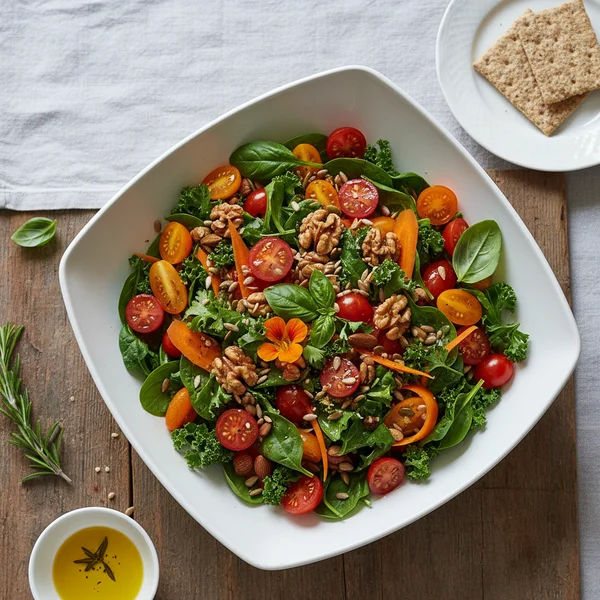
Consuming foods rich in lycopene, beta-carotene, and polyphenols creates a “biological umbrella” that helps prevent UV-induced redness and long-term cellular damage, though it should always complement, not replace, topical sunscreen.
The Science of Edible Sunscreen and Lycopene-Rich Fruits
The concept of “edible sunscreen” centers on the accumulation of antioxidants in the skin’s layers. When UV rays hit the skin, they create reactive oxygen species (ROS) that break down collagen and damage cell structures. Antioxidants found in specific foods travel through the bloodstream and settle in the dermis and epidermis, where they stand ready to intercept these harmful molecules.
Tomatoes are arguably the most famous among foods for sun protection due to their high concentration of lycopene. Lycopene is a carotenoid pigment that gives tomatoes their red color and serves as a powerful quencher of singlet oxygen. Interestingly, the bioavailability of lycopene increases significantly when tomatoes are cooked and paired with a healthy fat, such as olive oil. A landmark study showed that participants who consumed tomato paste daily for ten weeks experienced significantly less skin reddening when exposed to UV light compared to a control group. Watermelon is another excellent source, containing even more lycopene per gram than raw tomatoes, while also providing essential hydration to keep the skin barrier supple.
The Dark Green Defense: Lutein and Zeaxanthin
Leafy greens like spinach, kale, and Swiss chard offer a different type of protection through the carotenoids lutein and zeaxanthin. While these nutrients are frequently praised for eye health, they play a critical role in skin integrity as well. These compounds help filter out high-energy blue light and protect against lipid peroxidation in the skin cells.
Beyond carotenoids, leafy greens are packed with Vitamin E, a fat-soluble antioxidant that works synergistically with Vitamin C to regenerate skin cells. This “dynamic duo” of vitamins helps stabilize cell membranes, making them less susceptible to the oxidative stress triggered by a day at the beach. Including a variety of greens in your daily meals ensures a steady supply of these protective molecules, creating a cumulative effect that builds up over several weeks of consistent consumption.

Polyphenols and Omega-3 Fatty Acids for Dermal Integrity
Berries, green tea, and even dark chocolate contribute to sun defense through a diverse group of plant compounds called polyphenols. Green tea, in particular, is rich in epigallocatechin-3-gallate (EGCG), which has been shown to reduce the severity of sunburns and decrease the risk of long-term UV-induced skin aging. Similarly, the flavonoids in dark chocolate (with at least 70% cocoa) can improve skin thickness and hydration while boosting blood flow to the cutaneous tissues, which aids in the delivery of nutrients and the removal of toxins.
To further support the skin’s inflammatory response, Omega-3 fatty acids found in walnuts, flaxseeds, and fatty fish are essential. These healthy fats help maintain the “glue” between skin cells, preventing moisture loss and calming the inflammatory cascade that follows UV exposure. By reducing systemic inflammation, Omega-3s help the skin recover faster from incidental sun exposure, minimizing the duration of redness and irritation.
A Sun-Defense Power Meal: The Mediterranean Skin-Shield Salad
Integrating these protective ingredients into a single meal is the most effective way to maximize their benefits. This recipe combines the lycopene of tomatoes and watermelon with the healthy fats of salmon and walnuts to create a delicious, photoprotective lunch. Each ingredient was selected for its specific contribution to skin health and UV resistance.
Recipe: The Mediterranean Sun-Shield Salad
This vibrant salad is designed to be a nutritional powerhouse for your skin. It focuses on high-antioxidant fruits and vegetables paired with essential fatty acids for maximum absorption.
- Prep time: 15 minutes
- Cooking time: 10 minutes
- Servings: 2
- Calories: 420 per serving
Ingredients:
- 2 cups fresh baby spinach (rich in lutein)
- 1 cup cubed watermelon (high in lycopene)
- 1 cup cherry tomatoes, halved (cooked slightly for better lycopene absorption)
- 6 oz grilled wild-caught salmon (Omega-3 fatty acids)
- 1/4 cup walnuts, chopped (Vitamin E)
- 1/2 avocado, sliced (healthy fats for nutrient transport)
- Dressing: 2 tbsp extra virgin olive oil, 1 tbsp lemon juice, 1 tsp honey, and a pinch of turmeric.
Instructions:
- Preheat a small skillet over medium heat. Toss the cherry tomatoes with a drizzle of olive oil and sauté for 3-5 minutes until the skins begin to soften and blister slightly. This step is crucial as it increases the bioavailable lycopene content.
- In a large bowl, layer the baby spinach as the base.
- Add the grilled salmon (broken into bite-sized pieces), cubed watermelon, and the warmed cherry tomatoes.
- Top the salad with sliced avocado and chopped walnuts for a satisfying crunch and a dose of Vitamin E.
- In a small jar, whisk together the olive oil, lemon juice, honey, and turmeric. The turmeric provides additional anti-inflammatory benefits that complement the sun-protective properties of the other ingredients.
- Drizzle the dressing over the salad and toss gently before serving.
Comparison of Key Sun-Protective Compounds
Understanding which foods provide which benefits can help you rotate your diet effectively. Below is a comparison of common foods for sun protection and their primary active nutrients.
| Food Source | Primary Nutrient | Main Benefit |
|---|---|---|
| Cooked Tomatoes | Lycopene | Reduces UV-induced redness (erythema) |
| Sweet Potatoes | Beta-Carotene | Provides a natural warm glow and UV filter |
| Green Tea | EGCG (Polyphenols) | Repairs DNA damage and prevents aging |
| Almonds | Vitamin E | Strengthens cell walls against oxidation |
| Blueberries | Anthocyanins | Neutralizes free radicals from sun exposure |
Expert Tips for Nutritional Sun Defense
To get the most out of a sun-protective diet, experts recommend a “cumulative approach.” Unlike topical sunscreen, which works immediately, nutritional protection takes time to build up in your system. It typically takes between eight to twelve weeks of consistent intake for carotenoids and polyphenols to reach levels in the skin that offer measurable protection. Therefore, it is best to start increasing your intake of these foods well before the summer season begins.
Additionally, variety is key. Different antioxidants target different types of free radicals. By eating a “rainbow” of produce—red tomatoes, orange carrots, green spinach, and purple berries—you create a comprehensive network of defense. Experts also suggest sipping on cooled green tea throughout the day for a constant supply of polyphenols during peak sun hours.
- Always pair fat-soluble nutrients (like those in tomatoes and carrots) with a healthy fat like avocado or olive oil to ensure your body can actually absorb them.
- Don’t forget the citrus; Vitamin C is essential for collagen synthesis, which helps the skin bounce back after sun-induced stress.
- Internal protection is an “add-on,” not a replacement. You should still wear a hat and apply SPF 30 or higher when outdoors.
In conclusion, managing your skin’s health requires more than just external products; it demands a nutrient-dense diet focused on foods for sun protection. By loading your plate with lycopene, carotenoids, and healthy fats, you empower your skin to fight back against UV damage at a cellular level. While these dietary habits provide a significant boost to your skin’s resilience, they work best when combined with traditional sun safety measures. Start incorporating the Mediterranean Skin-Shield Salad and other antioxidant-rich meals into your routine today to build a lasting, healthy glow from within.
❓ Frequently Asked Questions
1
How long does it take for these foods to work?
It typically takes about 10 to 12 weeks of consistent consumption for foods for sun protection to build up enough antioxidants in your skin to provide measurable UV resistance. Consistency is key to maintaining this internal barrier against environmental damage and oxidative stress over time.
2
Can I stop using sunscreen if I eat these?
No, you should never stop using topical sunscreen. While these foods for sun protection offer an internal layer of defense, they only provide a low SPF equivalent. Think of your diet as a secondary support system to your primary topical sunblock routine for maximum safety.
3
What is the best vegetable for skin health?
Tomatoes are often considered the best because they are loaded with lycopene, a powerful carotenoid. When cooked or paired with fats, lycopene becomes even more bioavailable, significantly improving the skin’s ability to neutralize free radicals from sun exposure and helping to prevent long-term cellular damage.
4
Are there any fruits that help?
Watermelon and pink grapefruit are excellent choices as they also contain high amounts of lycopene. Additionally, citrus fruits provide vitamin C, which is essential for collagen production and repairing skin cells that have been damaged by UV rays, making them vital additions to your diet.
5
Do nuts provide sun protection?
Yes, specifically walnuts and almonds. They are rich in vitamin E and omega-3 fatty acids, which help maintain skin elasticity and protect cell membranes from oxidative stress caused by the sun. Including these in your daily snacks makes them essential foods for sun protection and health.