What Are Collard Greens in Australia: Ultimate Guide
In Australia, collard greens are the same broad-leafed, non-heading cabbage (Brassica oleracea var. viridis) popular in American Southern cuisine. While often simply called “collard greens,” they are sometimes labeled as “spring greens” or “non-heading cabbage” in local markets. They are slightly less common than kale or silverbeet in major supermarkets like Coles or Woolworths, but are widely available at independent greengrocers, organic markets, and farmers’ markets across the country, prized for their sturdy texture and nutritional density.
Understanding Collard Greens in the Australian Context
For many Australians, the term “collard greens” often brings to mind images of American soul food—specifically, greens slow-cooked for hours with smoked meats. However, in the Australian culinary landscape, these leafy greens are undergoing a transformation. Botanically, collards are members of the Acephala group of the species Brassica oleracea, which also includes kale and spring greens. Unlike traditional cabbage, they do not form a tight head; instead, they produce large, dark green, fan-like leaves with thick, fibrous stalks.
In Australia, the availability of collard greens can vary by region. Because the Australian climate is diverse, these fresh vegetables are grown in cooler temperate regions during the autumn and winter months, but they are incredibly hardy and can withstand the heat better than many other leafy greens. This resilience makes them an excellent crop for Australian growers. While you might not always find them nestled between the iceberg lettuce and spinach in the “big two” supermarkets, they are a staple in “box delivery” services and specialty produce stores that focus on heirloom varieties.
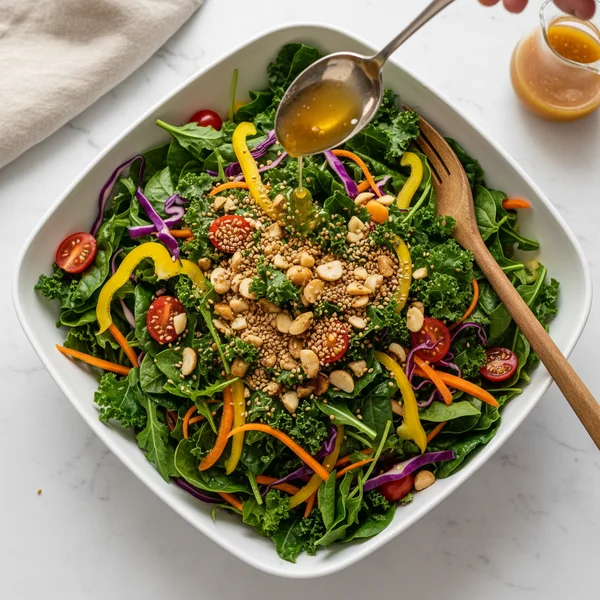
From a culinary perspective, Australians are increasingly treating collards as a healthy addition to raw preparations. While the leaves are thicker and tougher than spinach or lettuce, they are far more durable. This makes them ideal for a tossed salad that needs to sit for a few hours without wilting. The flavor profile is earthy and slightly bitter, similar to kale but with a smoother leaf surface that some find more palatable. When prepared correctly, they provide a satisfying bite that complements a variety of textures in a modern salad bowl.
It is also important to distinguish collards from “Silverbeet” (Swiss Chard), which is the most ubiquitous green in Australian gardens. While silverbeet has a similar structure, it belongs to a different family (the beet family) and has a much saltier, softer leaf. Collards are sturdier and hold their shape better when marinated in a heavy dressing or a bright vinaigrette.
How to Prepare an Australian Collard Green Salad
Because collard greens are naturally tough, the secret to using them in a salad lies in the preparation. You cannot simply chop them and serve them like butter lettuce; they require a bit of manual labor to transform them into a tender, healthy base. Follow these steps to create a refreshing Australian-style collard salad that highlights fresh vegetables and vibrant flavors.

- Wash and De-stem: Begin by thoroughly rinsing the leaves in cold water to remove any grit or soil. Lay the leaf flat and use a sharp knife to cut along the central rib, removing the thick, woody stalk. Do not throw these away; they can be finely sliced and pickled or added to a stir-fry later.
- The Chiffonade Technique: Stack several de-stemmed leaves on top of each other and roll them tightly like a cigar. Use a sharp knife to slice across the roll into very thin ribbons. The thinner the slice, the easier they will be to chew and the better they will absorb your dressing.
- The Massage Method: Place the shredded greens in a large bowl. Sprinkle a pinch of sea salt and a squeeze of lemon juice over them. Using clean hands, “massage” the leaves for 2 to 3 minutes. You will feel the fibers break down and the volume of the greens will reduce by nearly half. The leaves will turn a darker, more vibrant green and become significantly more tender.
- Whisk the Vinaigrette: In a separate jar, combine extra virgin olive oil (or Australian macadamia oil), apple cider vinegar, a teaspoon of Dijon mustard, and a touch of honey or maple syrup. Shake well until emulsified. This acidic vinaigrette further softens the leaves as they marinate.
- Combine and Toss: Add the massaged greens to a bowl with other fresh vegetables like grated carrots, thinly sliced radishes, and diced cucumber. Pour the dressing over the mixture and ensure everything is thoroughly tossed so every leaf is coated.
- Add Crunchy Toppings: Just before serving, sprinkle the salad with crunchy toppings. Toasted pepitas, sunflower seeds, or crushed walnuts work beautifully to provide a textural contrast to the soft, marinated greens.
By following this method, you turn a vegetable that is often thought of as “tough” into a sophisticated salad base that stays fresh and crunchy even the next day, making it perfect for meal prep or a long lunch.
Important Considerations for Sourcing and Using Collards
When searching for “collard greens” in Australia, there are several practical considerations to keep in mind to ensure you get the best quality and the right ingredient for your healthy recipes. Because the name can vary, the visual identification is your best tool. Look for large, paddle-shaped leaves that are smooth rather than curly. If the leaves are yellowing or have large holes, they are past their prime.
One common mistake is confusing collards with “Kale” or “Cabbage Sprouts.” While they are related, collards have a much flatter leaf and a more neutral “green” flavor than the peppery bite of some kales. If you are in a regional area of Australia where collards are strictly unavailable, the best substitute is “Tuscan Kale” (also known as Cavolo Nero), which has a similarly sturdy structure but a darker, more textured appearance.
Another consideration is the seasonality of the fresh vegetables you pair with them. Collards are quite substantial, so they pair best with ingredients that can stand up to their weight. Avoid delicate microgreens or soft herbs as the main accompaniment; instead, opt for hardy vegetables like beetroot, broccoli stalks, or capsicum. Furthermore, because collards contain high amounts of Vitamin K, they are exceptionally healthy, but those on specific blood-thinning medications should consult their doctor regarding consistent intake, as is standard with all dark leafy greens.
Finally, remember that the “toughness” of the collard is its greatest strength. While a spinach salad will turn into a soggy mess if left in dressing for more than twenty minutes, a collard salad actually improves over time. This makes it an ideal candidate for Australian outdoor barbecues and picnics where food may sit out for a period.
- Acid is Key: Always use a high-acid vinaigrette (lemon or vinegar-based) to help break down the cellulose in the leaves.
- Boost the Crunch: For the best crunchy toppings, try toasted Australian macadamias or lightly fried shallots to add a savory depth.
- Storage: Store unwashed collard leaves in a damp paper towel inside a reusable silicone bag in the crisper drawer; they will stay fresh for up to a week.
- Don’t Waste the Stems: Thinly slice the stems and sauté them with garlic for a quick, healthy side dish.
Final Thoughts on Collards in Australia
Collard greens might not be the first thing that comes to mind when you think of the Australian produce aisle, but they are a versatile, nutrient-dense powerhouse that deserves a spot in your kitchen. Whether you find them at a local farmers’ market under the name “non-heading cabbage” or at a specialty grocer, their ability to transform into a delicious, tossed salad is unmatched. By mastering the massage technique and pairing them with a bold dressing and crunchy toppings, you can enjoy a healthy, fresh vegetable dish that celebrates the best of Australian-grown leafy greens. As the Australian food scene continues to embrace global ingredients, collards are surely set to become a mainstay in modern, health-conscious households.
❓ Frequently Asked Questions
1
How long does collard salad last in fridge?
A dressed collard green salad can last in the fridge for up to three days. Unlike delicate lettuce, these hearty leafy greens maintain their texture even after being tossed with a vinaigrette. Store in an airtight container to keep the fresh vegetables crisp and flavorful for several days.
2
Can I make this salad ahead of time?
Yes, collard greens are ideal for meal prep. You can prepare the dressing and chop the leafy greens a day in advance. In fact, letting the greens sit in the vinaigrette for an hour before serving helps tenderize them, making the salad even more delicious and easy to eat.
3
What can I substitute for collard greens?
If you cannot find collard greens in Australia, the best substitute is Silverbeet (Swiss chard) or Tuscan kale (Cavolo Nero). These options provide a similar texture and nutritional profile. They work perfectly when tossed with a zesty dressing and mixed with other fresh vegetables in a healthy salad.
4
How do I know when collards are fresh?
Look for leaves that are deep green, firm, and free from yellowing or wilting. The stems should be crisp rather than floppy. Fresh leafy greens will have a slight snap when broken. Avoid bunches with large holes or slimy spots, as these indicate the vegetables are past their prime.
5
Can I freeze collard greens?
You can freeze collard greens, but they must be blanched first. Boil the leaves for three minutes, then plunge them into ice water. Drain thoroughly and squeeze out excess moisture before packing into freezer bags. Frozen greens are best used in soups or stews rather than a fresh tossed salad.