Does Pineapple Juice Help With Hangovers? Quick Guide
Yes, pineapple juice can be an effective tool for managing hangover symptoms. It is naturally hydrating and rich in fructose, which helps accelerate alcohol metabolism. More importantly, it contains bromelain, an enzyme that reduces inflammation, and high levels of Vitamin C and potassium. While not a “cure,” drinking chilled pineapple juice helps replenish lost nutrients, settles the stomach, and provides a much-needed energy boost during recovery.
Understanding Why Pineapple Juice Works for Hangovers
When you consume alcohol, your body undergoes several stressful processes. Alcohol is a diuretic, leading to dehydration and the loss of essential electrolytes. It also triggers an inflammatory response and causes blood sugar levels to dip. This combination results in the classic headache, fatigue, and nausea associated with a hangover. Pineapple juice acts as a multi-functional recovery beverage because its nutrient profile directly targets these physiological issues.
One of the standout components of pineapple juice is bromelain. This is a powerful proteolytic enzyme typically known for aiding digestion, but it also possesses significant anti-inflammatory properties. Since much of the discomfort during a hangover stems from systemic inflammation, bromelain can help soothe the body’s internal response to acetaldehyde, the toxic byproduct of alcohol metabolism. By reducing this inflammation, you may find that muscle aches and general grogginess subside more quickly than they would with water alone.
Furthermore, pineapple juice is an excellent source of natural fructose. Scientific studies have suggested that fructose can increase the rate at which the body metabolizes alcohol. When your liver is struggling to process the toxins from the night before, a controlled infusion of natural fruit sugars provides the necessary fuel to speed up the detoxification process. Unlike refined sugars found in soda, the sugars in pineapple juice come accompanied by fiber and vitamins, preventing a drastic “sugar crash” later in the day.
Hydration is the most critical pillar of hangover recovery. While water is essential, pineapple juice is highly hydrating because it contains potassium and manganese. Potassium is an electrolyte that is often depleted during a night of drinking. Replenishing these minerals helps restore the balance of fluids in your cells, which can alleviate the throbbing pressure of a dehydration-induced headache. When served chilled or poured over ice, the juice also provides a refreshing sensory experience that can help settle a queasy stomach.
How to Prepare the Ultimate Pineapple Recovery Drink
While drinking a simple glass of chilled juice is beneficial, you can maximize the recovery benefits by creating a nutrient-dense recovery smoothie. Using a blender allows you to incorporate other hydrating ingredients that work synergistically with the pineapple to get you back on your feet faster. Follow these steps to create a highly effective, refreshing recovery beverage.

Step 1: Choose Your Base
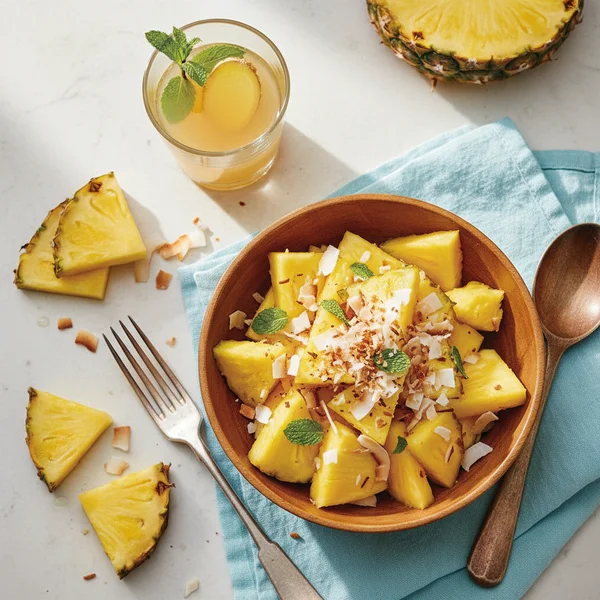
Start with one cup of high-quality, chilled pineapple juice. If possible, look for “not from concentrate” varieties to ensure you are getting the maximum amount of live enzymes like bromelain. Alternatively, you can use one cup of fresh pineapple chunks. If you use fresh fruit, adding a splash of coconut water can further enhance the hydrating properties of the drink, as coconut water is famous for its high electrolyte content.
Step 2: Add Frozen Elements
To achieve a thick, satisfying consistency that feels soothing on a sore throat or settled stomach, add half a cup of frozen mango or a frozen banana to your blender. The frozen fruit acts as a natural cooling agent, making the drink incredibly refreshing without diluting the flavor. The extra potassium from a banana is particularly helpful for nerve function and muscle recovery after a night of dehydration.
Step 3: Boost the Anti-Inflammatory Power
To double down on the anti-nausea benefits, add a small thumbnail-sized piece of fresh ginger to the blender. Ginger works perfectly with the tropical flavor of pineapple and is globally recognized for its ability to calm the digestive tract and reduce feelings of motion sickness or morning-after nausea.
Step 4: Blend Until Smooth
Secure the lid on your blender and pulse on high until the mixture is completely smooth. If the consistency is too thick, add a few more splashes of pineapple juice or a handful of ice. The goal is a drink that is easy to sip but cold enough to provide a refreshing jolt to your senses. Using a high-speed blender ensures that any fiber from the fruit is finely processed, making it easier for your compromised digestive system to absorb the nutrients.
Step 5: Garnish and Serve
Pour the mixture into a tall, chilled glass. For a final touch, add a garnish of fresh mint or a lime wedge. Mint contains menthol, which can help relax the stomach muscles and clear the sinuses. Sip the drink slowly; chugging any liquid too fast during a hangover can lead to further stomach upset. The combination of cold temperature, bright acidity, and natural sweetness makes this a superior choice for early-morning recovery.
Important Considerations for Using Pineapple Juice
While pineapple juice is a powerhouse of nutrients, there are some important considerations to keep in mind to ensure it doesn’t backfire. The primary concern is the acidity of the juice. Pineapple is naturally high in citric and malic acids. If your hangover is characterized by severe acid reflux or a highly sensitive stomach lining, drinking a large amount of acidic juice on an empty stomach might cause temporary discomfort or heartburn.
To avoid this, consider diluting the juice with water or mixing it with a base like Greek yogurt or a milk alternative in your blender. This creates a “smoothie” consistency that is much gentler on the stomach. Additionally, always try to consume a small amount of bland food—like toast or crackers—alongside your juice to provide a buffer for the acid.
Another factor is the sugar content. While the fructose in pineapple juice helps with alcohol metabolism, excessive sugar can lead to a spike and subsequent drop in blood glucose levels. If you are reaching for canned pineapple juice, check the label to ensure there is no “added sugar” or “high fructose corn syrup.” Stick to 100% pure juice to get the medicinal benefits without the processed additives that could potentially worsen a headache.
Finally, remember that pineapple juice is a supplement to recovery, not a magic wand. You must still prioritize water consumption throughout the day. A good rule of thumb is to follow your pineapple recovery drink with at least two full glasses of plain water. This ensures that the electrolytes provided by the juice have enough fluid to properly circulate through your system and flush out residual toxins.
- Temperature Matters: Always serve your recovery drink chilled or over ice. The cold temperature helps to constrict blood vessels and can provide mild relief for a pounding headache.
- The Freshness Factor: Fresh-pressed pineapple juice contains significantly more active bromelain than pasteurized or canned versions, as heat treatment can degrade enzymes.
- Add a Pinch of Salt: Adding a tiny pinch of sea salt to your pineapple juice can help your body retain the hydrating fluids more effectively.
- Pre-Hydration: If you remember, drinking a small glass of pineapple juice before going to sleep can jumpstart the recovery process before the hangover even begins.
Conclusion
In summary, pineapple juice is an excellent beverage choice for anyone looking to mitigate the symptoms of a hangover. Its unique combination of the anti-inflammatory enzyme bromelain, energy-boosting fructose, and essential electrolytes makes it far more effective than water alone. By preparing a refreshing, chilled blend in a blender with frozen fruit and a mint garnish, you can create a hydrating tonic that addresses nausea, inflammation, and fatigue simultaneously. While you should be mindful of its acidity, incorporating pineapple juice into your recovery routine is a delicious and scientifically sound way to feel better faster.
❓ Frequently Asked Questions
1
How long does fresh pineapple juice last in fridge?
Freshly squeezed or blended pineapple juice typically stays fresh for about 2 to 3 days when stored in an airtight container. For the best hangover recovery benefits, drink it as soon as possible to ensure you are getting the highest concentration of active enzymes and vitamins.
2
Can I make this recovery drink ahead of time?
Yes, you can blend the juice the night before and store it in the refrigerator. This is a great strategy for hangover recovery so you don’t have to use a loud blender while having a headache. Just give it a quick stir or shake before drinking.
3
What can I substitute for fresh pineapple?
If you don’t have fresh fruit, 100% pure canned pineapple juice is a good substitute. While it may have slightly lower enzyme levels due to pasteurization, it still provides the essential hydration, vitamin C, and natural sugars needed to help your body process toxins and regain lost energy.
4
How do I know when the drink is done?
If you are using a blender, the drink is done once it reaches a smooth, consistent texture without large fruit chunks. It should look bright yellow and frothy. If it is too thick, simply add a bit more coconut water or plain water until it reaches your preference.
5
Can I freeze pineapple juice?
Yes, you can freeze pineapple juice in ice cube trays. These frozen cubes are perfect for adding to water or blending into a slushy later. Freezing is an excellent way to preserve the juice if you have leftovers, and the cold temperature is very soothing during recovery.