Butternut Squash Soup No Dairy: Perfect & Creamy
Butternut squash soup is the quintessential autumn dish, offering a vibrant hue and a naturally sweet, nutty flavor that resonates with the season. For many home cooks, the challenge lies in creating a rich, velvety consistency without relying on heavy cream or butter. Mastering butternut squash soup no dairy is not just about substitution; it is about understanding how to coax the most flavor out of simple, whole ingredients. In this guide, you will discover the science behind achieving a luxurious mouthfeel using plant-based alternatives, the benefits of various cooking methods from the stovetop to the slow cooker, and how to balance savory and sweet notes for a perfectly rounded meal. Whether you are following a vegan diet or simply looking for a lighter version of this classic comfort food, you are about to learn how to elevate this humble gourd into a gourmet experience.
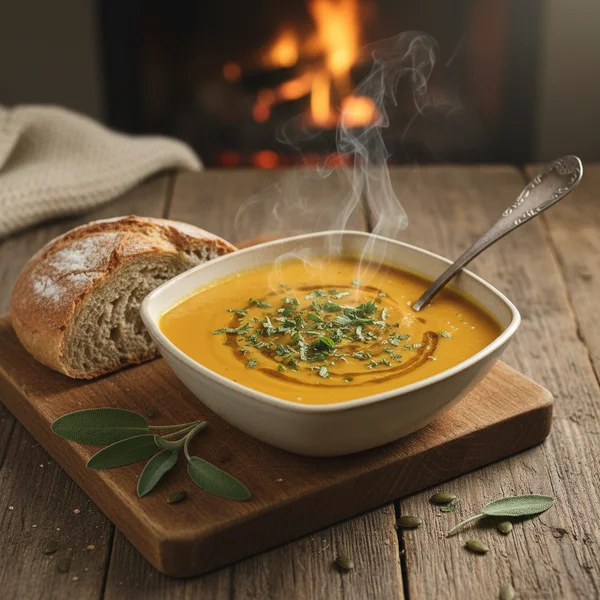
You can achieve an incredibly creamy butternut squash soup without dairy by utilizing the squash’s natural starches, high-quality vegetable stock, and blending techniques that incorporate healthy fats like coconut milk or cashews.
The Science of Creamy Textures Without Dairy
The primary concern when removing dairy from a soup recipe is the loss of “body” and that coating sensation on the palate. However, butternut squash is uniquely suited for a dairy-free transformation because of its high starch content and fibrous structure. When these fibers are broken down through simmering and subsequent high-speed blending, they create a suspension that mimics the viscosity of heavy cream.
To enhance this natural creaminess, many chefs turn to “secret” plant-based ingredients. Unsweetened coconut milk is a popular choice, providing a silky finish and a subtle sweetness that complements the squash. For those who want to avoid a coconut flavor profile, soaked cashews are a transformative addition. When blended into the soup, cashews emulsify completely, adding a rich, buttery depth without any lactose. Another excellent technique involves adding a starchy potato to the pot. As the potato breaks down during the simmering process, it releases extra amylose, which thickens the liquid and provides a hearty, velvety base.
The choice of liquid also plays a vital role. Using a high-quality vegetable stock instead of plain water ensures that the liquid component has enough sodium and aromatic depth to support the squash’s flavor. If you find the soup too thin, the solution isn’t always to add more solids; sometimes, it is about reducing the liquid through a longer simmering period, allowing the water to evaporate while the flavors and starches concentrate.
Choosing Your Cooking Method: One-Pot, Instant Pot, or Slow Cooker
The versatility of butternut squash soup no dairy is one of its greatest strengths, as it can be adapted to suit any schedule or kitchen setup. Each method offers distinct advantages in terms of flavor development and convenience.
The One-Pot Stovetop Method
This is the traditional approach, favored for the control it offers. By using a single large heavy-bottomed pot, you can first sauté your aromatics—like onions, leeks, and garlic—until they are translucent and fragrant. This step is crucial for building a flavor foundation. Once the squash and stock are added, the gentle simmering allows you to monitor the tenderness of the vegetables. The one-pot method is ideal for those who enjoy the process of cooking and want to adjust seasonings as the soup develops.
The Instant Pot (Pressure Cooker)
For the time-pressed cook, the Instant Pot is a game-changer. What usually takes forty-five minutes of simmering can be achieved in about ten minutes under high pressure. The intense environment of the pressure cooker forces the flavors of the spices and the stock deep into the squash cubes. This method is particularly effective at softening even the toughest winter squash, ensuring a perfectly smooth puree every time.
The Slow Cooker
If you prefer a “set it and forget it” approach, the slow cooker is the ultimate tool for creating comfort food. By cooking the squash on low for six to eight hours, the sugars in the vegetable undergo a slow caramelization, resulting in a deeper, more complex flavor profile. This method is excellent for busy weekdays; you can prep your ingredients in the morning and return home to a house filled with the aroma of a hearty, warm meal.
| Method | Cook Time | Best For… |
|---|---|---|
| One-Pot Stovetop | 30-45 Mins | Flavor control and traditional technique |
| Instant Pot | 10-15 Mins | Quick weeknight meals and speed |
| Slow Cooker | 6-8 Hours | Deep caramelization and convenience |
Building a Robust Flavor Profile
A common pitfall with butternut squash soup is that it can sometimes end up tasting one-dimensional or overly sweet. To prevent this, you must balance the squash’s natural sugars with acidity, salt, and heat. Start by selecting the right aromatics. While yellow onions are a standard base, using shallots or the white parts of leeks can provide a more sophisticated, delicate flavor.
Spices are where you can truly customize your soup. For a classic profile, use warming herbs like sage, thyme, and rosemary. These earthy tones ground the sweetness of the squash and pair beautifully with the vegetable stock. If you want something more adventurous, look toward Eastern influences. A tablespoon of yellow curry powder or a piece of fresh ginger can transform the soup into a vibrant, zesty dish.
Acidity is the “missing ingredient” in many home-cooked soups. A splash of apple cider vinegar or a squeeze of fresh lime juice added right before serving can brighten the entire dish. The acid cuts through the richness of the blended squash and makes the other flavors pop. Finally, don’t underestimate the power of roasting. If you have the time, roasting the squash in the oven before adding it to the simmering pot adds a charred, smoky dimension that raw-simmered squash simply cannot replicate.
Nutritional Benefits of Dairy-Free Butternut Squash Soup
Choosing a butternut squash soup no dairy version isn’t just a win for those with allergies; it is a nutritional powerhouse. Butternut squash is incredibly high in Vitamin A (in the form of beta-carotene), which is essential for eye health and immune function. It also provides a significant amount of Vitamin C and potassium.
By replacing heavy cream with ingredients like vegetable stock or nut milks, you significantly reduce the saturated fat and calorie content of the meal while increasing the fiber intake. Fiber is essential for digestive health and helps you feel full longer, making this soup a great option for weight management. Additionally, when you prepare this soup at home, you have total control over the sodium content—a major advantage over canned versions which are often loaded with salt.
For those following specific dietary patterns, this soup is naturally gluten-free and can easily be made Paleo or Whole30 compliant by ensuring the stock and any added “milks” (like almond or coconut) contain no added sugars or thickeners. It is a dense, nutrient-rich comfort food that supports a healthy lifestyle without sacrificing the indulgence of a warm, creamy bowl of soup.
Expert Tips for the Perfect Batch
To take your soup from good to professional-grade, focus on the texture and the garnish. The most important tip for a dairy-free soup is the blending process. While an immersion blender is convenient for one-pot cooking, a high-speed upright blender will always produce a smoother, more aerated result. If using an upright blender, remember to work in batches and leave the vent open (covered with a towel) to allow steam to escape, preventing a “pressure explosion.”
Another expert secret is the use of “umami” boosters. Even without meat or dairy, you can achieve a savory depth by adding a teaspoon of white miso paste or a splash of tamari to the stock. These fermented ingredients provide a “long” flavor that lingers on the tongue and balances the sweetness of the squash.
Finally, consider the visual appeal. Because dairy-free soups can sometimes look monolithic in color, garnishes are essential. A drizzle of toasted pumpkin seed oil, a sprinkle of roasted pepitas, or a few fried sage leaves add texture and visual contrast. These small additions provide a crunch that breaks up the creaminess, making each bite more interesting.
- Always sauté your spices in oil for 30 seconds before adding the stock to “bloom” their oils and maximize fragrance.
- If the soup feels too sweet, add a pinch of smoked paprika to introduce a savory, earthy counterpoint.
- Save your squash seeds! You can roast them with a bit of salt and use them as a sustainable, zero-waste garnish for added crunch.
Conclusion
Creating a butternut squash soup no dairy recipe is a rewarding culinary endeavor that proves you don’t need cream to achieve luxury. By focusing on the natural starches of the squash, utilizing versatile cooking methods like the instant pot or slow cooker, and building layers of flavor with quality stock and aromatics, you can create a hearty meal that satisfies everyone at the table. This comfort food staple is as nutritious as it is delicious. Next time you find yourself with a fresh butternut squash, skip the dairy and embrace these plant-based techniques for a cleaner, more vibrant bowl of soup.
❓ Frequently Asked Questions
1
How long does butternut squash soup no dairy last in fridge?
This butternut squash soup no dairy stays fresh in an airtight container for up to five days. To maintain quality, let it cool completely before refrigerating. Simply reheat on the stovetop over low heat, adding a splash of stock if the texture has thickened too much during storage.


2
Can I make butternut squash soup no dairy ahead of time?
Absolutely, this is an excellent make-ahead meal. Preparing it a day in advance allows the spices and roasted squash flavors to meld together. It reheats perfectly without losing its creamy consistency, making it ideal for busy weeknights or holiday meal planning and prep for a crowd.
3
What can I substitute for vegetable stock?
While vegetable stock is preferred for a vegan version, you can use chicken stock for a non-vegan but dairy-free option. In a pinch, water with extra salt and aromatics like carrots and celery will work, though the final flavor profile may be slightly less robust.
4
How do I know when butternut squash soup no dairy is done?
The soup is ready for blending once the squash is fork-tender and the liquid has reduced slightly. After simmering for about twenty minutes, the vegetables should easily mash against the side of the pot. Ensure the aromatics are soft and the flavors are well-integrated.
5
Can I freeze butternut squash soup no dairy?
Yes, this soup freezes exceptionally well because it contains no dairy, which often separates when thawed. Store in freezer-safe bags or containers for up to three months. Thaw overnight in the refrigerator before reheating gently on the stove to restore its original smooth and hearty texture.