Sweet Potato Chickpea Burger: Perfect Dessert
The culinary world is currently witnessing a fascinating evolution where the lines between savory dinner staples and indulgent treats are beginning to blur. One of the most surprising entries into the confectionery space is the sweet potato chickpea burger, reimagined as a decadent, plant-forward dessert. While traditionally known as a hearty vegan main course, the natural sugars in sweet potatoes and the neutral, nutty creaminess of chickpeas provide an incredible foundation for a fudge-like dessert patty. In this comprehensive guide, you will discover how these humble ingredients can be transformed into a dessert slider that defies expectations, offering a moist texture and a rich flavor profile that rivals traditional brownies or cakes.
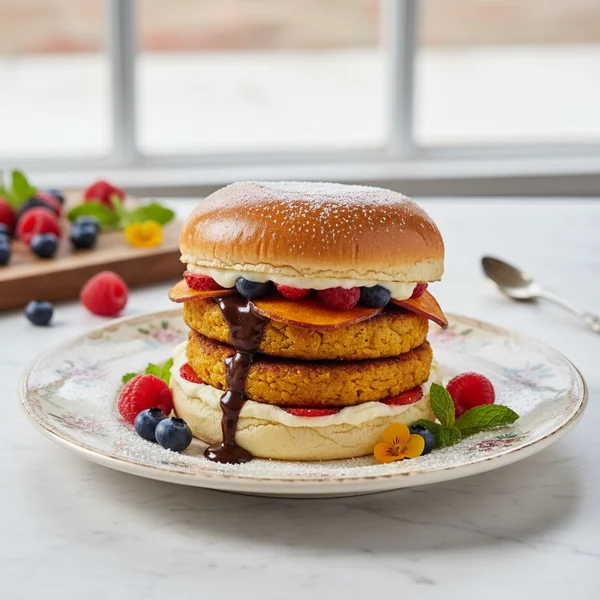
By utilizing the natural starch and moisture of sweet potatoes and chickpeas, you can create a nutrient-dense dessert burger “patty” that maintains a perfect fudgy consistency when combined with traditional baking elements like vanilla extract and high-quality sugar.
The Science of Sweetness: Why Sweet Potato and Chickpea Work
At first glance, the idea of a sweet potato chickpea burger served as a dessert might seem unconventional, but the chemistry behind the ingredients is remarkably sound. Sweet potatoes are naturally high in maltose, a type of sugar that intensifies when the tuber is roasted. This provides a deep, caramel-like base for any sweet application. Chickpeas, on the other hand, offer a unique structural advantage. When mashed or blended, they contribute a dense, smooth crumb that mimics the texture of a traditional blondie. Because chickpeas have a relatively neutral flavor, they act as a blank canvas, readily absorbing the aromatic notes of vanilla extract and the sweetness of added sugar.
To turn these ingredients into a cohesive dessert patty, the ratio of starch to moisture is critical. Unlike a savory burger, which might use breadcrumbs or oats, the dessert version relies on a fine flour—often almond or all-purpose—to provide the necessary binding. This ensures that the patty doesn’t fall apart when grilled or baked. The inclusion of baking powder is also vital here; it provides a slight lift, preventing the patty from becoming overly heavy or gummy. This combination of plant-based protein and fiber results in a treat that is surprisingly satisfying without the sugar crash often associated with traditional pastries.
Furthermore, the moisture content in the sweet potato means you can reduce the amount of butter typically required in a recipe. This creates a lighter mouthfeel while still delivering a rich, indulgent experience. When these patties are paired with the right sweet “condiments,” the sweet potato chickpea burger becomes a sophisticated centerpiece for any dessert spread, appealing to both health-conscious eaters and those looking for a novel culinary adventure.
Building the Perfect Dessert Patty: Essential Ingredients
Creating a dessert-style sweet potato chickpea burger requires a careful balance of pantry staples and fresh produce. The process begins with roasting the sweet potatoes until they are tender and caramelized. Boiling is discouraged, as it introduces too much water, which can ruin the structural integrity of the dessert. Once roasted, the potatoes are mashed with cooked chickpeas. To transform this mixture into a sweet treat, you must introduce sweetening agents and aromatic enhancers. A generous amount of granulated sugar or maple syrup is essential to bridge the gap between a side dish and a dessert.
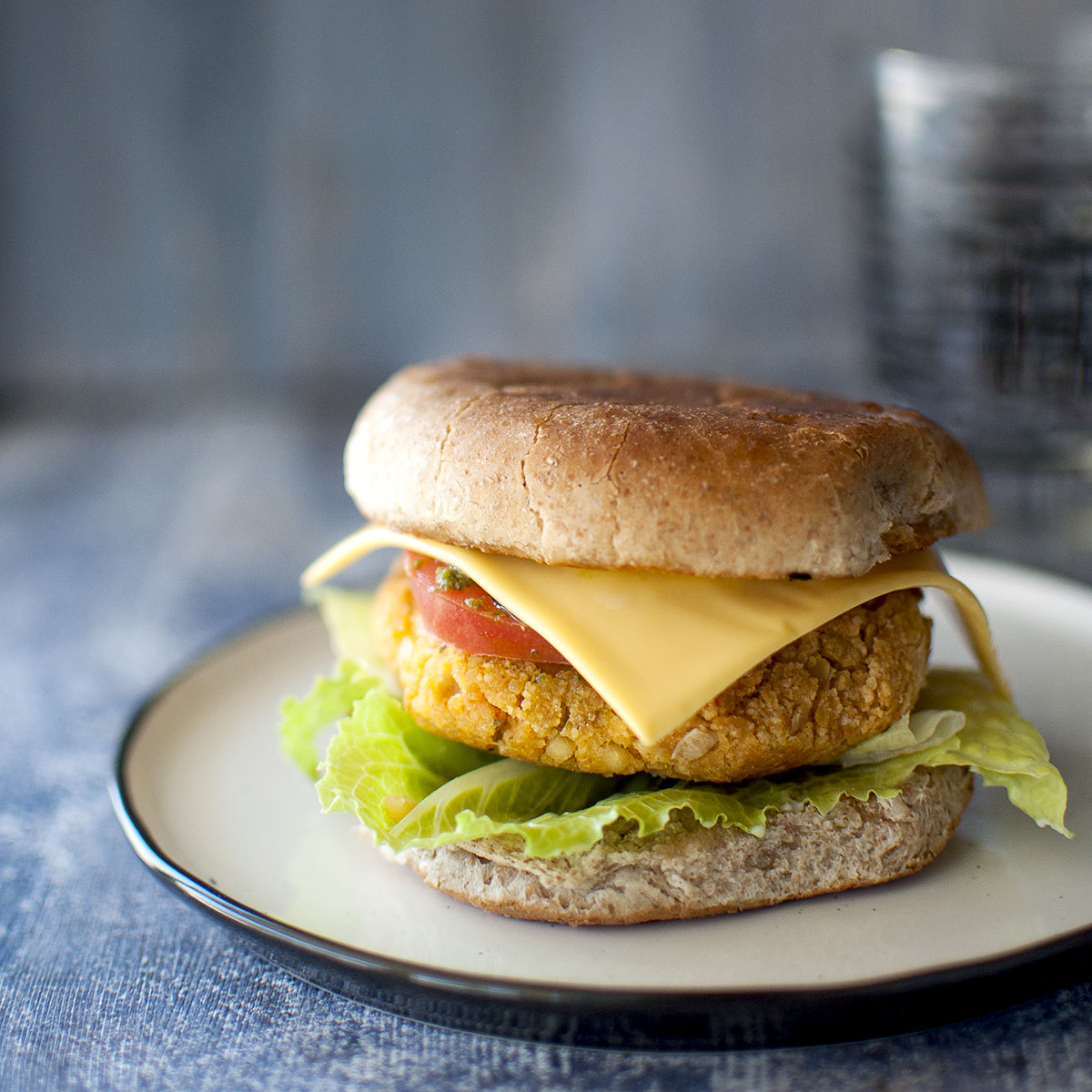
The structural elements come next. To ensure the patty has the correct “bite,” a small amount of flour is folded into the mash. Depending on your dietary preferences, you can use traditional wheat flour or a gluten-free alternative like oat flour. To ensure the patty isn’t too dense, a teaspoon of baking powder is added to create tiny air pockets during the cooking process. Flavor depth is achieved by adding high-quality vanilla extract, which complements the earthiness of the chickpeas and the sweetness of the potato perfectly.
Below is a comparison table of the key differences between a savory and a dessert sweet potato chickpea burger patty:
| Component | Savory Burger | Dessert Burger |
|---|---|---|
| Primary Flavoring | Cumin, Garlic, Smoked Paprika | Vanilla Extract, Cinnamon, Nutmeg |
| Sweetener | None (or a touch of honey) | Sugar, Maple Syrup, or Dates |
| Fat Source | Olive Oil or Avocado Oil | Unsalted Butter or Coconut Oil |
| Leavening | None | Baking Powder |
The “Bun” and Toppings: Completing the Sweet Illusion
A burger is only as good as its bun, and for a dessert sweet potato chickpea burger, the “bun” needs to be equally innovative. Instead of a brioche or sesame seed roll, consider using sliced glazed donuts, thick slices of toasted pound cake, or even oversized sugar cookies. The goal is to maintain the visual aesthetic of a burger while delivering a sugar-forward experience. To mimic the look of a traditional bun, you can brush the top of your chosen cake or pastry with melted butter and sprinkle it with toasted sesame seeds or sparkling sugar crystals.
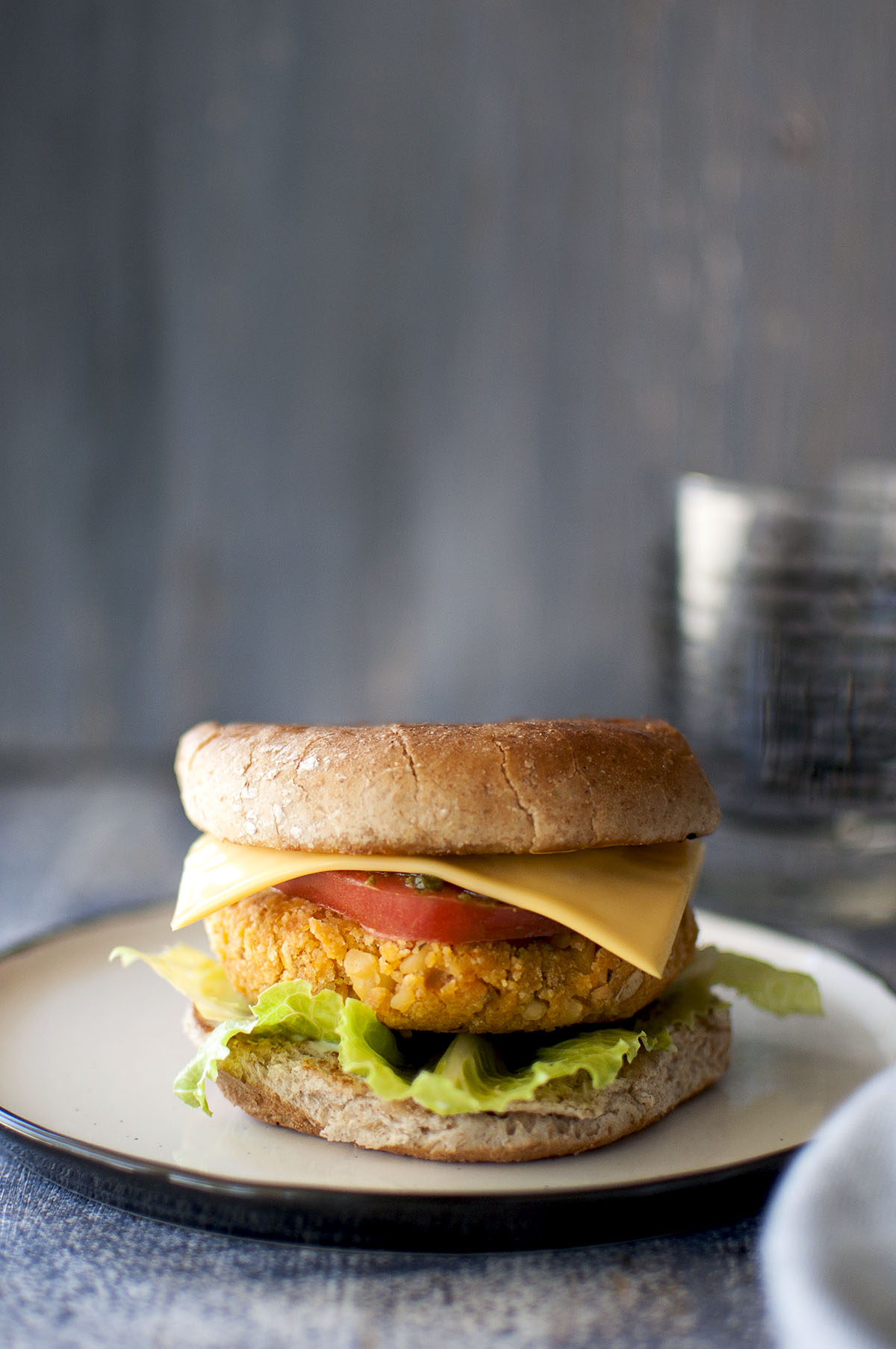
The “condiments” are where you can truly let your creativity shine. Instead of ketchup and mustard, use fruit-based alternatives or cream-based sauces. A strawberry or raspberry coulis makes an excellent substitute for ketchup, providing a bright, acidic contrast to the rich patty. For the “cheese,” a thin slice of mango or a square of yellow-tinted white chocolate frosting can be draped over the warm patty to create the melting effect. The “lettuce” can be simulated with shredded mint leaves or thinly sliced green apples, adding a fresh crunch to the dessert.
No dessert burger would be complete without a creamy element. A thick layer of vanilla icing can serve as the “mayonnaise,” providing a smooth and sweet lubricant for the dry elements of the dish. Alternatively, a dollop of stabilized whipped cream can be used to add lightness and volume. If you want to get truly fancy, a pipeable cream cheese frosting can be used to create intricate designs that mimic the look of classic burger toppings, ensuring that every bite is a perfect harmony of textures and flavors.
Advanced Techniques for Texture and Flavor
To elevate the sweet potato chickpea burger from a home experiment to a professional-grade dessert, one must master the art of texture. One common issue with legume-based desserts is a grainy consistency. To avoid this, it is recommended to process the chickpeas and sweet potatoes in a high-speed blender or food processor until the mixture is completely smooth before folding in the flour and baking powder. This creates a silkier patty that melts in the mouth. Additionally, chilling the patty mixture for at least an hour before forming and baking helps the starches hydrate, resulting in a cleaner shape and a better crust.
Flavor layering is another way to enhance the dessert experience. While vanilla extract is a staple, consider experimenting with almond extract or even a splash of bourbon for a more “adult” dessert profile. If you find the mixture too thick, a tablespoon of melted butter can be incorporated to add fat and silkiness. For those who enjoy a bit of texture, folding in mini chocolate chips or crushed walnuts can provide a delightful surprise within the soft patty. The final touch should always be a decorative one; a drizzle of chocolate icing or a dusting of powdered sugar over the “bun” adds that final layer of visual appeal that makes the dish truly Instagram-worthy.
Another technique involves the “sear.” To mimic the caramelized exterior of a real burger, you can lightly pan-fry the sweet dessert patties in a small amount of butter and sugar. This creates a brûlée-like crust that crackles when bitten into, providing a sophisticated contrast to the soft interior. This step should be done quickly over medium heat to avoid burning the sugars, but the result is a complex flavor profile that elevates the entire dish.
Expert Tips for Success
When working with a sweet potato chickpea burger in a dessert context, temperature management is your best friend. These patties are much softer than their meat-based counterparts, especially when warm. If you try to assemble the dessert burger immediately after baking the patties, they may lose their shape or cause the whipped cream to melt instantly. Always allow your patties to cool to room temperature, or even better, chill them slightly before final assembly. This ensures the frosting stays in place and the structure remains intact.
Furthermore, don’t overlook the importance of salt. Even in a sweet application, a pinch of sea salt in the patty mixture helps to balance the sweetness of the sugar and brings out the floral notes of the vanilla extract. If your patties feel too wet, add the flour one tablespoon at a time; you want a consistency that is thick enough to hold its shape but not so dry that it becomes bready.
- Roast your sweet potatoes whole in their skins to lock in the natural sugars and prevent the flesh from becoming watery.
- Use a piping bag for your icing or frosting to achieve a clean, professional look that mimics the appearance of gourmet burger sauces.
- To prevent the chickpeas from adding too much “bean” flavor, rinse them thoroughly and peel the skins if you have the patience—this results in the smoothest texture possible.
- If the “patty” feels too heavy, replace a portion of the flour with cocoa powder for a chocolate-sweet potato version.
Conclusion
The sweet potato chickpea burger as a dessert is a testament to the versatility of plant-based ingredients. By leaning into the natural creaminess of chickpeas and the earthy sweetness of roasted sweet potatoes, you can create a unique treat that is as nutritious as it is delicious. Whether you are layering it with frosting, topping it with whipped cream, or sandwiching it between cake “buns,” this dessert is sure to be a conversation starter. Embrace the novelty of this dish and experiment with different sugar levels and icing styles to find your perfect sweet slider combination. It is time to rethink what a burger can be and indulge in a plant-forward dessert that truly satisfies.
❓ Frequently Asked Questions
1
How long does sweet potato chickpea burger last in fridge?
These dessert patties will stay fresh for up to five days when stored in an airtight container in the refrigerator. To maintain their texture, place a piece of parchment paper between each layer. You can enjoy them cold or gently reheat them in the oven before serving.
2
Can I make sweet potato chickpea burger ahead of time?
Yes, you can prepare the sweet potato and chickpea mixture up to two days in advance. Store it in the fridge and then add the dry ingredients like flour and baking powder just before you are ready to bake. This ensures the best possible texture and flavor.
3
What can I substitute for butter?
If you prefer a dairy-free option, you can substitute the butter with coconut oil or a high-quality vegan margarine. This will change the flavor profile slightly but will still work well with the vanilla extract and sugar to create a delicious and satisfying sweet potato dessert burger.
4
How do I know when sweet potato chickpea burger is done?
The burgers are done when the edges start to turn golden brown and the centers feel firm to the touch. Since they contain flour and baking powder, they should look slightly puffed. Let them rest on the baking sheet for five minutes to firm up before moving them.
5
Can I freeze sweet potato chickpea burger?
Absolutely! These burgers freeze very well. Wrap each individual patty in plastic wrap and store them in a freezer-safe bag for up to three months. When you are ready to eat, thaw them in the refrigerator overnight and reheat them in a low oven until warmed through.