Can You Juice Broccoli? The Ultimate Healthy Guide
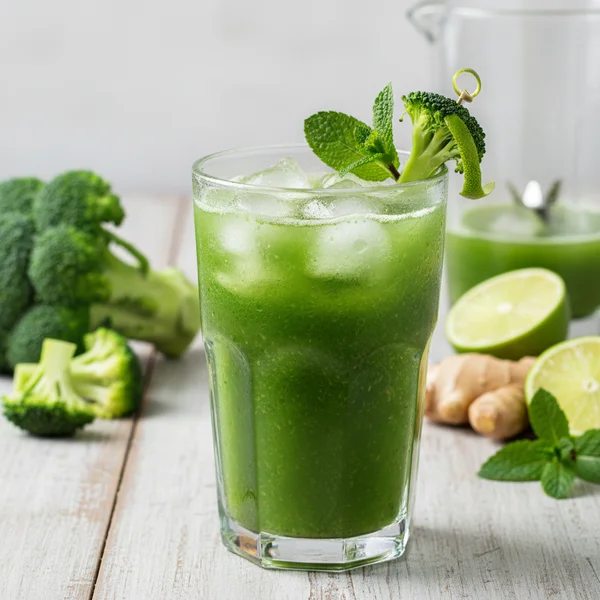
Yes, you can definitely juice broccoli, including the florets, leaves, and the often-discarded stems. Broccoli juice is a nutritional powerhouse, packed with vitamins K, C, and A, as well as potent antioxidants like sulforaphane. While the flavor is strong and earthy, it becomes a refreshing, hydrating beverage when combined with sweeter ingredients like apple, carrot, or lemon. For the best experience, serve it chilled over ice to mellow the cruciferous bite.
Understanding the Benefits and Science of Juicing Broccoli
Juicing broccoli is one of the most efficient ways to ingest a high concentration of nutrients without the digestive labor of breaking down massive amounts of fiber. While we often think of broccoli as a side dish to be steamed or roasted, its raw form contains a delicate array of enzymes and heat-sensitive vitamins that are often lost during the cooking process. When you pass broccoli through a juicer, you are extracting a liquid gold mine of phytonutrients, particularly sulforaphane, a sulfur-rich compound studied for its potential in supporting cellular health and detoxification.
The flavor profile of pure broccoli juice is intensely “green” and slightly bitter, which is why many people prefer to use a blender to incorporate it into a smoothie or mix the juice with other hydrating base liquids. However, the juice itself is surprisingly light when extracted properly. One of the most overlooked parts of the plant is the stalk. The stems of the broccoli contain a significant amount of water and a milder, sweeter flavor than the dark green florets. If you are looking for a more refreshing yield, focus heavily on juicing the stems and save the florets for a more concentrated nutrient boost.
From a biological perspective, broccoli is a member of the cruciferous family. It is exceptionally hydrating because, like many vegetables, it is composed of over 90% water. By juicing it, you remove the insoluble fiber while retaining the soluble minerals. This allows the body to absorb nutrients almost instantly into the bloodstream. Many athletes and health enthusiasts enjoy broccoli juice as a chilled post-workout tonic because it aids in reducing oxidative stress and provides a natural electrolyte boost without the added sugars found in commercial sports drinks.
It is also worth noting the difference between juicing and using a blender. A juicer separates the liquid from the pulp, giving you a thin, potent shot of vitamins. A blender, on the other hand, creates a thicker consistency, often requiring ice or water to reach a drinkable state. If you find the juice too intense, blending it with frozen fruit can mask the vegetable taste while still providing the incredible health benefits of the broccoli.
How to Juice Broccoli: A Step-by-Step Guide
Juicing broccoli requires a bit more preparation than juicing a watery fruit like a watermelon. Because broccoli is dense and fibrous, following a specific process will ensure you get the maximum yield and the best possible flavor. Whether you want a chilled morning elixir or a refreshing afternoon pick-me-up, here is how to do it correctly.

Step 1: Selection and Cleaning
Start with fresh, organic broccoli whenever possible. Look for heads that are tight, firm, and deep green. Avoid any broccoli that has started to turn yellow, as this indicates a loss of nutrients and a much more bitter flavor. Wash the broccoli thoroughly under cold running water. Since broccoli has many nooks and crannies in the florets, soaking it in a bowl of water with a splash of apple cider vinegar for five minutes can help remove any hidden debris or insects.
Step 2: Preparing the Stems and Florets
Do not throw away the stalks! Peel the outer, woody skin of the large stems with a vegetable peeler to reveal the tender, juicy interior. Cut the stems and the florets into pieces that are small enough to fit easily through your juicer’s feed chute. If you are using a blender instead of a juicer, cut them even smaller to ensure a smooth consistency.
Step 3: The Juicing Process
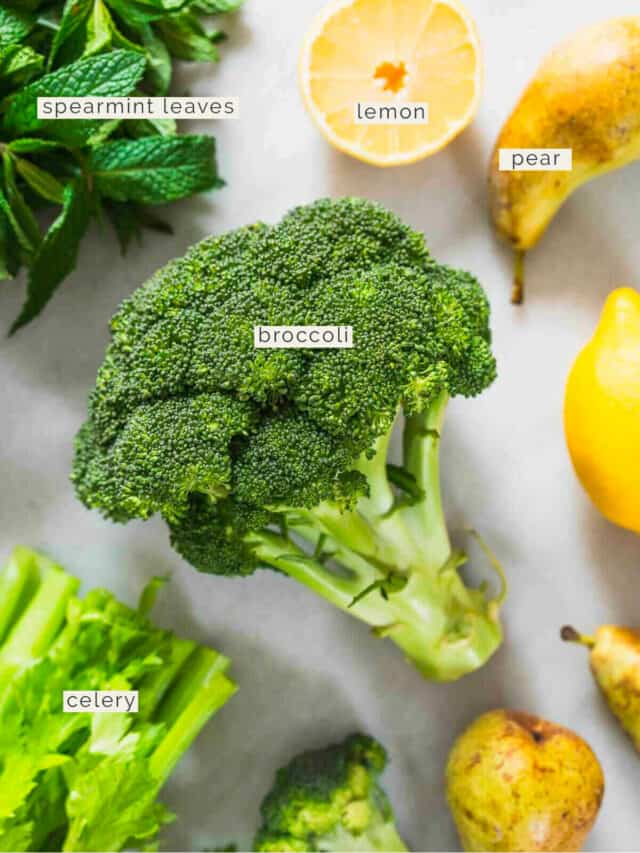
Turn on your juicer and begin feeding the broccoli through slowly. It is often helpful to “sandwich” the broccoli between juicier ingredients. For example, juice half an apple, then the broccoli, then another half of an apple. This helps push the fibrous broccoli pulp through the machine and balances the flavor profile immediately. If you are going for a refreshing finish, adding a slice of ginger or a peeled lemon at this stage works wonders.
Step 4: Incorporating Texture and Temperature
Once the juice is extracted, it is best consumed immediately. If you prefer a chilled drink, stir in a few ice cubes or pour the juice into a glass that has been sitting in the freezer. For those who used a blender, adding frozen pineapple or mango at this stage can turn the juice into a delicious, hydrating slushie.
Step 5: Garnish and Serve
To make the drink more appealing, add a garnish. A sprig of mint or a thin slice of cucumber can enhance the aroma and make the drink feel like a professional spa beverage. Serving it in a chilled glass ensures that the earthy notes of the broccoli remain subtle and crisp.
Important Considerations and Common Mistakes
While broccoli juice is incredibly healthy, there are several factors to keep in mind to ensure you enjoy the experience and avoid common pitfalls. The most common mistake beginners make is juicing too much broccoli at once. Because it is a cruciferous vegetable, it contains compounds that can be tough on the digestive system if consumed in large quantities suddenly. Start with a small amount—perhaps one large stalk—and gradually increase as your body adjusts.
Another consideration is the “goitrogen” content. Cruciferous vegetables contain naturally occurring substances that can interfere with thyroid function if eaten raw in massive quantities. For the average person, a glass of broccoli juice a few times a week is perfectly safe and beneficial. However, if you have pre-existing thyroid conditions, it is wise to consult with a healthcare professional or lightly steam the broccoli before using it in a blender to neutralize some of these compounds.
Flavor management is also key. Broccoli juice is not “sweet.” If you drink it straight, you might be put off by the pungency. Always aim for a ratio of 70% low-sugar vegetables (like broccoli and cucumber) and 30% fruit (like apple or pear) to make it palatable. Also, remember that broccoli juice oxidizes quickly. If left to sit for more than 20 minutes, it can develop a very strong, unpleasant “cabbage” smell. Always drink it fresh or store it in an airtight glass container in the refrigerator for no more than 12 hours.
Lastly, consider the equipment. A masticating (slow) juicer is generally better for broccoli than a centrifugal (fast) juicer. Masticating juicers “chew” the fibers, which is more effective at extracting juice from the tough stems. If you only have a blender, you must strain the mixture through a nut milk bag or a fine-mesh sieve if you want a true juice consistency; otherwise, you are making a thick green smoothie.
- Use the Leaves: If your broccoli comes with leaves attached, juice them! They are often higher in beta-carotene than the florets.
- Freeze the Scraps: Keep a bag of frozen broccoli stems in your freezer. They act as ice and nutrients simultaneously when used in a high-speed blender.
- Citrus is Key: Adding lemon or lime juice helps preserve the bright green color and cuts through the bitterness.
- The Pulp Secret: Don’t throw away the broccoli pulp; it can be added to soups, stews, or even veggie burger patties for extra fiber.
- Proper Garnish: A garnish of fresh parsley can help freshen your breath after drinking sulfur-rich broccoli juice.
Conclusion
In summary, not only can you juice broccoli, but you probably should if you are looking to maximize your intake of essential vitamins and antioxidants. By utilizing the stems, florets, and leaves, you create a hydrating and refreshing beverage that supports overall wellness. Whether you prefer using a dedicated juicer or a high-speed blender with ice, the key to a successful broccoli juice is balance. Pair it with citrus and fruit, serve it chilled, and enjoy the immediate energy boost that comes from this green superfood. Start small, experiment with flavors, and make broccoli juice a staple in your wellness routine.
❓ Frequently Asked Questions
1
How long does broccoli juice last in fridge?
Broccoli juice is best consumed immediately, but it can be stored in an airtight glass container for up to 24 hours. To maintain freshness, fill the container to the top to minimize oxidation. If the color changes significantly or it smells sulfurous, it is best to discard it.
2
Can I make broccoli juice ahead of time?
While you can make it up to a day in advance, the flavor and nutritional profile degrade quickly. If you must prep ahead, add a splash of lemon juice to help preserve the color and nutrients, and store it in the coldest part of your refrigerator until ready to drink.
3
What can I substitute for broccoli?
If you find broccoli too strong, kale, spinach, or bok choy are excellent leafy green substitutes. They offer similar hydrating properties and a boost of chlorophyll. For a milder taste with a similar crunch, try using cucumber or celery as the primary base for your green juice recipe.
4
How do I know when broccoli juice is done?
Since this is a beverage, the process is finished once all produce has passed through the juicer or is fully liquefied in a blender. The juice should be smooth and vibrant green. If using a blender, ensure no large chunks remain before straining it through a fine mesh.
5
Can I freeze broccoli juice?
Yes, you can freeze broccoli juice in ice cube trays for up to three months. These frozen cubes are perfect for adding to smoothies later. Freezing helps lock in many nutrients, though the flavor may be slightly altered once thawed. It is a great way to reduce kitchen waste.