Best Oranges for Juicing: Ultimate Guide
Nothing compares to the vibrant, refreshing taste of a glass of freshly squeezed orange juice to start your morning. While store-bought cartons offer convenience, they often lack the complex aromatic profile and nutritional punch of juice made straight from the fruit. Choosing the best oranges for juicing is the secret to elevating your breakfast experience from ordinary to extraordinary. Not all citrus is created equal; some varieties are prized for their high sugar content, while others offer a deep, ruby-red hue or a seedless convenience. In this guide, we will explore the top-rated orange varieties that provide the highest yields, the most balanced flavors, and the best nutritional profiles for your home juicer.
- Valencia Oranges (The Gold Standard)
- Navel Oranges (Winter Favorite)
- Blood Oranges (Antioxidant Powerhouse)
- Cara Cara Oranges (Low Acid/Sweet)
- Satsuma Mandarins (Easy Juicing)
- Clementines (Kid-Friendly)
- Hamlin Oranges (The Florida Staple)
- Tangerines (Bold and Tart)
- Pineapple Oranges (Aromatic Yield)
- Minneola Tangelos (Zesty Hybrid)
The Complete List of the Best Oranges for Juicing
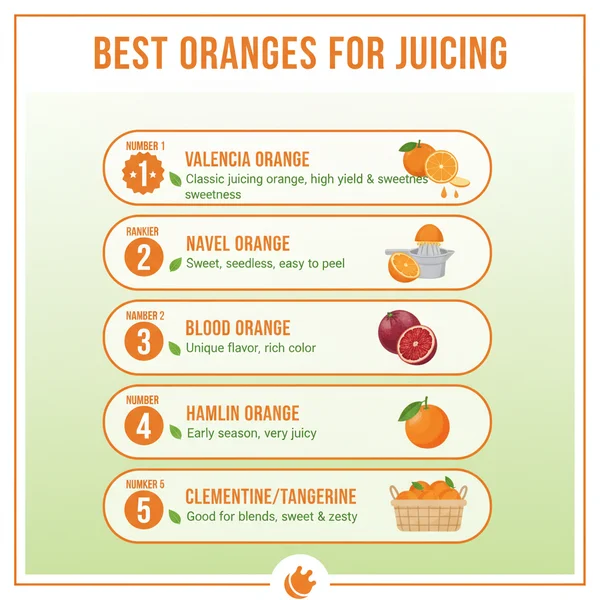
#1: Valencia Oranges
Widely considered the ultimate choice for juicing, Valencia oranges are the gold standard in the industry. These oranges are prized for their incredibly high juice content and thin skins, which make them easy to process through a manual or electric juicer. Unlike other varieties, Valencias contain very little limonin, a compound that can turn juice bitter when exposed to air. This means you can store your juice in the refrigerator for a few days without losing that sweet, fresh profile. Typically available from late spring through summer, they provide a consistently sweet-tart balance that defines the classic orange juice flavor profile we all love.
#2: Navel Oranges
Navel oranges are perhaps the most common variety found in grocery stores during the winter months. They are easily identified by the small, belly-button-like growth at the blossom end. While they are exceptionally sweet and seedless, they are best enjoyed immediately after juicing. This is because Navel oranges contain high levels of limonin in their flesh. If you let the juice sit, it will develop a noticeably bitter aftertaste within 30 minutes. However, for a quick morning glass, their high sugar content and ease of peeling make them a top contender for those who want a fast, delicious start to the day.
#3: Blood Oranges
If you want to add a gourmet flair to your juice, Blood oranges are an exceptional choice. Known for their deep crimson, maroon-colored flesh, these oranges produce a juice that looks more like a pomegranate blend than a standard citrus drink. They offer a unique flavor profile that hints at raspberry and cranberry, providing a complex tartness that pairs well with other fruits. Beyond the taste, they are packed with anthocyanins—powerful antioxidants not found in typical oranges. Using them as the primary ingredients in your morning blend results in a sophisticated beverage that is as healthy as it is visually stunning.
#4: Cara Cara Oranges
The Cara Cara orange is a type of “power orange” that has gained massive popularity in recent years. Often referred to as red navels, they feature a beautiful pinkish-red interior similar to a grapefruit but without the characteristic bitterness. Cara Caras are exceptionally sweet with a very low acid content, making them the perfect choice for individuals who find traditional orange juice too sharp on the stomach. Because they are seedless and yield a generous amount of liquid, they are efficient to work with. They bring a subtle berry-like undertone to your glass, making for a smooth, velvety drinking experience.
#5: Satsuma Mandarins
Satsumas are a variety of mandarin orange that are particularly beloved for their delicate, easy-to-separate segments and incredibly sweet juice. While they are smaller than Valencias or Navels, their skin is so thin and loose that they are a dream to peel and prep. The juice from a Satsuma is remarkably low in acid and very high in sugar, creating a “honey-like” liquid that is perfect for children or those with a sweet tooth. Because they are smaller, you may need more fruit to fill a glass, but the richness of the flavor makes the extra effort of handling more fruit entirely worthwhile.
#6: Clementines
Often sold in “Cuties” or “Halos” mesh bags, Clementines are the smallest citrus on our list but don’t let their size fool you. They are exceptionally juicy for their weight. Because they are seedless and have very thin membranes, the juice extraction is incredibly efficient. When creating a recipe for a mixed citrus juice, Clementines add a bright, floral sweetness that balances out more acidic fruits like lemons or limes. Since they are available for a large portion of the year, they are a reliable fallback when larger juicing oranges like Valencias are out of season.
#7: Hamlin Oranges
Hamlin oranges are a staple of the Florida citrus industry, specifically grown for commercial juice production. If you can find them at a local market, they are a fantastic home-juicing option. Hamlins have a very thin skin and a high juice-to-pulp ratio, meaning you get more liquid per fruit than almost any other variety. The flavor is mild and sweet, lacking the “punch” of a Blood orange but providing a very clean, refreshing finish. They are early-season oranges, usually appearing in late autumn, making them a great way to kick off the citrus season before the winter Navels arrive.
#8: Tangerines
For those who prefer a bold, zingy flavor profile, tangerines are the best oranges for juicing. They possess a much more intense “citrus” flavor than standard oranges, characterized by a sharp tartness and a deep orange hue. Tangerine juice is often used as a secret ingredient in professional juice bars to add complexity to bland blends. While they can be a bit more difficult to juice due to their seeds and smaller size, the resulting liquid is incredibly aromatic. Tangerine juice also holds up very well when mixed into cocktails or culinary sauces, providing a concentrated burst of flavor.
#9: Pineapple Oranges
The Pineapple orange is a heritage variety that gets its name from its distinct, sweet aroma that many claim smells slightly of tropical pineapple. These oranges are highly regarded for their flavor quality, which is often described as the most “orange-y” of all varieties. They have more seeds than a Valencia or Navel, so you will need a juicer with a good strainer. However, the juice yield is impressive. This variety is primarily grown in Florida and is a favorite among those who enjoy a traditional, rich, and full-bodied juice that feels heavy and satisfying on the palate.
#10: Minneola Tangelos
A Tangelo is a cross between a tangerine and a grapefruit (usually a Dancy tangerine and a Duncan grapefruit). The Minneola, often called the “Honeybell” due to its unique bell shape, is famous for being incredibly juicy. In fact, they are so juicy that they can be messy to eat by hand, making them perfect candidates for the juicer. They offer a unique “tangy-sweet” profile that is more complex than a standard orange but lacks the bitterness of a grapefruit. They are highly seasonal, usually appearing in January, so grab them while you can for a limited-time juicing treat.
How to Choose the Best Oranges for Juicing
Selecting the right fruit at the grocery store is the most critical step in your juicing journey. When looking for the best oranges for juicing, don’t be fooled by the exterior color. Some perfectly ripe oranges may have a slightly green tint due to “re-greening,” a natural process where the skin re-absorbs chlorophyll. Instead, you should focus on the weight of the fruit. Pick up several oranges; the heaviest ones for their size will contain the most juice. A heavy orange indicates a high water content and a thin skin, which is exactly what you want for maximum yield.
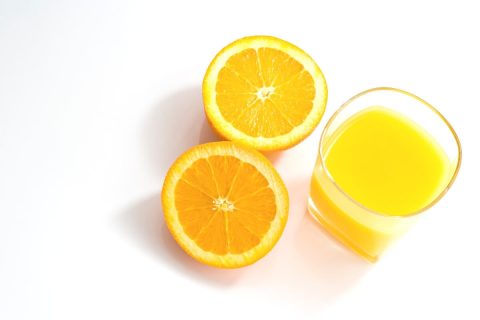
Next, feel the texture of the skin. Ideally, you want oranges with smooth, thin peels. Thick, pebbly skins usually indicate a thicker pith and less juice inside. Give the fruit a gentle squeeze; it should feel firm but have a slight “give” to it. Finally, use your nose. A good juicing orange should have a faint, sweet aroma at the stem end. If the fruit has no scent at all, it likely hasn’t reached its peak sugar content. Following these instructions for selection will ensure your prep time results in the highest possible yield of delicious juice.
- Roll your oranges on the counter with firm pressure before cutting; this breaks the internal membranes and releases more juice.
- Always juice your fruit at room temperature. Cold oranges are firmer and hold onto their liquid more stubbornly.
- To maximize nutrition, include a bit of the pulp in your glass to increase fiber intake and slow down sugar absorption.
- If using Navel oranges, drink the juice within 15-20 minutes to avoid the development of “delayed bitterness” caused by limonin.
Juicing Basics: Nutrition and Preparation
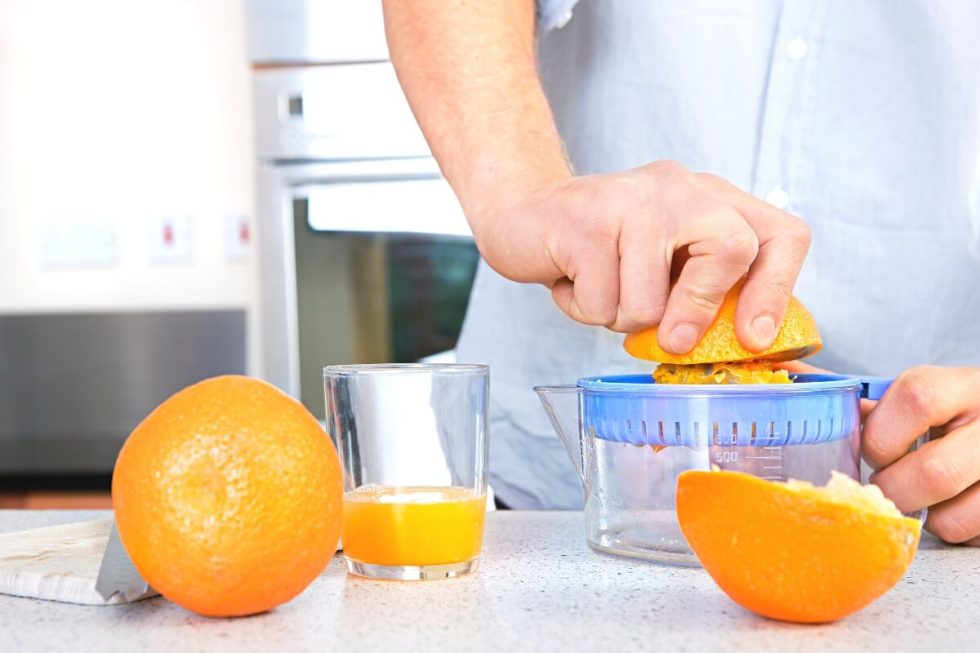
When you are ready to start your juicing recipe, keep in mind that the process is very straightforward. Total prep time is usually less than 10 minutes, including washing and cutting the fruit. There is absolutely no cooking time involved, as heat can destroy the delicate Vitamin C content. A typical serving of fresh orange juice is about 8 ounces (240ml), which usually requires 3 to 4 medium-sized oranges. In terms of nutrition, a single serving contains approximately 110 calories and provides over 100% of your daily recommended intake of Vitamin C. While the ingredients list is just one item—the orange—the freshness ensures you get a bioavailable dose of potassium and folate that bottled versions simply cannot match.
Conclusion
Choosing the best oranges for juicing can transform your daily routine into a luxurious ritual. If you are looking for the most reliable all-around performer, the Valencia orange is your best bet for flavor and shelf-stability. However, for those seeking a unique nutritional boost and stunning color, the Blood orange is a must-try. Regardless of which variety you pick from our list, the key is to choose heavy, thin-skinned fruit and enjoy the juice as fresh as possible. Start with a few Valencias this week and experience the incredible difference that fresh-squeezed citrus can make!
❓ Frequently Asked Questions
1
How long does fresh orange juice last in fridge?
Freshly squeezed orange juice typically lasts for about 2 to 3 days in the refrigerator. To maintain the best quality and flavor, store it in an airtight glass container immediately after juicing. The vitamin C content begins to degrade once exposed to air, so drink it sooner for maximum health benefits.
2
Can I make orange juice ahead of time?
Yes, you can make orange juice ahead of time, but it is best enjoyed within 24 hours. If preparing for a morning meal, juice the oranges the night before and store them in a sealed bottle. Shake well before serving as natural separation will occur without commercial stabilizers or additives.
3
What can I substitute for Valencia oranges?
If Valencia oranges are unavailable, Hamlin or Pineapple oranges are excellent substitutes for a high juice yield. Navel oranges can be used for immediate consumption, but avoid storing their juice as it contains limonin, which can turn the juice bitter after standing for a few hours in the fridge.
4
How do I know when an orange is good for juicing?
Look for oranges that feel heavy for their size, as this indicates a higher juice content. The skin should be thin and smooth rather than thick and bumpy. Give the fruit a gentle squeeze; it should be firm but have a slight give, suggesting it is ripe and juicy.
5
Can I freeze fresh orange juice?
You can definitely freeze fresh orange juice for up to 4 months. Use airtight containers or freezer bags, leaving some headspace for expansion. For a convenient addition to recipes or smoothies, freeze the juice in ice cube trays first, then transfer the frozen cubes to a sealed freezer bag.