Chlorophyll in Juices: 5 Best Ways to Boost
Chlorophyll is often referred to as the “green blood” of plants, a powerful pigment responsible for photosynthesis that offers a wealth of benefits for human health. From supporting natural detoxification pathways to boosting energy levels and promoting healthy skin, incorporating more of this nutrient into your daily routine can be transformative. While many people turn to supplements, the most bioavailable way to consume this pigment is through fresh, vibrant juices. Maximizing the green output of your beverages requires more than just tossing a few leaves into a machine; it involves strategic ingredient selection and specific preparation techniques. In this guide, you will learn five effective strategies to elevate the chlorophyll density of your drinks while keeping them delicious and easy to prepare.

To maximize chlorophyll intake, prioritize dark leafy greens like kale and parsley, use a high-speed blender with ice to prevent heat degradation, and incorporate superfood powders like chlorella for a concentrated nutrient boost.
1. Prioritize Dark Leafy Greens and Microgreens
The foundation of any high-chlorophyll juice is the choice of base ingredients. Not all greens are created equal when it comes to pigment density. While romaine lettuce and celery provide excellent volume and are incredibly hydrating, they lack the concentrated chlorophyll found in darker varieties. To truly boost your intake, you must look toward the deep greens.
Kale, collard greens, and Swiss chard are among the top contenders for chlorophyll content. However, these can be quite fibrous. If you are using a centrifugal juicer, you may find that much of the pigment remains trapped in the pulp. To remedy this, try tightly rolling your leafy greens into a “cigar” shape before feeding them into the chute. This increases the resistance and helps the machine extract more of the dark green liquid.
Microgreens and wheatgrass are another elite category. Wheatgrass is perhaps the most famous source of concentrated chlorophyll, often served in small shots because it is so potent. If you find the flavor of wheatgrass too intense, you can blend it with cucumber and a hint of lemon for a more refreshing profile. Microgreens, particularly broccoli or radish sprouts, contain up to 40 times the nutrient density of their mature counterparts, making them an excellent addition to any green beverage.
| Green Variety | Chlorophyll Level | Best Use Case |
|---|---|---|
| Wheatgrass | Very High | Concentrated shots or small additions |
| Spinach | Moderate-High | Mild base for beginner juices |
| Parsley | High | Adding “zing” and deodorizing benefits |
| Kale | High | Filling, nutrient-dense main ingredient |
2. Utilize a High-Speed Blender and Nut Milk Bag
While traditional juicers are convenient, they often leave behind a significant amount of chlorophyll in the discarded pulp. One of the most effective ways to ensure you are getting every milligram of pigment is to use a high-speed blender. By blending your greens with a small amount of water or coconut water, you can pulverize the cell walls of the plants more effectively than most juicers.
To keep the drink “juice-like” rather than a thick smoothie, pour the blended mixture through a fine-mesh nut milk bag. Squeezing the bag by hand allows you to extract every drop of green liquid, leaving behind a very dry pulp. This method is particularly effective for herbs like parsley and cilantro, which are often too light for many juicers to process efficiently.
When using a blender, it is crucial to manage temperature. The high-speed blades generate friction, which creates heat. Heat is the enemy of chlorophyll; it can oxidize the nutrients and turn your vibrant green juice into a dull brown liquid. To prevent this, always add a handful of ice to the blender container. This keeps the mixture chilled throughout the processing time, preserving the delicate enzymes and ensuring the final result is crisp and refreshing.
3. Incorporate Algae-Based Superfoods
If you want to take your chlorophyll levels to the absolute maximum, look to the water. Freshwater algae like spirulina and chlorella are the most concentrated sources of chlorophyll on the planet. Chlorella, in particular, contains significantly more chlorophyll per gram than even the darkest leafy greens.
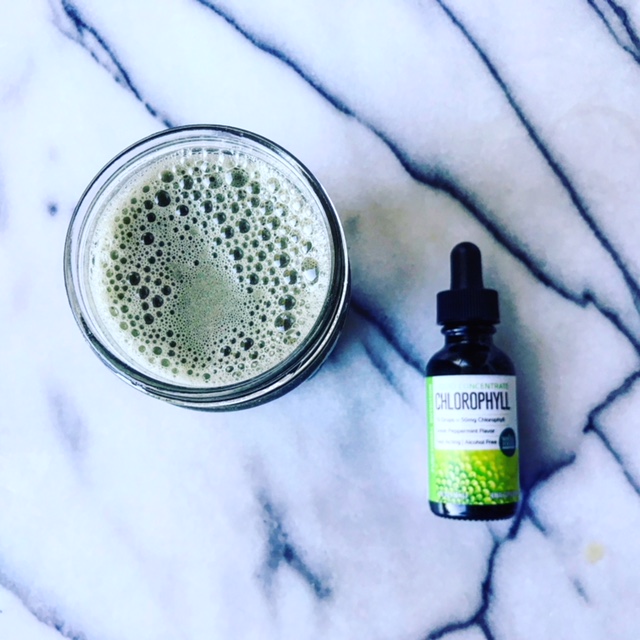
Adding a teaspoon of organic chlorella powder to your juice can double or triple the chlorophyll content instantly. However, these powders have a very distinct, “ocean-like” flavor that can be polarizing. To balance this, pair your algae-boosted juice with citrus fruits like lime or lemon. The acidity of the citrus masks the earthy notes of the algae and also provides Vitamin C, which helps your body absorb the minerals found in the greens.
For those who find powders difficult to mix, you can pre-hydrate the powder in a small amount of warm water to create a slurry before adding it to your juice. This ensures a smooth consistency without any gritty clumps. Alternatively, you can find “frozen” live spirulina cubes in many health food stores, which have a much milder flavor than the dried powder and can be tossed directly into your blender for a cold, nutrient-dense boost.
4. Infuse with Fresh Green Herbs
Many people treat herbs like a garnish, but when it comes to chlorophyll, they should be treated as a primary ingredient. Parsley, cilantro, mint, and even basil are packed with green pigments and essential oils that support digestion. Parsley is especially noteworthy; it is an incredible source of chlorophyll and acts as a natural internal deodorizer.
Integrating herbs into your juice also adds complexity to the flavor profile. A mix of cucumber, green apple, and a large handful of mint creates an incredibly hydrating and refreshing drink that feels more like a cocktail than a health supplement. When juicing herbs, it is best to “sandwich” them between denser ingredients. For example, place your cilantro between two pieces of cucumber. This helps the juicer catch the light leaves and extract the maximum amount of juice.
Don’t forget the stems! In many herbs, particularly parsley and cilantro, the stems are just as rich in chlorophyll as the leaves. As long as they are washed thoroughly, include the entire sprig in your machine. This reduces waste and ensures you are capturing all the available nutrients.
5. Optimize Storage and Temperature Control
Chlorophyll is a highly sensitive molecule. Once it is extracted from the plant cell, it begins to degrade when exposed to light, air, and heat. To get the most benefit, the ideal scenario is to consume your juice immediately after preparation. However, with busy schedules, this isn’t always possible.
If you must store your juice, do so in an airtight glass container, filled to the very top to minimize oxygen exposure. Keeping the juice chilled is non-negotiable. Cold temperatures slow down the enzymatic activity that leads to nutrient loss.
Another clever way to maintain your chlorophyll intake throughout the week is to create “green ice” or frozen juice cubes. If you find yourself with an abundance of greens, juice them all at once and pour the liquid into silicone ice cube trays. Once frozen, transfer the cubes to a freezer bag. You can pop these frozen green cubes into a glass of water or a different juice later in the week. Not only does this keep your drink cold, but as the cubes melt, they release a steady stream of chlorophyll into your beverage, making it easy to stay consistent with your health goals.
Expert Tips for the Ultimate Green Juice
For the best results, always opt for organic produce when making high-chlorophyll juices. Because you are consuming a concentrated form of the plant’s liquid, any pesticides or chemicals present on the skin can also become concentrated in your glass. If organic isn’t an option, a thorough soak in a mixture of water and baking soda can help remove surface residues.
Additionally, consider the “order of operations” when juicing. Start with your most chlorophyll-dense, leafy items and finish with high-water content ingredients like cucumber or celery. This “flushes” the machine, ensuring that the precious green pigment from the leaves is pushed out into your glass rather than sticking to the internal components of the juicer.
- Rotate Your Greens: Don’t stick to just spinach; rotate between mustard greens, dandelion greens, and chard to get a wider spectrum of phytonutrients and avoid alkaloid buildup.
- Add Healthy Fats: Chlorophyll is fat-soluble. Adding a tiny drop of flax oil or eating a few walnuts with your juice can significantly improve absorption.
- Use the Rind: When juicing lemons or limes to flavor your green drinks, include a bit of the zest or rind for extra bioflavonoids.
Increasing your chlorophyll intake through juicing is one of the most effective ways to support your body’s natural vitality. By prioritizing the right dark greens, utilizing efficient extraction methods like blending with ice, and boosting your recipes with algae and fresh herbs, you create a potent health tonic. Remember to keep your beverages chilled and consume them as fresh as possible to capture the full spectrum of benefits. With these five strategies, your daily green juice will become a more powerful, refreshing, and nutrient-dense part of your wellness journey. Start experimenting with these methods today to experience the revitalizing power of plant pigments firsthand.
❓ Frequently Asked Questions
1
How long does chlorophyll juice last in fridge?
Chlorophyll-rich juice is best consumed immediately but can last up to 24 hours in the fridge. Store it in a sealed glass container with a minimal air gap to prevent oxidation. This ensures you maintain the most nutrients and that vibrant green color for a refreshing drink later.
2
Can I make chlorophyll juice ahead of time?
While fresh is best, you can prep your ingredients in advance. Wash and portion your greens so they are ready for the blender. If you must juice ahead, add extra citrus to act as a natural preservative and keep the juice refreshing and hydrating for several hours.
3
What can I substitute for wheatgrass?
If you don’t have wheatgrass, spirulina or chlorella powders are excellent substitutes that are high in chlorophyll. You can also use dark leafy greens like kale or swiss chard. These provide a similar nutritional profile while keeping your juice vibrant, healthy, and incredibly refreshing to drink.
4
How do I know when the juice is done?
Your juice is ready when the texture is completely smooth and the color is a deep, uniform green. If using a blender, ensure there are no large leafy bits remaining. Pouring it through a fine-mesh strainer or nut milk bag will result in a perfectly smooth finish.
5
Can I freeze chlorophyll juice?
Yes, you can freeze green juice into ice cubes. This is a great way to preserve the chlorophyll for later use in smoothies or to keep your fresh juices cold without diluting them. Simply pop a few cubes into your blender for an instant, hydrating boost of nutrients.