Using Juice Pulp as Fertilizer: Ultimate Sustainable Guide
Making the most of your morning routine often begins with a hydrating and refreshing glass of fresh juice. Whether you are using a high-speed blender to pulse through tough greens or a dedicated cold-press juicer, the process inevitably leaves behind a significant amount of fibrous byproduct. While many people reflexively toss this colorful mash into the trash, using juice pulp as fertilizer is a brilliant way to close the loop on food waste and supercharge your garden. This guide explores how the leftovers from your chilled vegetable blends can transform into liquid gold for your soil, providing essential nutrients and improving soil structure without the need for synthetic chemicals.
Juice pulp is a nutrient-dense organic material that enhances soil aeration, moisture retention, and microbial activity when used correctly as a garden amendment or compost booster.
The Nutritional Composition of Juice Pulp
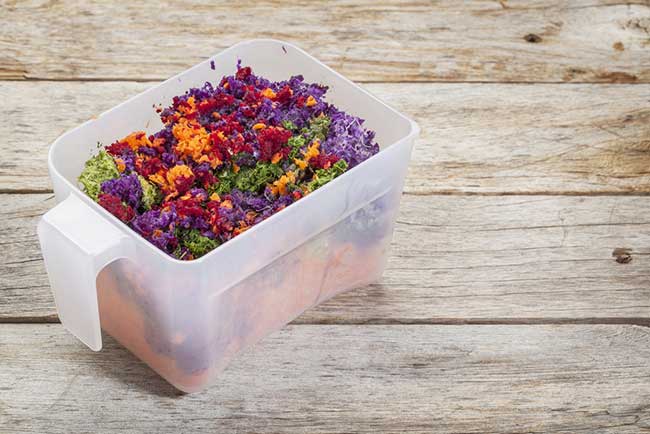
When you extract the liquid from fruits and vegetables to create a refreshing beverage, you are primarily removing the water and soluble vitamins. What remains in the blender or juicer basket is a concentrated mass of insoluble fiber, including cellulose, hemicellulose, and lignin. While humans cannot digest these fibers easily, they are the primary food source for the beneficial microbes and fungi living in your garden soil.
Juice pulp contains residual trace minerals and macronutrients that vary depending on your ingredients. For instance, carrot and beet pulp are high in potassium and carbon, while leafy green pulp from kale or spinach is rich in nitrogen. When these materials are reintroduced to the earth, they break down to provide a slow-release fertilizer. This organic matter also acts as a sponge, helping the soil stay hydrating for plants during the heat of the day. By using juice pulp as fertilizer, you are essentially creating a custom-blended soil conditioner that mimics the natural forest floor’s decomposition cycle.
Methods for Applying Juice Pulp to Your Garden
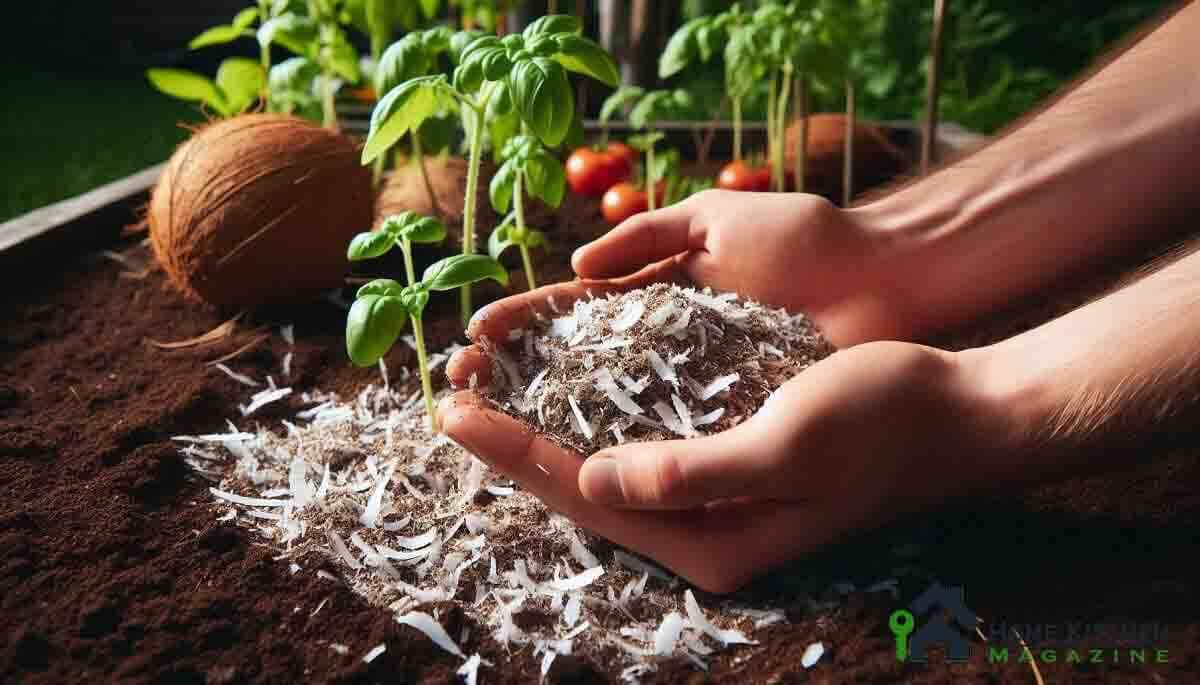
There are several ways to integrate this byproduct into your horticultural practices, depending on how much time you have and the specific needs of your plants. One of the most common methods is “trench composting.” This involves digging a small hole or trench near the root zone of your plants—but not touching the stems—and burying the pulp under several inches of soil. This prevents pests from being attracted to the sugary remnants of fruits and allows earthworms to process the material directly where it is needed most.
Another popular method is creating a “pulp tea.” Similar to how you might steep a chilled herbal tea for yourself, you can soak juice pulp in a bucket of water for 24 to 48 hours. After straining the solids, you are left with a nutrient-rich liquid that can be poured directly onto the soil. This provides an immediate boost to the plants, similar to a liquid garnish of nutrients for the roots. If you find yourself with more pulp than you can use at once, you can keep it frozen in small batches. When you are ready to garden, simply thaw the frozen blocks and mix them into your compost pile or garden beds.
| Method | Best For | Speed of Results |
|---|---|---|
| Direct Burial | Fruit trees and vegetable patches | Medium (Weeks) |
| Compost Supplement | General soil health and worm bins | Slow (Months) |
| Pulp Tea (Liquid) | Potted plants and indoor greenery | Fast (Days) |
| Top Dressing | Mulching and moisture retention | Medium (Weeks) |
Managing Soil pH and Balancing Nutrients
When using juice pulp as fertilizer, it is important to consider the acidity of the materials you are adding. Citrus pulps, often the leftover skins and fibers after making a chilled orange juice or a lemon-based garnish, are highly acidic. While blueberries, azaleas, and rhododendrons thrive in acidic soil, other vegetables like tomatoes or cucumbers prefer a more neutral environment.
To prevent the soil from becoming too acidic, you can mix citrus pulp with crushed eggshells, which provide calcium and help neutralize the pH. Additionally, if your pulp is primarily from sweet fruits, it can attract ants or fruit flies if left on the surface. Always ensure that the pulp is well-incorporated into the soil or covered with a layer of mulch or ice-cold water to help it settle. Balancing the “green” (nitrogen-rich pulp) with “brown” (carbon-rich dry leaves or straw) is the secret to a successful organic fertilization strategy. This balance ensures that the decomposition process happens aerobically, preventing the sour smell often associated with rotting food.
Enhancing Microbial Life and Soil Structure
Soil is not just dirt; it is a living ecosystem. By adding the pulp left over from your blender sessions, you are providing a feast for beneficial bacteria and mycorrhizal fungi. These organisms break down the complex carbohydrates in the pulp, turning them into forms that plant roots can easily absorb. This biological activity also improves the “tilth” or structure of the soil. Heavy clay soils become more porous, while sandy soils gain the ability to hold onto water, keeping the garden hydrating and healthy even during dry spells.
Furthermore, the addition of organic pulp encourages earthworm populations. Earthworms are nature’s tillers; as they move through the soil to consume the pulp, they create tunnels that allow oxygen to reach plant roots. This aeration is vital for root respiration and prevents the soil from becoming compacted. Instead of using chemical fertilizers that can sometimes harm these beneficial organisms, using juice pulp as fertilizer supports the entire food web of your garden, leading to more resilient and productive plants.
Expert Tips for Success
To maximize the benefits of your juice leftovers, consider the consistency of the material. Pulp that has been processed through a high-power blender is often finer and breaks down more quickly than the coarse fibers from a centrifugal juicer. If you are making a large batch of refreshing summer drinks for a party, you may have a surplus of pulp. In this case, spread the pulp thinly over a tray and let it dry slightly before adding it to your garden to prevent it from clumping into an anaerobic mat.
Experts also recommend avoiding pulp that contains large amounts of ginger or hot peppers if you are using it in a worm bin (vermicompost). While these are hydrating and healthy for humans, they can be irritating to the sensitive skin of worms. For general garden beds, however, these spicy remnants act as a natural deterrent for certain soil-dwelling pests. Always aim for a diverse mix of vegetable and fruit pulps to ensure a broad spectrum of micronutrients are being returned to the earth.
Pro Tips
- Freeze for Later: If you don’t have time to garden immediately, store your pulp in the frozen section of your refrigerator in silicone molds. These “pulp cubes” can be dropped directly into planting holes later.
- The Blender Trick: If your pulp is very chunky, give it a quick pulse in the blender with some water to create a slurry. This “liquid compost” penetrates the soil much faster than dry clumps.
- Citrus Caution: Use citrus garnish and pulp sparingly around young seedlings, as the essential oils can sometimes inhibit early root growth.
Conclusion
Transitioning from a refreshing morning juice to a thriving garden is a seamless process when you understand the value of your kitchen scraps. Using juice pulp as fertilizer is an environmentally conscious choice that reduces landfill waste while providing your plants with a steady stream of organic nutrition. By burying your pulp, creating liquid teas, or enhancing your compost pile, you ensure that your garden remains as hydrating and vibrant as the juices you enjoy. Start saving those blender leftovers today and watch your garden flourish with natural, home-grown vitality.
❓ Frequently Asked Questions
1
How long does juice pulp fertilizer last in the soil?
It typically breaks down within 2 to 4 weeks depending on the temperature and moisture levels. In a healthy compost environment, microorganisms and worms will process the fiber quickly, turning it into rich, usable nutrients for your plants’ root systems and improving the overall soil structure.
2
Can I make this fertilizer ahead of time?
Yes, you can collect and freeze pulp until you have enough to treat your whole garden. Alternatively, dehydrate the pulp in a low oven to create a shelf-stable powder that can be sprinkled onto soil whenever your indoor or outdoor plants need a refreshing nutrient boost.
3
What can I substitute for juice pulp?
If you don’t have fruit pulp, vegetable scraps from your blender or coffee grounds are excellent alternatives. Both provide organic matter and nitrogen. For a hydrating soil treatment, ensure the scraps are finely chopped so they integrate seamlessly without attracting unwanted garden pests or creating mold issues.
4
How do I know when the soil is ready?
You will notice improved soil structure and more vibrant foliage on your plants within a few weeks. Healthy plants will appear more hydrating and resilient. If the soil smells sour, you may have added too much at once; simply turn the soil to introduce oxygen and speed decomposition.
5
Can I freeze juice pulp for later use?
Absolutely! Freezing juice pulp is a great way to save up a large amount for a single gardening project. Just thaw it out before mixing it into your garden beds or compost pile to ensure it spreads evenly and begins breaking down in the soil immediately.