How to Store Fresh Juice: Ultimate Storage Guide
To maintain maximum nutrition and flavor, store fresh juice in an airtight glass container, filled to the very top to minimize oxygen exposure, and keep it refrigerated at all times. Most fresh juices last between 24 to 72 hours depending on the extraction method used. For longer storage, you can freeze juice in silicone molds or freezer-safe jars for up to three months. Always keep the juice chilled to preserve its hydrating properties and refreshing taste.
Understanding the Science of Juice Degradation
When you use a juicer or a blender to extract liquid from fruits and vegetables, you are essentially breaking down the cellular walls of the produce. This process releases enzymes and nutrients, but it also exposes the liquid to two primary enemies: heat and oxygen. Oxidation begins the moment the juice meets the air, leading to a loss of nutritional value, a change in color, and a breakdown in flavor. If you want your beverage to remain hydrating and nutrient-dense, understanding these factors is crucial.
The rate of degradation often depends on the type of equipment you use. For instance, a high-speed centrifugal juicer introduces a significant amount of heat and oxygen into the liquid, meaning the juice should ideally be consumed within 24 hours. Conversely, a cold-press or masticating juicer works at a slower speed, preserving more enzymes and allowing for a storage window of up to 72 hours. Even when using a high-powered blender to create a whole-food juice, the friction can create slight warmth, which is why adding a handful of ice during the blending process is a common trick to keep the mixture chilled from the start.
Storage is not just about keeping the juice cold; it is about halting the biological clock of the produce. Light also plays a role in degradation, particularly for green juices rich in chlorophyll. Storing your juice in dark-tinted glass or inside a completely dark refrigerator helps maintain the integrity of these sensitive phytonutrients. By controlling temperature, light, and air, you ensure that every sip remains as refreshing as the moment it was pressed.
The Impact of Juicing Methods on Shelf Life
Not all fresh juices are created equal when it comes to longevity. If you are preparing your morning drink using a blender and then straining it through a nut milk bag, you are introducing a moderate amount of air. This “blender juice” usually holds up well for about 24 to 48 hours. The fiber content left in some blended drinks can also affect how the juice settles; you may notice more separation in these types of drinks compared to those from a dedicated juicer.

Masticating juicers, often called “slow juicers,” are the gold standard for storage. Because they “chew” the produce rather than shredding it with a high-speed blade, the juice remains stable for much longer. If you plan on “batch juicing” for the week, investing in a slow juicer is the most practical choice. Regardless of the method, the goal is always to get the juice into a sealed environment as quickly as possible to lock in the refreshing qualities of the raw ingredients.

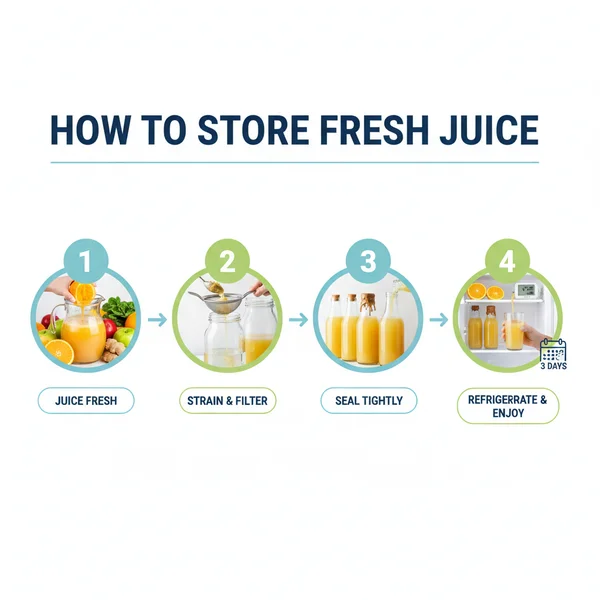
Step-By-Step Guide to Storing Fresh Juice
Following a consistent protocol will ensure your homemade juices stay safe and delicious. Here is the best way to handle your juice from the machine to the fridge:
- Prepare Your Containers: Use glass jars, such as Mason jars or specialized glass bottles. Glass is non-porous and won’t leach chemicals or odors into your hydrating beverage. Ensure they are sterilized and completely dry before use.
- Fill to the Brim: This is the most important step. Fill the container until the juice is almost overflowing. The goal is to leave as little room as possible for air between the liquid and the lid. This significantly slows down the oxidation process.
- Seal Tight: Use an airtight lid. If you are using Mason jars, ensure the rubber seal is intact. Some enthusiasts use a vacuum sealer attachment for jars to remove every last trace of oxygen, which can extend freshness by an extra day.
- Label and Date: Fresh juice can look remarkably similar after a day in the fridge. Label each bottle with the ingredients and the time it was made. This ensures you consume the oldest juices first.
- Immediate Refrigeration: Do not let the juice sit on the counter. The “danger zone” for bacterial growth is between 40°F and 140°F. Move your bottles directly to the coldest part of the refrigerator, usually the back of the bottom shelf, rather than the door.
How to Freeze Juice for Long-Term Storage
If you have a surplus of produce and cannot consume all the juice within three days, freezing is an excellent alternative. While some of the living enzymes may be diminished, the vitamins and minerals remain largely intact. To freeze juice, do not fill glass jars to the top, as the liquid will expand and crack the glass. Instead, leave at least an inch of headspace.
A popular method for freezing is using silicone ice cube trays. Once the juice is frozen into cubes, transfer them to a freezer-safe bag. These frozen cubes are perfect for popping back into a blender to create a refreshing slushie or for adding to a glass of water for a boost of flavor. Frozen juice can last up to three months without significant flavor loss. When you are ready to drink it, thaw the juice in the refrigerator overnight rather than on the counter to keep it chilled and safe.
Important Considerations and Common Mistakes
One common mistake is storing juice in plastic bottles. Plastic can be porous and may carry residual flavors from previous uses. Furthermore, the acidity in many fruit juices (like lemon or pineapple) can cause certain plastics to leach chemicals into your drink. Always opt for glass or high-quality stainless steel when possible.
Another consideration is the ingredients themselves. Juices made primarily of citrus fruits (lemons, limes, oranges) tend to last slightly longer because the high acidity acts as a natural preservative. On the other hand, juices containing leafy greens, cabbage, or cucumbers tend to oxidize much faster and can develop an “off” smell if kept longer than 48 hours. If you are making a blend, adding a squeeze of lemon or lime can help lower the pH level and extend the vibrancy of the drink.
Separation is a natural occurrence in fresh juice. Unlike store-bought versions, homemade juice doesn’t contain emulsifiers or stabilizers. If you see layers in your chilled jar, don’t worry—it hasn’t necessarily gone bad. Simply give it a gentle shake before opening. However, if the juice appears fizzy, has a sour “fermented” smell, or the lid of the jar is bulging, these are signs of bacterial activity, and the juice should be discarded immediately.
- Use Citrus as a Preservative: Add half a lemon or lime to every batch; the vitamin C and acidity help prevent browning and keep the juice refreshing.
- The Ice Trick: If your blender or juicer runs hot, pre-chill your produce in the fridge or add a bit of ice to the process to keep the juice temperature low.
- Minimize Garnish: If you plan to store your juice, wait until you are ready to serve it before adding any garnish like mint leaves or ginger slices, as these can alter the flavor profile during storage.
- Avoid the Door: Never store your fresh juice in the refrigerator door, as the temperature fluctuates every time the door opens. Keep it in the main compartment.
Conclusion
Storing fresh juice correctly is the key to enjoying a healthy, hydrating lifestyle without having to clean your juicer three times a day. By using airtight glass containers, filling them to the brim to eliminate oxygen, and keeping the liquid consistently chilled, you can enjoy the fruits of your labor for several days. Whether you prefer a quick blender juice or a carefully crafted cold-press blend, following these storage guidelines ensures your beverages remain vibrant and full of life. Remember to trust your senses—if it looks, smells, and tastes refreshing, it’s likely perfect to enjoy.
❓ Frequently Asked Questions
1
How long does fresh juice last in fridge?
Fresh juice generally lasts between 24 and 72 hours. Juice from a centrifugal juicer or blender should be consumed within 24 hours, while juice from a masticating cold-press juicer can stay fresh for up to 3 days if sealed perfectly in an airtight glass container and kept cold.
2
Can I make fresh juice ahead of time?
Yes, you can prepare juice ahead of time, though it is most nutritious when consumed immediately. To maximize shelf life for meal prep, store it in the coldest part of your refrigerator in individual-sized glass bottles. This keeps the drink refreshing and convenient for busy mornings or post-workout recovery.
3
What can I substitute for glass jars?
If glass jars aren’t available, stainless steel water bottles are a great substitute because they are airtight and block light, which helps prevent nutrient degradation. Avoid using plastic containers for long-term storage, as they can leach chemicals and may not provide a sufficient seal to keep the juice hydrating.
4
How do I know when fresh juice is spoiled?
You will know your juice has expired if it develops a sour, vinegary, or fermented smell. Visual cues include significant browning (oxidation), bubbling, or the presence of mold. While some separation is normal and safe, a change in the thickness or a fizzy texture indicates that bacteria have started growing.
5
Can I freeze fresh juice?
Freezing is an excellent way to store juice for up to three months. Use freezer-safe glass or silicone molds, leaving about an inch of headspace for expansion. Thaw the juice in the refrigerator overnight. While the texture might change slightly, it remains a healthy and hydrating option for later use.