Pineapple Juice to Reduce Swelling: Ultimate Guide
To effectively reduce swelling, experts suggest drinking 8 to 12 ounces of fresh pineapple juice daily. This amount provides enough bromelain, a natural enzyme with potent anti-inflammatory properties, to help decrease edema and bruising. For the most hydrating and therapeutic results, use fresh rather than canned juice to ensure the enzymes remain active.
To effectively reduce swelling using pineapple juice, most health experts recommend consuming 8 to 16 ounces (1 to 2 cups) of fresh juice daily. The primary active component is bromelain, a group of enzymes that breakdown proteins and inhibit pro-inflammatory compounds. For the best results, ensure the juice is fresh rather than canned, as the heating process in pasteurization can destroy the heat-sensitive enzymes. Start with smaller amounts to assess your digestive tolerance.

Understanding the Anti-Inflammatory Power of Pineapple Juice
The question of how much pineapple juice to reduce swelling is deeply rooted in the biological properties of the pineapple fruit itself, specifically an enzyme complex known as bromelain. Bromelain is not a single substance but a mixture of protein-digesting enzymes that have been studied extensively for their ability to reduce inflammation, bruising, and edema (fluid retention). When you consume fresh pineapple juice, these enzymes enter the bloodstream and help neutralize various triggers that cause tissue swelling.
Scientific research suggests that bromelain works by reducing the production of prostaglandins, which are lipid-like compounds that signal the body to create inflammation. By inhibiting these signals, pineapple juice helps the body’s lymphatic system move excess fluid out of the tissues more efficiently. This makes it a popular natural remedy for post-surgical recovery, sports injuries, and chronic inflammatory conditions like osteoarthritis.
However, the efficacy of pineapple juice depends heavily on the source. Most commercially available juices in cartons are pasteurized. This high-heat process effectively kills the “live” enzymes that provide the anti-inflammatory benefits. To truly see a reduction in swelling, you must use fresh juice. Using a high-speed blender to process fresh pineapple chunks—including the tough core where bromelain is most concentrated—is the most effective way to extract these benefits.
Additionally, pineapple is a highly hydrating fruit. Proper hydration is essential for reducing swelling because when the body is dehydrated, it tends to hold onto water, leading to puffiness in the extremities. The natural electrolytes found in the juice help maintain a healthy fluid balance, ensuring that your cells remain hydrated without becoming waterlogged. This refreshing beverage serves as a dual-purpose tool: providing specific enzymatic action while supporting overall metabolic hydration.
How to Prepare Pineapple Juice to Maximize Anti-Swelling Benefits
Preparing your own juice at home ensures you get the maximum dose of bromelain and vitamin C. If you are drinking this specifically to combat inflammation, follow these steps to create a potent, refreshing, and hydrating beverage.
1. Select a Ripe Pineapple: Look for a pineapple that is golden-yellow at the base and has a sweet aroma. A ripe fruit contains higher levels of natural sugars and active enzymes.
2. Don’t Discard the Core: This is a common mistake. While the core is fibrous and less sweet, it contains the highest concentration of bromelain. When using a blender, make sure to include the core to ensure you are getting the full medicinal value.
3. Prepare the Fruit: Peel the pineapple and cut it into manageable chunks. If you find the core too tough, slice it into smaller pieces so your blender can process it easily.
4. Blend for Maximum Yield: Place the chunks into a high-powered blender. Add a small amount of filtered water if needed to help the blades move. If you prefer a chilled and frozen consistency, you can use frozen pineapple chunks or add a handful of ice. Blending rather than traditional juicing retains some of the fiber, which helps slow down the absorption of fruit sugars.
5. Temperature Control: Keep the juice chilled. Heat is the enemy of bromelain. If you are making a large batch, store it in a sealed glass container in the refrigerator and consume it within 24 to 48 hours for maximum potency.
6. Enhance the Flavor: For an extra anti-inflammatory kick, add a small piece of fresh ginger or a pinch of turmeric to the blender. These ingredients work synergistically with pineapple to further reduce tissue swelling.
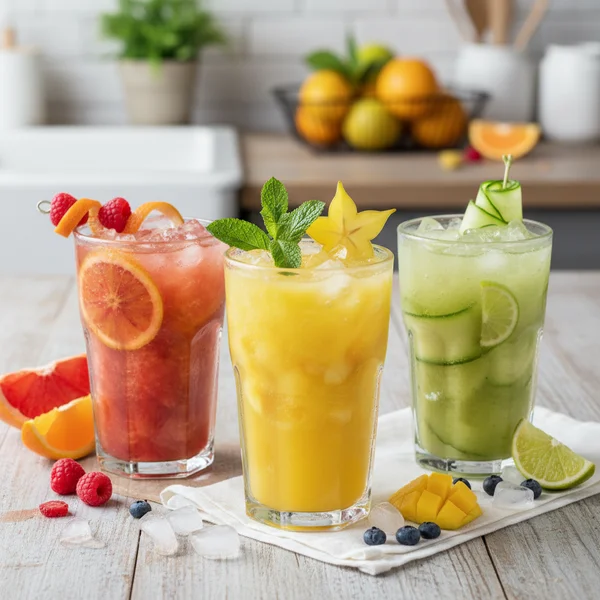
7. Serve and Enjoy: Pour the juice into a glass over ice. To make the experience more refreshing, add a garnish of fresh mint or a slice of lime. The citrus from the lime can also help stabilize the vitamin C content in the juice.
By following this method, you create a whole-food beverage that is significantly more effective than anything found on a grocery store shelf. The goal is to keep the juice as close to its natural state as possible to ensure the enzymes remain biologically active.
Important Considerations and Potential Side Effects
While pineapple juice is a natural and generally safe remedy for swelling, there are several important factors to keep in mind to avoid adverse reactions. The potency of bromelain and the high acidity of the fruit can cause issues for some individuals.
First and foremost is the sugar content. Pineapple is naturally high in fructose. Drinking 16 ounces of juice daily provides a significant amount of sugar, which may not be suitable for individuals with diabetes or those monitoring their glycemic index. To mitigate this, consider diluting the juice with water or blending it with low-sugar vegetables like cucumber or celery, which are also highly hydrating and supportive of kidney function.
Secondly, the acidity of pineapple can be hard on the digestive system and dental enamel. Some people experience “pineapple mouth,” a tingling or burning sensation on the tongue caused by the enzymes starting to break down the proteins in the mouth’s mucous membranes. Rinsing your mouth with plain water after drinking the juice can protect your teeth and gums. If you have a history of gastrointestinal issues like GERD or stomach ulcers, the high acidity may trigger discomfort.
Furthermore, bromelain has mild blood-thinning properties. If you are currently taking anticoagulant medications (blood thinners) or are scheduled for surgery, consult with a medical professional before consuming large quantities of pineapple juice. While it helps reduce post-operative swelling, its effect on blood clotting must be monitored by a doctor.
Finally, ensure you are not allergic to pineapple. An allergy can actually cause more swelling, particularly in the lips, tongue, and throat. If you notice any itching or hives after consumption, stop immediately. Always prioritize a balanced approach; more is not always better. Stick to the recommended 8 to 16 ounces to avoid digestive upset while still reaping the anti-inflammatory rewards.
- Drink your juice on an empty stomach (about 30 minutes before a meal) if your goal is specifically to reduce swelling; this allows the enzymes to enter the bloodstream more directly.
- Combine your juice with a dash of black pepper and turmeric to create a powerful anti-inflammatory “shot.”
- Use a stainless steel or glass straw to bypass your teeth and protect your enamel from the natural acids.
- If the fresh juice is too tart, blend it with a half-cup of coconut water for extra electrolytes and a smoother flavor profile.
Conclusion
In summary, consuming approximately 8 to 16 ounces of fresh pineapple juice daily is an effective natural strategy to reduce swelling and inflammation. The key to success lies in the quality of the juice; always opt for fresh fruit processed in a blender or juicer rather than pasteurized canned versions. By including the nutrient-dense core and keeping the drink chilled, you preserve the vital bromelain enzymes responsible for the healing effects. While this refreshing and hydrating beverage offers numerous health benefits, always be mindful of the sugar and acid content, and consult a professional if you have underlying health conditions. Properly prepared, pineapple juice is a delicious and potent tool for maintaining a healthy, swelling-free body.
- Always use fresh pineapple as heat from canning destroys the beneficial bromelain.
- Include the core of the pineapple where bromelain concentration is highest.
- Drink your juice on an empty stomach for maximum anti-inflammatory absorption.
- Add a pinch of black pepper to help activate the turmeric if used.
- Avoid adding refined sugars which can actually increase bodily inflammation.
Frequently Asked Questions
❓ How long does fresh pineapple juice last in fridge?
Fresh pineapple juice stays good for about 48 to 72 hours when kept in an airtight glass container. However, for maximum anti-inflammatory benefits, it is best to drink it within the first 24 hours before the sensitive bromelain enzymes begin to break down and lose their potency.


❓ Can I make pineapple juice ahead of time?
Yes, you can prepare a batch up to two days in advance. To keep it refreshing and effective, store it in the coldest part of your refrigerator. Give the container a vigorous shake before serving, as the natural fibers and nutrients often settle at the bottom over time.
❓ What can I substitute for fresh pineapple?
If fresh pineapple is unavailable, frozen pineapple chunks are the next best option as they are flash-frozen and retain most enzymes. Avoid canned juice or shelf-stable cartons, as the pasteurization process involves high heat that kills the enzymes needed to target swelling and speed up your recovery.
❓ How do I know when the juice is done?
When using a high-speed blender, the juice is ready once the mixture looks completely smooth and vibrant yellow. If you prefer a thinner, more hydrating consistency, you can pour the liquid through a fine-mesh strainer or nut milk bag to remove the fibrous pulp before serving over ice.
❓ Can I freeze pineapple juice?
You can freeze pineapple juice into ice cubes for up to three months. This is a convenient way to add a therapeutic boost to other drinks. While freezing may slightly reduce enzyme activity over many months, it remains a healthy and cooling option for managing inflammation on hot days.