Leftover Juice Pulp Recipes: Refreshing & Easy
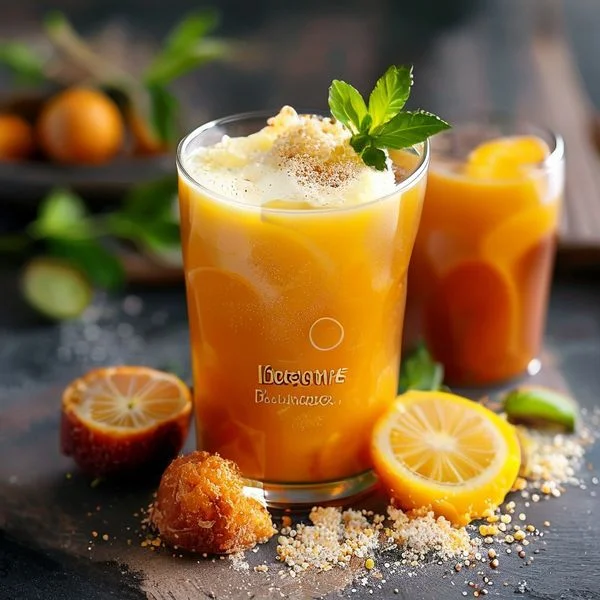
If you are an avid home juicer, you know the bittersweet feeling of watching pounds of nutrient-dense fiber end up in the compost bin after every session. It often feels like a waste of organic produce and hard-earned money to simply discard the heart of your fruits and vegetables. But what if that fibrous remains held the secret to the most refreshing, texture-rich beverage you have ever tasted? This recipe for a Tropical Pulp Revitalizer transforms your leftover juice pulp recipes into a chilled, hydrating masterpiece that bridges the gap between a slushie and a thick smoothie. It is bright, icy, and bursting with hidden nutrients that your body will crave. Whether you have leftover carrot, apple, or green veggie pulp, this recipe is the ultimate way to close the loop on your zero-waste kitchen journey. Anyone looking for a guilt-free, frozen treat will fall in love with this vibrant, eco-friendly drink.
- ⏱️ Prep Time: 5 minutes
- 🍳 Cook Time: 0 minutes
- 👥 Servings: 2 servings
- 📊 Difficulty: Easy
Ingredients for the Tropical Pulp Revitalizer
To create this refreshing beverage, gather the following ingredients. These measurements are designed to balance the density of the pulp with the lightness of a frozen cooler.
- 1 cup fresh leftover juice pulp (preferably carrot, apple, or orange-based)
- 1.5 cups chilled coconut water (for maximum hydrating benefits)
- 1 cup frozen mango chunks or pineapple pieces
- 1 tablespoon fresh lime juice
- 1 teaspoon raw honey or agave nectar (optional, depending on pulp sweetness)
- 2 cups large ice cubes
- Fresh mint leaves for garnish
- A pinch of sea salt to enhance the natural fruit flavors
Step-by-Step Instructions
1. The first step in reclaiming your produce is to inspect your leftover juice pulp. Ensure there are no large seeds or tough stems that your juicer might have missed. If you are using pulp from a citrus-heavy juice, you may want to remove any excessively large pieces of white pith, which can be bitter. Once inspected, measure out one packed cup of the material. If your pulp is very dry from a high-efficiency masticating juicer, you may want to fluff it up slightly with a fork before adding it to your blender container.

2. Pour the chilled coconut water into the base of your high-speed blender. It is a vital technical tip to always add your liquids first when making a thick, frozen beverage. This allows the blades to move freely and creates a vortex that pulls the denser solids downward, preventing the motor from overworking or getting stuck. Coconut water is the ideal base here because it provides essential electrolytes, making this drink incredibly hydrating after a workout or on a sweltering afternoon.
3. Add the cup of leftover juice pulp directly into the coconut water. At this stage, you will also want to add the lime juice and your chosen liquid sweetener. The acidity of the lime is crucial as it “wakes up” the flavors in the pulp, which can sometimes taste muted compared to fresh juice. If you are using a very sweet pulp like apple or pear, you might find that you can skip the honey or agave entirely.
4. Layer in the frozen mango or pineapple chunks. Using frozen fruit instead of room-temperature fruit helps achieve that sought-after slushie consistency without needing an excessive amount of ice, which can sometimes dilute the flavor profile. The pectin and fibers in the mango also act as a natural emulsifier, helping the pulp and water bind together into a smooth, uniform liquid rather than a grainy mixture.
5. Now, add the two cups of ice cubes on top of the fruit. Secure the lid of your blender tightly. Start the machine on its lowest speed setting to begin breaking down the ice and frozen fruit. Slowly increase the speed to high. You should hear the sound of the ice being crushed change from a loud rattling to a consistent, low hum. Blend on high for approximately 45 to 60 seconds until the mixture looks completely homogeneous and vibrant in color.
6. Stop the blender and perform a quick taste test. Depending on the specific vegetables or fruits in your pulp, you may need an extra squeeze of lime or a tiny bit more sweetener. If the mixture feels too thick to pour, add another splash of coconut water and pulse for five seconds to incorporate. You are looking for a thick, chilled texture that holds its shape but is still easily sippable through a straw.
7. Prepare two tall glasses by placing them in the freezer for a few minutes beforehand if you want a truly professional experience. Pour the vibrant mixture into the glasses. Use a spatula to get every last bit of the fiber-rich goodness out of the blender jar. The drink should have a beautiful, opaque color reflecting the ingredients of your original juice.
8. The final touch is the garnish. Clap a few fresh mint leaves between your hands to release their aromatic oils and tuck them into the side of the glass. Add a straw and serve immediately. Because this drink contains a high amount of natural fiber and ice, it is best enjoyed while perfectly chilled to prevent separation.
For the best texture, ensure your blender is powerful enough to pulverize the fibers in the pulp. If you have a standard blender, try blending the pulp and coconut water first until completely smooth before adding the frozen fruit and ice. Also, if your pulp is from a “green juice” (kale, spinach, cucumber), add an extra half-cup of frozen pineapple to help balance the earthy notes with tropical sweetness.
Variations & Substitutions
One of the best things about leftover juice pulp recipes is their versatility. If you prefer a creamier, more filling beverage, you can substitute the coconut water with unsweetened almond milk or Greek yogurt to turn this into a breakfast-style smoothie. For those who enjoy a bit of heat, adding a small slice of fresh ginger or a pinch of cayenne pepper pairs beautifully with carrot-based pulps. If you are following a strictly vegan diet, ensure your sweetener is agave or maple syrup rather than honey. For a “mocktail” vibe, you can use sparkling water instead of coconut water, though you should blend the other ingredients with a small amount of still water first and stir in the bubbles at the very end to preserve the carbonation.
Storage & Make Ahead
This beverage is best served immediately while the ice crystals are intact and the texture is frozen. However, if you find yourself with too much pulp to use at once, you can store the dry pulp in an airtight container in the refrigerator for up to 24 hours. For longer storage, portion the pulp into ice cube trays and freeze them. Once frozen, you can pop the pulp cubes into a freezer bag. When you are ready for a refreshing drink, simply toss the frozen pulp cubes directly into the blender with your liquid and fruit. This is an excellent way to prep your hydrating snacks for the week ahead.
- Calories: 145 kcal
- Fiber: 8g
- Vitamin A: 120% DV (if using carrot pulp)
- Vitamin C: 45% DV
- Potassium: 350mg
❓ Frequently Asked Questions
1
How long does juice pulp last in fridge?
You should use or freeze leftover juice pulp within 24 hours for the best flavor and nutrient density. If kept in an airtight container, it can stay fresh for up to two days, but the texture may soften and the colors might begin to fade over time.
2
Can I make juice pulp smoothies ahead of time?
While you can blend this beverage ahead of time, it is best enjoyed immediately for the most refreshing texture. If you must wait, store it in a sealed jar in the fridge for up to 12 hours and give it a quick shake or stir before drinking.
3
What can I substitute for coconut water?
If you don’t have coconut water, you can use plain filtered water, almond milk, or even green tea. Each option changes the flavor profile slightly, but they all provide the hydrating liquid base necessary to help the blender process the thick, fibrous pulp effectively and smoothly.
4
How do I know when the smoothie is done?
The beverage is ready when the texture is completely uniform and no large chunks of pulp remain. Because juice pulp is fibrous, you may need to blend on high speed for 60 to 90 seconds to achieve a truly silky, enjoyable, and refreshing consistency for drinking.
5
Can I freeze juice pulp?
Yes, juice pulp freezes exceptionally well and can be stored for up to three months. Portion the pulp into silicone molds or freezer bags. When you are ready for a refreshing drink, simply pop a frozen pulp cube directly into the blender with your other ingredients.