16:8 Intermittent Fasting and Gout: Ultimate Guide
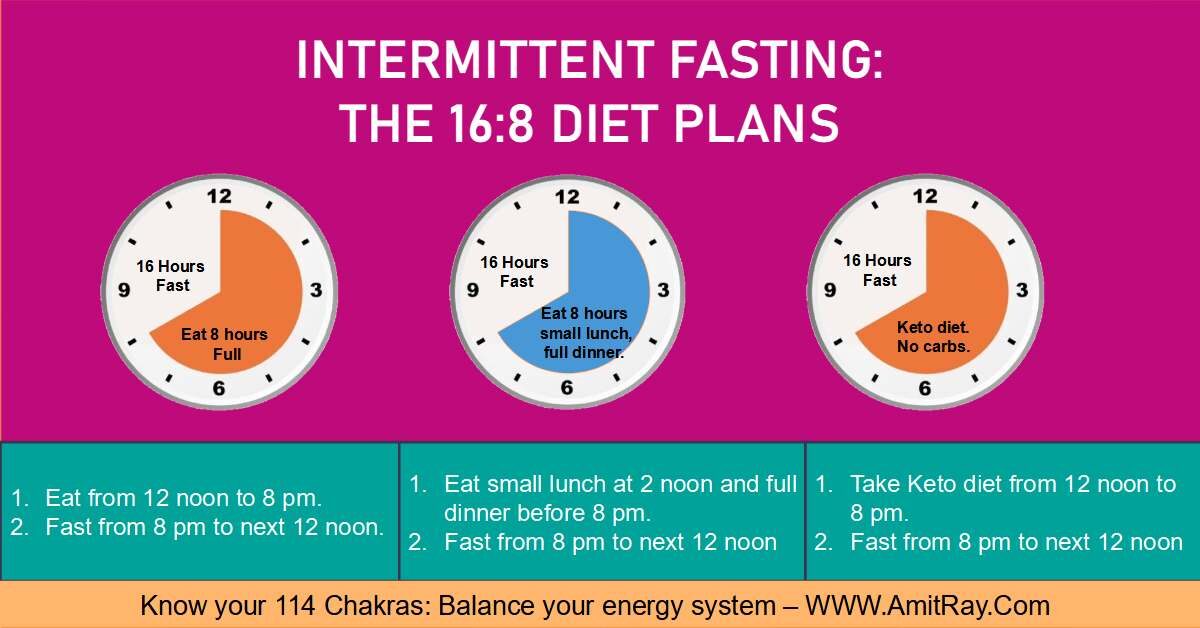
Living with the sudden, searing pain of a gout flare-up can make anyone desperate for a long-term solution. Many individuals are turning to 16:8 intermittent fasting and gout management as a dual strategy to reclaim their health. This popular fasting protocol involves consuming all your daily calories within an eight-hour window and fasting for the remaining sixteen hours. While the weight-loss benefits of 16:8 are well-documented, its impact on uric acid levels is a nuanced topic that requires a careful approach. In this guide, we will explore the biological relationship between fasting and joint health, discuss how to avoid common pitfalls that trigger flares, and provide actionable dietary strategies to help you succeed.
While 16:8 intermittent fasting can improve insulin sensitivity and support weight loss—both vital for long-term gout management—it must be paired with high hydration and low-purine foods to prevent temporary spikes in uric acid.
The Science of 16:8 Intermittent Fasting and Uric Acid
Understanding how 16:8 intermittent fasting and gout interact starts with the kidneys. Gout is primarily caused by hyperuricemia, a condition where excess uric acid crystallizes in the joints. When you enter a fasting state, your body begins to burn fat for energy, producing organic acids known as ketones. The biological conflict arises because the kidneys are responsible for excreting both ketones and uric acid. When ketone levels rise during the fasting window, the kidneys may prioritize their excretion, leading to a temporary “backlog” of uric acid in the bloodstream.
However, this is often a short-term hurdle. Over time, the 16:8 method significantly improves insulin sensitivity. High insulin levels are notorious for causing the kidneys to reabsorb uric acid rather than flushing it out. By lowering baseline insulin, intermittent fasting can eventually help the body maintain lower uric acid levels naturally. The transition period is the most critical phase, as rapid changes in metabolic chemistry can sometimes trigger a “starvation flare” if the individual is not properly hydrated or is consuming high-purine foods during their feeding window.
Navigating the Benefits and Potential Risks
The primary benefit of 16:8 intermittent fasting for gout sufferers is sustainable weight management. Excess body weight is a leading risk factor for gout, as adipose tissue can increase uric acid production. By restricting the eating window, many people naturally achieve a caloric deficit, leading to gradual weight loss that puts less stress on the joints. Furthermore, the 16:8 schedule helps reduce systemic inflammation, which can dampen the severity of future attacks.
Despite these advantages, there are risks to consider. Dehydration is the most common trigger for a gout flare during a fast. Without food to provide moisture and with the body processing stored glycogen, water loss increases significantly. If you are not drinking enough water during the sixteen-hour fast, your blood becomes more concentrated, making it easier for uric acid crystals to form. It is also essential to avoid “binge-eating” high-protein or high-fructose foods when the eight-hour window opens, as these can cause a sudden metabolic shock that the body is not prepared to handle.
Integrating a Gout-Friendly Recipe into Your 16:8 Routine
To successfully manage 16:8 intermittent fasting and gout, what you eat during your feeding window is just as important as the fast itself. You need a recipe that is alkaline-forming, low in purines, and highly satiating to keep you full until the next window opens. A Mediterranean-inspired Quinoa and Cherry Salad is an excellent choice, as cherries are scientifically linked to lower uric acid levels.
To prepare this gout-friendly meal, you will need the following ingredients: one cup of cooked quinoa, half a cup of fresh pitted cherries, a handful of sliced almonds, diced cucumbers, and a dressing made of lemon juice and extra virgin olive oil. This recipe avoids the high-purine meats and sugary sauces that often lead to inflammation.
The preparation process is straightforward.
Prep time: 10 minutes.
Cooking time: 15 minutes (for the quinoa).
Servings: 2.
Calories: Approximately 380 per serving.
The instructions are simple: once your quinoa is cooled, toss it in a large bowl with the cucumbers and cherries. Whisk the lemon juice and olive oil together, then pour the mixture over the salad and top with almonds. Breaking your fast with a nutrient-dense meal like this ensures you are fueling your body without overloading your system with purines.
Managing Hydration and Electrolytes During the Fast
Maintaining the delicate balance of 16:8 intermittent fasting and gout management requires a proactive approach to hydration. Water is your most powerful tool; it dilutes uric acid and assists the kidneys in the filtration process. During your sixteen-hour fasting window, you should aim to drink at least 2 to 3 liters of water. Plain water is best, but adding a squeeze of fresh lemon can provide a small amount of Vitamin C, which has been shown to assist in uric acid excretion.
Electrolytes are equally important. As the body flushes out water during a fast, it also loses sodium, magnesium, and potassium. A deficiency in these minerals can lead to muscle cramps and may indirectly impact kidney efficiency. To stay balanced, consider adding a pinch of high-quality sea salt to your water or taking a sugar-free electrolyte supplement. Avoid any supplements that contain fructose or artificial sweeteners, as these can interfere with your insulin levels and potentially aggravate gout symptoms.
Expert Tips for Long-Term Success
When combining 16:8 intermittent fasting and gout management, experts recommend a “slow and steady” approach. Do not jump straight into a strict fasting window if your body is currently experiencing a flare-up. Instead, wait until your joints are calm before beginning the transition. It is also wise to monitor your uric acid levels through regular blood work to see how your body is responding to the new metabolic schedule.
Many professionals suggest incorporating low-fat dairy into your feeding window. Products like Greek yogurt or skim milk have a mild urisocuric effect, meaning they help the kidneys remove uric acid. Additionally, if you find that the 16:8 window is too challenging at first, try a 14:10 window and slowly decrease the eating period over several weeks. This allows your kidneys and metabolism to adapt without the shock that often leads to increased crystal formation.
- Drink a glass of water with a tablespoon of apple cider vinegar during your window to help balance your body’s pH.
- Prioritize complex carbohydrates like oats and brown rice over refined flours to keep insulin levels stable.
- Avoid alcohol entirely during the first few weeks of starting 16:8, as it significantly inhibits uric acid excretion.
Conclusion
Successfully navigating 16:8 intermittent fasting and gout is entirely possible with the right preparation and dietary choices. By understanding the metabolic relationship between ketones and uric acid, you can take steps to mitigate flares through superior hydration and low-purine nutrition. While the initial transition may require discipline, the long-term rewards of improved insulin sensitivity and weight loss offer a path toward fewer gout attacks and better overall health. Start by focusing on nutrient-dense recipes and staying consistent with your fasting windows to see the best results for your joints and your well-being.
❓ Frequently Asked Questions
1
How long does a gout-friendly meal last in fridge?
Most low-purine recipes, such as quinoa salads or roasted vegetables, last about 3 to 4 days in the fridge when stored in an airtight container. Keeping your meal prep fresh ensures you have healthy options ready during your 16:8 eating window, making it much easier to stick to your schedule.

2
Can I make fasting meals ahead of time?
Yes, you can easily prepare your eating-window meals ahead of time. Batch-cooking grains and prepping ingredients simplifies the 16:8 routine. Having these ready prevents the temptation of reaching for high-purine processed snacks when your fasting period ends, which is crucial for managing gout flares and maintaining metabolic health.
3
What can I substitute for high-purine proteins?
You can substitute high-purine proteins like red meat with low-purine alternatives such as eggs, nuts, or low-fat dairy. In your 16:8 window, focus on plant-based proteins and healthy fats to maintain satiety while keeping uric acid levels stable. Cherries and Vitamin C are also excellent gout-fighting dietary additions.
4
How do I know when the fasting protocol is working?
You will know your 16:8 lifestyle change is working when you experience fewer gout flares and improved energy levels. Monitoring your weight and uric acid through regular blood tests is the most accurate way to determine if intermittent fasting is positively impacting your condition over a long-term period.
5
Can I freeze gout-friendly recipe portions?
Many gout-friendly recipes, such as vegetable-based soups or cooked legumes, freeze exceptionally well for up to three months. Freezing pre-portioned meals is a great strategy for 16:8 intermittent fasting, ensuring you always have a healthy, homemade option ready to eat the moment your daily fasting window finally concludes.