Brownies with Peppermint Bark: The Ultimate Festive Treat
The intersection of rich, fudgy chocolate and the cooling snap of peppermint creates a sensory experience that defines seasonal baking. Brownies with peppermint bark are more than just a simple dessert; they are a sophisticated blend of textures and temperatures that appeal to both traditionalists and modern foodies. While a standard brownie offers a dense, chewy bite, the addition of peppermint bark introduces a dual-layered crunch of white and dark chocolate infused with festive candy cane pieces. In this guide, you will discover the science behind achieving the perfect crumb, the importance of ingredient temperature, and how to balance the intense sweetness of the bark with a deep, cocoa-forward base.

The secret to exceptional brownies with peppermint bark lies in the contrast between a high-quality, bittersweet chocolate base and the creamy, cooling properties of the peppermint topping, ensuring neither flavor overwhelms the other.
The Foundation of a Perfect Peppermint Brownie
To create a sturdy yet indulgent base for brownies with peppermint bark, one must start with the fundamental building blocks of pastry: butter and sugar. The process begins by melting unsalted butter, which provides the necessary fat for a moist interior. When you whisk in the sugar, you aren’t just adding sweetness; you are creating the structural integrity of the “crackly” top that many bakers crave. For a truly professional depth of flavor, incorporating a high-quality vanilla extract is non-negotiable. It acts as a bridge between the earthy notes of the cocoa and the bright, sharp zing of the peppermint.
The dry ingredients play an equally vital role. While some recipes rely heavily on flour, a fudgy brownie requires a lower ratio of flour to fat. Sifting your flour alongside a small amount of baking powder ensures that the brownies have a slight lift without becoming overly cake-like. This balance is crucial because the peppermint bark topping adds significant weight. If the base is too light, the bark will sink to the bottom during the baking process; if it is too dense, the dessert becomes difficult to chew. By carefully folding the dry ingredients into the butter and sugar mixture, you maintain the air pockets necessary for that signature chewy texture.
Integrating Peppermint Bark: Timing and Technique
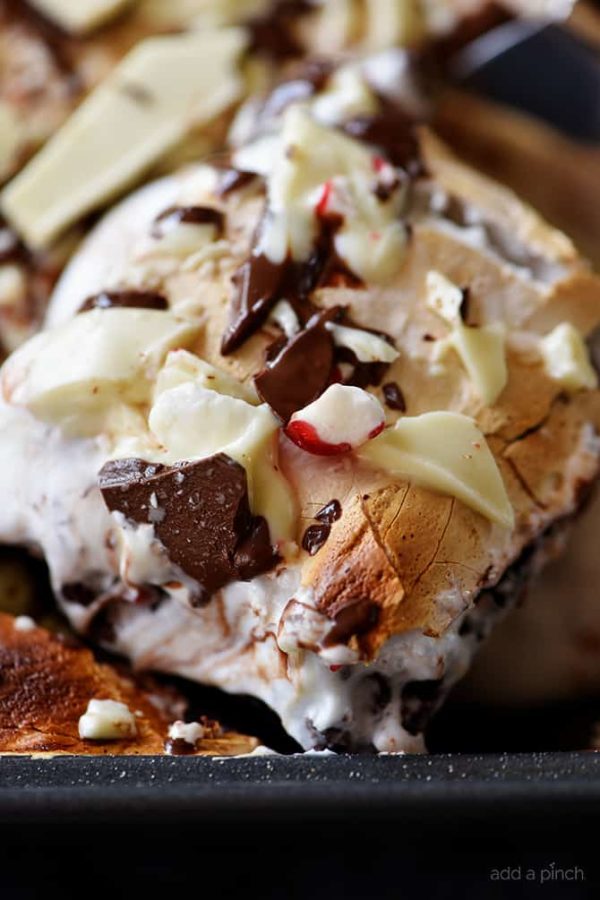
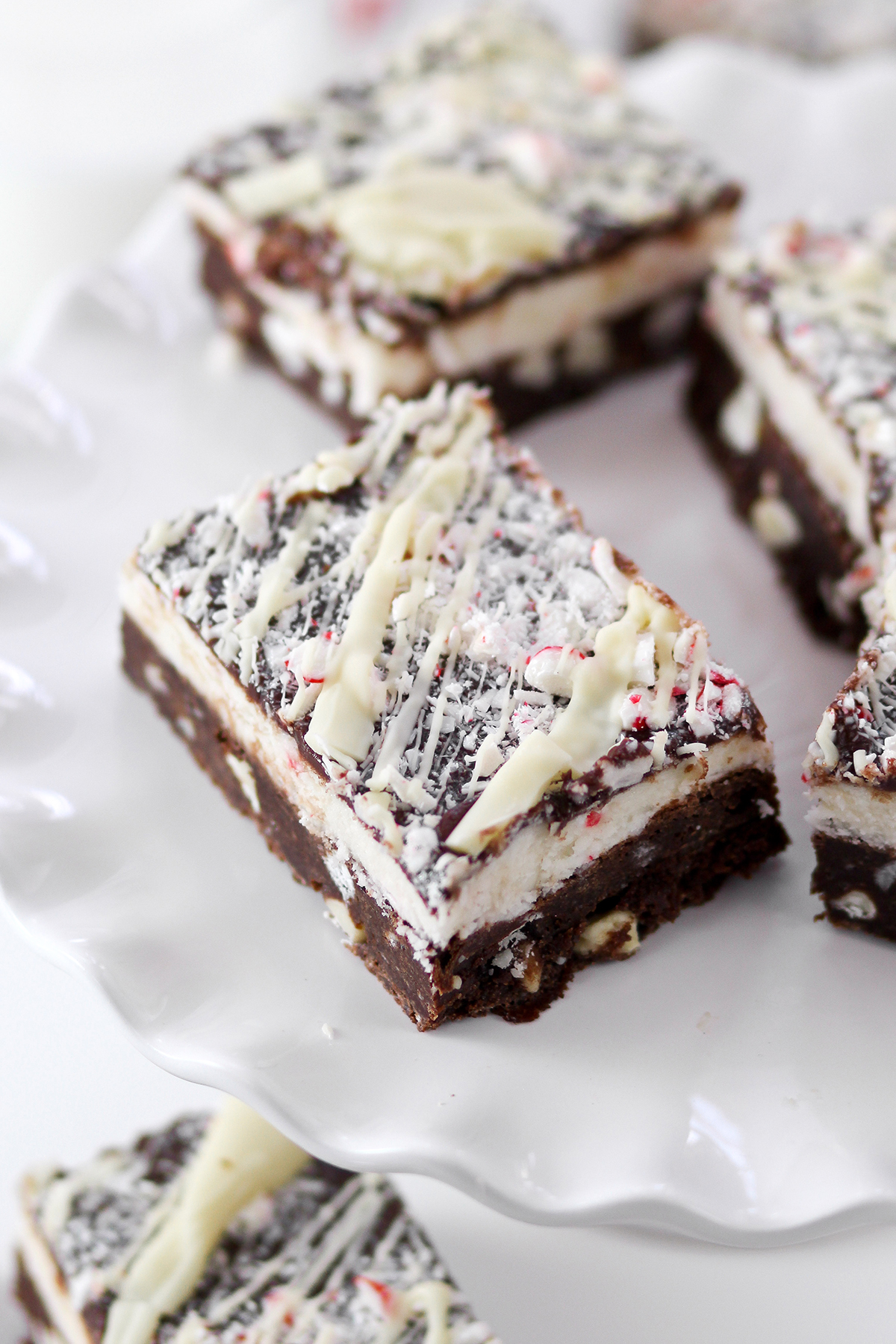
There are two primary ways to incorporate peppermint bark into your brownies: folding it into the batter or using it as a decorative, structural topping. If you choose to fold chopped bark into the raw batter, the white chocolate components often melt into “pockets” of creaminess, while the peppermint candy bits provide a subtle crunch throughout. However, for the most visually striking brownies with peppermint bark, applying the bark as a topping is the preferred method.
The challenge with topping brownies with chocolate bark is the melting point. If you apply the bark the moment the pan comes out of the oven, the residual heat will melt the delicate white chocolate layer, turning your beautiful bark into a swirling mess. To achieve professional results, allow the brownies to cool for approximately ten minutes. This allows the base to set slightly while remaining warm enough to “grab” the bark. Pressing the shards of bark into the semi-set surface creates a cohesive dessert that won’t fall apart when sliced. For those who want an extra layer of decadence, a thin layer of chocolate frosting can act as “glue” for the bark, providing a smooth transition between the brownie and the candy topping.
Enhancing Flavor with Frosting, Icing, and Creams
While brownies with peppermint bark are spectacular on their own, they can be elevated into a gourmet plated dessert with the right accompaniments. A rich chocolate frosting can add a truffle-like consistency to the dish, especially if it is whipped until light and airy. If you prefer something less heavy, a simple royal icing drizzle made with peppermint oil can reinforce the minty profile without adding excessive bulk. The icing provides a beautiful white-on-dark contrast that mimics the look of falling snow, making it a favorite for winter gatherings.
For a more sophisticated presentation, consider serving your brownies with a side of homemade whipped cream. By adding a teaspoon of vanilla extract and a tiny pinch of sea salt to the cream, you create a neutral, airy element that cuts through the richness of the sugar and butter in the brownie. Some bakers even fold crushed peppermint into the whipped cream itself, doubling down on the refreshing flavor profile. This addition of a cold, creamy element against a room-temperature brownie creates a “hot and cold” sensation that is highly prized in professional pastry kitchens.
Achieving the Ideal Texture and Bake
The difference between a mediocre brownie and an extraordinary one often comes down to the final five minutes in the oven. When making brownies with peppermint bark, you must account for the fact that the sugar in the bark can burn if exposed to direct heat for too long. This is why many experts recommend baking the brownie base almost entirely before adding the bark. A toothpick inserted into the center should come out with a few moist crumbs attached; if it comes out clean, the brownie is likely overbaked and will become dry once it cools.
Texture is also influenced by the cooling process. It is tempting to slice into a pan of brownies while they are still warm and the chocolate is molten. However, for brownies with peppermint bark, patience is a virtue. Allowing the pan to cool completely at room temperature, followed by a brief stint in the refrigerator, ensures clean, sharp edges when cutting. This also allows the peppermint bark to firmly re-set, preventing it from shattering or peeling away from the brownie base. Using a hot, dry knife to slice the chilled bars will result in the “bakery-style” look that characterizes high-end confections.
Expert Tips for Success
When working with peppermint bark, temperature control is your best friend. If your kitchen is particularly warm, the white chocolate in the bark can become soft and lose its snap. Store your bark in the refrigerator until the exact moment you are ready to use it. Additionally, consider the “bloom” of your cocoa powder. Whisking your cocoa into the melted butter before adding the sugar and flour allows the fats to coat the cocoa particles, intensifying the chocolate flavor and ensuring a smooth, lump-free batter.
Another professional recommendation is to use a parchment paper “sling.” By lining your baking pan with parchment that hangs over the edges, you can lift the entire block of brownies out of the pan once cooled. This makes it much easier to apply toppings like frosting or icing and allows for more precise cutting on a flat surface, protecting both your pan and the integrity of the peppermint bark.
- Always use room temperature eggs to ensure they emulsify properly with the butter and sugar, creating a smoother crumb.
- To prevent the peppermint candy bits from softening, add them as a garnish on top of the bark or frosting rather than mixing them deep into the batter.
- Add a half-teaspoon of espresso powder to the dry ingredients; it won’t make the brownies taste like coffee, but it will dramatically enhance the chocolate notes.
In conclusion, mastering brownies with peppermint bark requires a thoughtful approach to balancing textures and flavors. By focusing on a high-fat base of butter and sugar, carefully managing the inclusion of flour and baking powder, and timing the application of the bark, you can create a dessert that is as beautiful as it is delicious. Whether you finish them with a rich frosting, a delicate icing, or a cloud of whipped cream, these brownies remain a quintessential treat. Focus on quality ingredients like pure vanilla extract and premium chocolate to ensure your final product stands out as a triumph of seasonal baking.
❓ Frequently Asked Questions
1
How long do brownies with peppermint bark last in the fridge?
When stored in an airtight container, brownies with peppermint bark will stay fresh in the refrigerator for up to 5 to 7 days. For the best texture, let them come to room temperature before serving, as the cold can make the fudgy chocolate base quite firm and dense.
2
Can I make brownies with peppermint bark ahead of time?
Yes, you can certainly make these brownies ahead of time. Baking them a day in advance allows the flavors to meld and deepen. Simply store them at room temperature in an airtight container to maintain their moist texture and the signature crunch of the peppermint bark topping.
3
What can I substitute for peppermint bark?
If you cannot find store-bought peppermint bark, you can substitute it by melting white chocolate and stirring in crushed candy canes and a drop of peppermint extract. Pour this over the cooled brownies to create a homemade bark layer that delivers the same festive look and minty taste.
4
How do I know when brownies with peppermint bark are done?
Check for doneness by inserting a toothpick into the center of the brownies. They are perfectly baked when the toothpick comes out with a few moist crumbs attached. Avoid waiting until it comes out completely clean, as this usually indicates the brownies are overbaked and may become dry.
5
Can I freeze brownies with peppermint bark?
Yes, you can freeze these brownies for up to three months. Wrap individual squares tightly in plastic wrap and place them in a heavy-duty freezer bag. Thawing them at room temperature ensures the peppermint bark remains crisp and the chocolate brownie base stays fudgy and delicious for later.