Gluten Free Butternut Squash Mac and Cheese: Delicious
There is something undeniably nostalgic about a warm bowl of creamy macaroni and cheese. It is the ultimate comfort food, yet it often feels like a heavy indulgence that leaves you feeling sluggish. This gluten free butternut squash mac and cheese reimagines the classic dish by using whole foods to create a velvety, golden sauce that is as nutritious as it is delicious. By blending roasted squash with aromatic spices and high-quality dairy or dairy alternatives, you get a sauce that mimics the richness of traditional cheese while packing in essential vitamins and fiber. Whether you are cooking for picky toddlers or looking for a wholesome weeknight dinner, this recipe delivers that cheesy satisfaction without the heavy caloric load. Everyone at your table will fall in love with this vibrant, heartwarming meal that prioritizes both flavor and health.
- ⏱️ Prep Time: 15 minutes
- 🍳 Cook Time: 30 minutes
- 👥 Servings: 6 servings
- 📊 Difficulty: Easy
Ingredients for Success
- 12 ounces gluten free elbow pasta (brown rice or chickpea pasta works best for added protein)
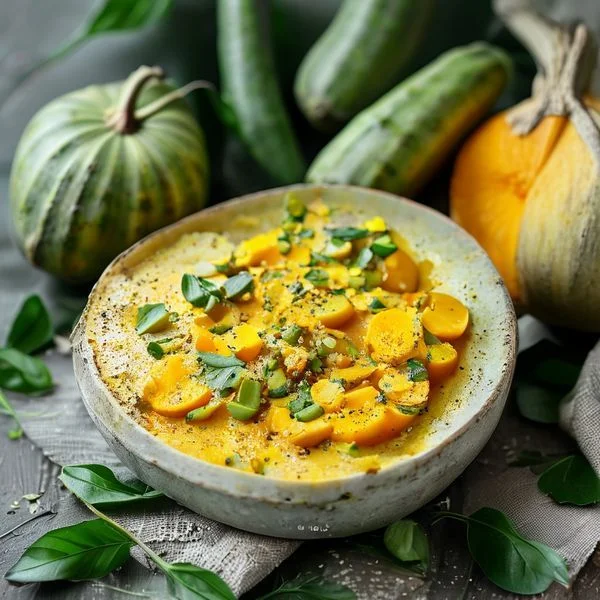
- 3 cups butternut squash, peeled and cubed into 1-inch pieces
- 2 tablespoons extra virgin olive oil
- 1/2 cup low-sodium vegetable broth
- 1/2 cup unsweetened almond milk or whole milk
- 1/2 cup nutritional yeast (for a nutty, cheesy flavor)
- 1 1/2 cups shredded sharp cheddar cheese (or vegan cheese alternative)
- 1 teaspoon garlic powder
- 1/2 teaspoon smoked paprika
- 1/2 teaspoon onion powder
- Sea salt and cracked black pepper to taste
- Optional: Fresh sage leaves or gluten free breadcrumbs for topping
Step-by-Step Instructions
- First, preheat your oven to 400 degrees Fahrenheit. While the oven heats up, prepare your butternut squash by peeling the tough outer skin and slicing the flesh into uniform one-inch cubes. Uniformity is key here to ensure every piece softens at the same rate. Place the cubes on a large baking sheet, drizzle with olive oil, and toss with a pinch of salt and pepper. Roast the squash for about 20 to 25 minutes. You are looking for the edges to turn slightly golden and the center to be completely tender when pierced with a fork. Roasting the squash instead of boiling it concentrates the natural sugars, giving your gluten free butternut squash mac and cheese a much deeper flavor profile.
- While the squash is roasting, bring a large pot of salted water to a rolling boil. Add your gluten free pasta and cook according to the package instructions. It is vital to cook gluten free pasta just until it is al dente. Because gluten free noodles lack the structural protein of wheat, they can easily become mushy if overcooked. Once cooked, drain the pasta, but be sure to reserve about half a cup of the starchy pasta water. This water is liquid gold for helping your sauce adhere to the noodles later on. Set the pasta aside in the warm pot.
- Once the butternut squash is finished roasting, carefully transfer the hot cubes into a high-speed blender or food processor. Add the vegetable broth, milk of choice, nutritional yeast, garlic powder, onion powder, and smoked paprika. Blend on high speed for approximately 60 seconds until the mixture is completely smooth and looks like a thick, glowing orange cream. The addition of nutritional yeast here adds a boost of B vitamins and provides that “umami” depth that usually comes from aged cheeses.
- Pour the blended squash puree back into a large saucepan or the same pot used for the pasta over medium-low heat. Stir in the shredded sharp cheddar cheese one handful at a time. Whisk constantly until the cheese has melted into the squash puree, creating a luxurious, stretchy sauce. If the sauce feels too thick, this is the time to add a splash of your reserved pasta water or a little more milk. This sauce is naturally high in fiber and contains significantly better macros than a traditional flour-based roux.
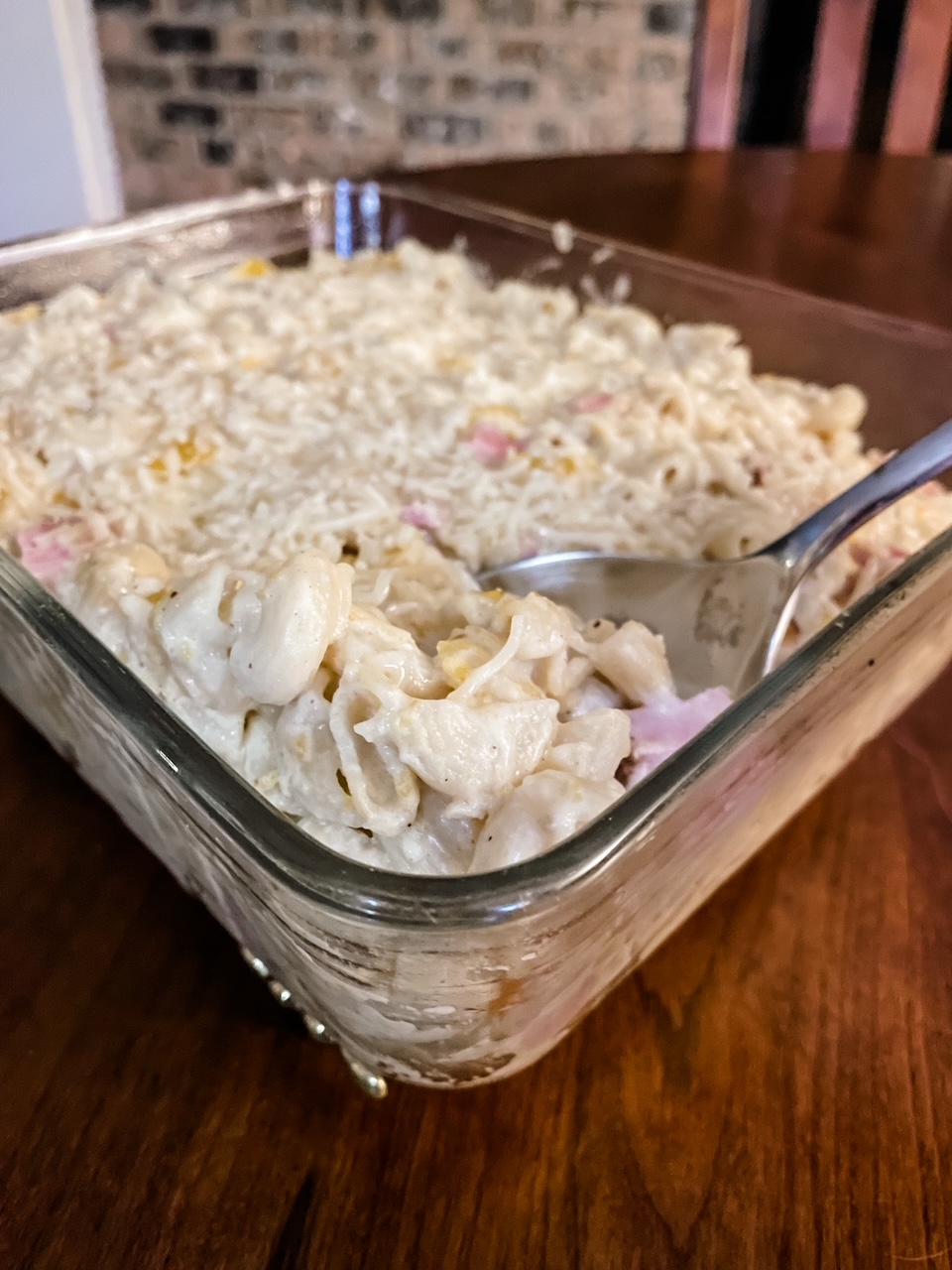
- Add the cooked gluten free pasta into the pot with the cheese sauce. Use a large wooden spoon to gently fold the noodles into the sauce until every crevice is filled with that golden goodness. Taste the dish and adjust the seasoning with additional salt or pepper if needed. If you want to take the presentation to the next level, you can transfer the mixture to a baking dish, top with a few fresh sage leaves or a sprinkle of gluten free breadcrumbs, and broil for 3 to 5 minutes until the top is crispy.
- Serve the dish immediately while the sauce is at its creamiest. This recipe provides a balanced meal that fits perfectly into a healthy lifestyle, offering a complex blend of vitamins and minerals hidden within a kid-friendly favorite. Your family will enjoy a meal that feels like a treat but supports their well-being.
To ensure the smoothest sauce, make sure your squash is very soft before blending. If you want a protein boost, use chickpea-based pasta which adds significant plant-based protein to the dish. Always grate your own cheese from a block; pre-shredded cheeses are coated in potato starch which can prevent the sauce from becoming perfectly smooth.

Variations & Substitutions
This gluten free butternut squash mac and cheese is incredibly versatile. If you are looking to make this dish entirely vegan, simply swap the cheddar cheese for your favorite dairy-free shreds or increase the nutritional yeast and add a tablespoon of white miso paste for extra depth. For those focusing on protein intake, you can stir in cooked shredded chicken, sautéed shrimp, or even some crispy chickpeas. To sneak in more whole foods, try adding steamed broccoli florets or sautéed kale during the final mixing stage. If you do not have butternut squash on hand, pumpkin puree or roasted sweet potatoes serve as excellent substitutes, though they may slightly change the sweetness of the final sauce.
Storage & Make Ahead
This recipe is fantastic for meal prep as it holds up well when reheated. Store any leftovers in an airtight container in the refrigerator for up to four days. For the best texture when reheating, add a small splash of milk or water to the bowl before microwaving to loosen the sauce back to its original creaminess. If you want to freeze this dish, it is best to freeze the sauce separately from the pasta to maintain the best consistency. This allows for easy portion control during busy work weeks; simply thaw the sauce, boil fresh noodles, and you have a nutritious dinner in minutes.
Nutrition Information
This healthy version of a classic favorite is designed to fit your macros while providing a wealth of vitamins, specifically Vitamin A and C from the squash. By using whole foods and gluten free alternatives, we reduce the heavy saturated fats found in traditional versions. Each serving offers a significant amount of fiber, which helps with digestion and keeps you feeling full longer. Whether you are counting calories or simply trying to eat more real food, this recipe is a powerhouse of nutrition that does not compromise on the soul-soothing taste of a cheesy pasta dish.
❓ Frequently Asked Questions
1
How long does butternut squash mac and cheese last in fridge?
Stored in an airtight container, this dish stays fresh for up to four days. Reheat gently on the stovetop with a splash of milk to restore the creamy texture of the sauce. It is a great meal-prep option for busy weekdays when you need something nutritious and filling.
2
Can I make this mac and cheese ahead of time?
Yes, you can prepare the butternut squash sauce up to two days in advance. Simply cook the pasta and combine with the sauce when you are ready to serve. This saves significant time during dinner prep while ensuring the meal tastes fresh, creamy, and absolutely delicious every time.
3
What can I substitute for cheddar cheese?
If you want to make this vegan, swap the cheddar for nutritional yeast or a plant-based cheese alternative. For the pasta, lentil or brown rice varieties work beautifully. These substitutions still provide excellent macros and fiber while catering to various dietary needs without sacrificing the classic comfort flavor.
4
How do I know when the dish is done?
The dish is ready when the pasta is al dente and the sauce has thickened to a velvety consistency that coats every noodle. If you are baking it, look for a golden-brown top and bubbling edges. This ensures the perfect texture and ensures the flavors have fully melded together.
5
Can I freeze butternut squash mac and cheese?
You can freeze this mac and cheese for up to three months. To maintain the best texture, freeze it before the final baking step. Thaw overnight in the refrigerator before reheating in the oven. This method preserves the fiber and vitamins while keeping the sauce from becoming grainy.