Can You Juice Green Beans? Healthy & Refreshing Guide
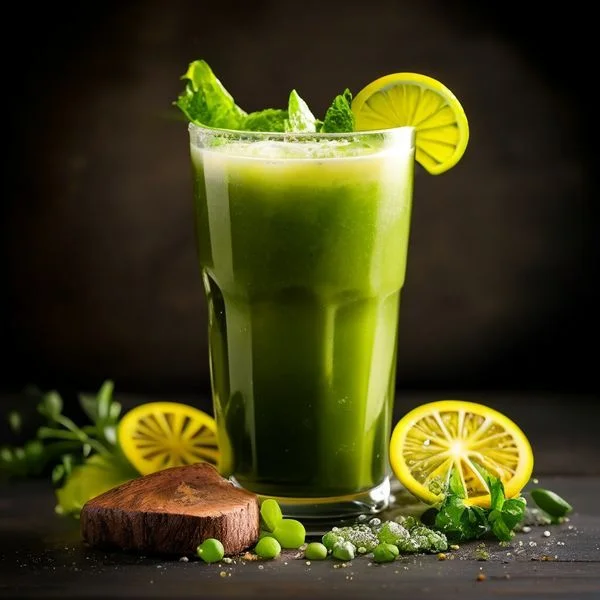
Yes, you can absolutely juice green beans! While they are more commonly served steamed or sautéed, raw green beans are safe to juice and offer a concentrated source of vitamins K, C, and A. They produce a mild, earthy, and slightly sweet liquid that is incredibly hydrating. To improve the flavor and texture, many people prefer using a high-speed blender with ice or mixing the extract with other refreshing vegetables like cucumber or celery.

Is Juicing Green Beans a Good Idea?
While the idea of liquidizing a common side dish might seem unconventional, juicing green beans is a fantastic way to boost your daily nutrient intake. Green beans, also known as string beans or snap beans, are botanically classified as fruits, though we treat them as vegetables in the kitchen. When processed through a juicer, they release a vibrant green liquid that is packed with chlorophyll and essential minerals like potassium and magnesium. Because they have a high water content, the resulting juice is naturally hydrating and serves as an excellent base for a revitalizing green tonic.
From a nutritional standpoint, raw green bean juice is a powerhouse. Unlike cooking, which can sometimes degrade heat-sensitive vitamins, juicing preserves the raw enzymes and antioxidants found within the pods. These nutrients support bone health, immune function, and skin vitality. However, it is important to note that the flavor of pure green bean juice is quite distinct—it is grassy and very “green.” For most people, the experience is much more enjoyable when the beans are part of a blend. Combining them with tart apples or citrus can balance the earthiness, creating a refreshing beverage that feels light on the palate.
Another practical reason to juice green beans is their low-calorie profile. If you are looking for a way to add volume to your vegetable juices without significantly increasing the sugar content, green beans are a superior choice compared to carrots or beets. They provide a subtle sweetness without the glycemic spike, making them an ideal ingredient for those monitoring their sugar intake while seeking a nutrient-dense, chilled drink.
How to Juice Green Beans: A Step-by-Step Guide
To get the best results when juicing green beans, you want to ensure they are as fresh as possible. Look for beans that “snap” when bent; if they are limp or rubbery, they won’t yield much juice and may taste bitter. Here is the best way to prepare your green bean elixir:
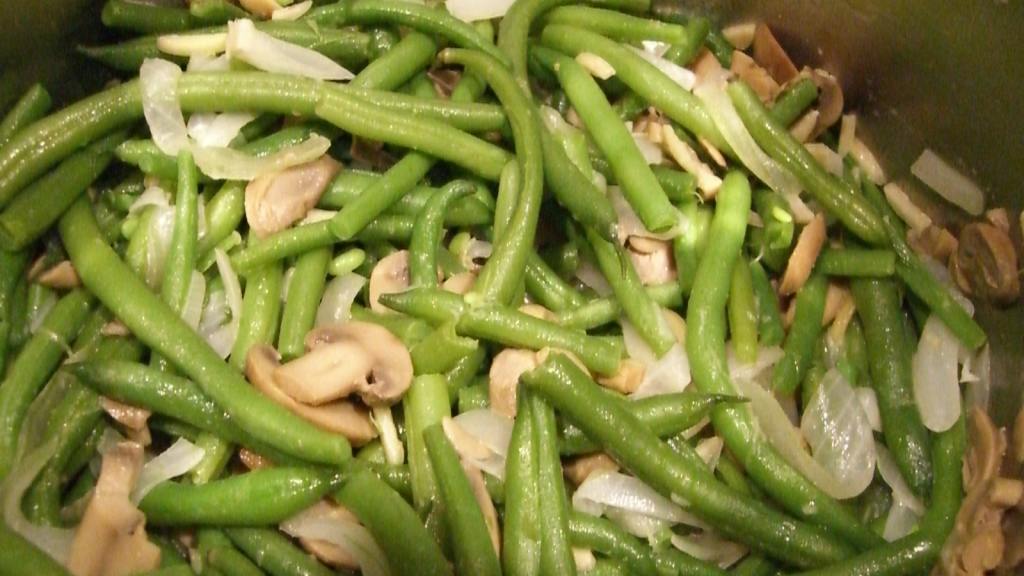
1. Preparation and Cleaning: Begin by thoroughly washing your green beans under cold running water to remove any dirt or pesticide residue. You do not necessarily need to “string” them or remove the ends if you are using a high-quality juicer, but many people prefer to trim the tough stem ends for a cleaner flavor profile. If you are using a blender instead of a dedicated juicer, cutting them into smaller one-inch pieces will help the blades process them more efficiently.
2. Choosing Your Method: If you have a masticating or centrifugal juicer, simply feed the beans through the chute a handful at a time. Because they are small and thin, they can sometimes move through the machine quickly, so it helps to sandwich them between denser items like sliced apples or cucumbers. If you do not own a juicer, you can use a high-speed blender. Combine the beans with a small amount of filtered water or coconut water and pulse until smooth. To achieve a juice-like consistency, strain the mixture through a nut milk bag or a fine-mesh sieve.
3. Chilling and Serving: Green bean juice is best enjoyed immediately while the enzymes are most active. To make it a truly refreshing treat, pour the liquid over plenty of ice. If you find the texture a bit thick, you can even blend in some frozen cucumber slices to give it a slushy, hydrating finish. For a professional touch, add a thin slice of lemon or a sprig of mint as a garnish to enhance the aromatic experience.
Important Considerations for Raw Green Bean Juice
While juicing green beans is generally safe and healthy, there are a few considerations to keep in mind to ensure you have the best experience. The most significant factor is the presence of lectins. Many legumes contain proteins called lectins, which can cause digestive discomfort in some individuals when consumed in large raw quantities. While the levels in common green beans are relatively low compared to kidney beans, it is always wise to start with a small amount of juice to see how your body reacts.
Another consideration is flavor balance. On its own, raw green bean juice can be somewhat astringent. To avoid a “grassy” aftertaste, professional juicers recommend a ratio of about 20% green bean juice to 80% other ingredients. Ingredients like ginger, lime, and pear work wonders at masking the more aggressive vegetal notes. Furthermore, ensure you are using fresh beans rather than frozen ones for juicing. While frozen green beans are great for smoothies in a blender, they can become mushy and lose their crisp flavor when put through a traditional juicer.
Finally, remember that juicing removes the beneficial fiber found in the bean pods. If you want to retain that fiber for digestive health, consider making a “green bean smoothie” in your blender rather than a clear juice. By keeping the pulp and adding hydrating liquids and ice, you get the full spectrum of the plant’s benefits in a chilled, filling format.
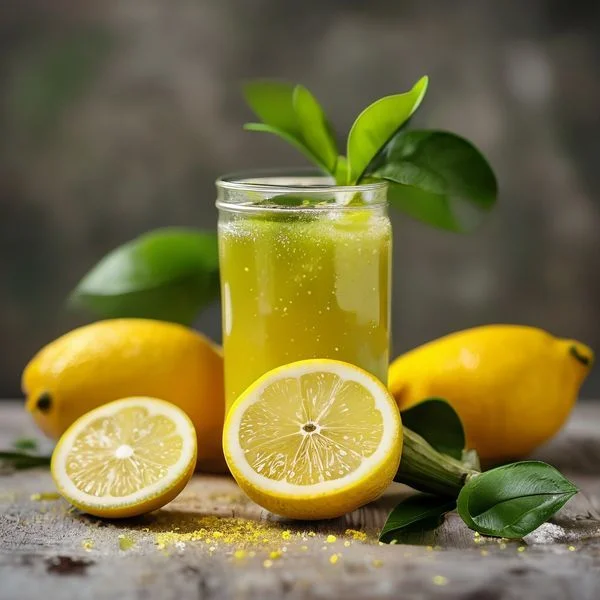
- Mix for Flavor: Combine green beans with lemon juice and a hint of green apple to create a perfectly balanced, refreshing tonic.
- Temperature Matters: Always serve your green bean juice chilled or over ice; room-temperature vegetable juice can taste overly earthy.
- Blender Alternative: If using a blender, toss in a few frozen grapes to naturally sweeten the drink while keeping it icy and thick.
- Use the Garnish: A cucumber ribbon or a lemon twist as a garnish makes the drink feel like a gourmet health beverage rather than just a kitchen experiment.
Final Thoughts
In summary, you can certainly juice green beans, and doing so opens up a new world of nutritional possibilities. Whether you use a professional-grade extractor or a standard kitchen blender, these versatile legumes provide a hydrating, vitamin-rich addition to any green drink repertoire. By following proper preparation steps and balancing the earthy flavor with citrus or sweet fruits, you can create a unique and refreshing beverage. Just remember to start slow, keep your drinks chilled, and enjoy the vibrant energy that raw green bean juice provides.
❓ Frequently Asked Questions
1
How long does green bean juice last in fridge?
For peak freshness and nutrition, drink green bean juice immediately after preparation. If you must store it, keep it in an airtight glass jar in the refrigerator for no more than 24 hours. Natural separation is normal, so give it a quick shake before consuming.
2
Can I make green bean juice ahead of time?
You can prepare this drink up to a day in advance, but the enzymes and vitamins begin to degrade shortly after juicing. To maintain the bright color and refreshing taste, add a squeeze of lemon juice and store it in the coldest part of your refrigerator.
3
What can I substitute for green beans?
If you don’t have green beans, sugar snap peas or celery are the best substitutes. Both offer a similar hydrating quality and a mild, vegetal flavor that blends well. Celery provides a saltier finish, while snap peas offer a slightly sweeter profile to your beverage.
4
How do I know when green bean juice is done?
When using a blender, the mixture is ready once it looks completely liquid with no visible fiber chunks. After straining through a mesh sieve or bag, the juice should be a vibrant, clear green. If using a juicer, the process is done when the pulp is dry.
5
Can I freeze green bean juice?
Yes, you can freeze the juice in ice cube trays for long-term storage. These cubes are excellent for adding to future smoothies or as a hydrating addition to water. Frozen juice cubes will maintain their quality for approximately two to three months in a sealed bag.