Mean Green Juice Ingredients: Ultimate Healthy Guide
When it comes to the world of wellness and liquid nutrition, few beverages carry as much prestige as the legendary Mean Green juice. Originally popularized by health advocates for its potent detoxifying properties and micronutrient density, this vibrant elixir has become a staple for anyone looking to revitalize their body from the inside out. The primary mean green juice ingredients are carefully selected to balance earthy notes with a hint of sweetness and a sharp citrus finish. In this guide, you will learn the exact components required to craft this iconic drink, the science behind their selection, and how to achieve the perfect consistency for a truly refreshing experience.

The Mean Green juice relies on a specific ratio of kale, cucumber, celery, apples, lemon, and ginger to deliver a high-octane dose of vitamins while remaining palatable and highly hydrating.
The Core Mean Green Juice Ingredients
The magic of this beverage lies in its simplicity and the synergy of its components. To create the authentic version, you need a specific list of mean green juice ingredients that cover the spectrum of nutritional benefits. The foundation begins with leafy greens, specifically kale. Kale is a nutrient powerhouse, providing high levels of Vitamin K, Vitamin A, and Vitamin C. Because kale can be quite bitter, it is balanced by the inclusion of Granny Smith apples. These apples provide a tart sweetness that cuts through the grassiness of the greens without adding excessive sugar.
Next, the drink incorporates cucumber and celery. These two vegetables are the workhorses of the recipe, providing the bulk of the liquid volume. Since both are incredibly high in water content, they make the juice exceptionally hydrating. Cucumber adds a mild, cooling flavor, while celery provides essential electrolytes and minerals. To round out the flavor profile, fresh ginger and lemon are added. Ginger provides a warming, spicy kick and aids digestion, while lemon acts as a natural preservative and adds a bright, acidic lift that wakes up the palate.
Nutritional Breakdown and Benefits
Understanding why these specific mean green juice ingredients are chosen helps in appreciating the drink’s impact on health. This combination is designed to be alkalizing, meaning it helps balance the body’s internal pH levels. When you consume these ingredients in liquid form, the nutrients are absorbed rapidly into the bloodstream, bypassing the heavy lifting of the digestive process. This provides an immediate energy boost that many people find more sustainable than the jittery spike associated with caffeine.
The following table outlines the primary role of each ingredient in the blend:
| Ingredient | Key Nutrient | Primary Benefit |
|---|---|---|
| Kale | Vitamin K & Chlorophyll | Bone health & detoxification |
| Cucumber | Silica & Water | Skin health & hydration |
| Green Apple | Pectin & Polyphenols | Heart health & sweetness |
| Ginger | Gingerol | Anti-inflammatory support |
By combining these elements, you are essentially creating a liquid multivitamin. The high chlorophyll content from the kale and celery helps in oxygenating the blood, which can lead to improved mental clarity and physical endurance.
Blender vs. Juicer: Preparation Methods
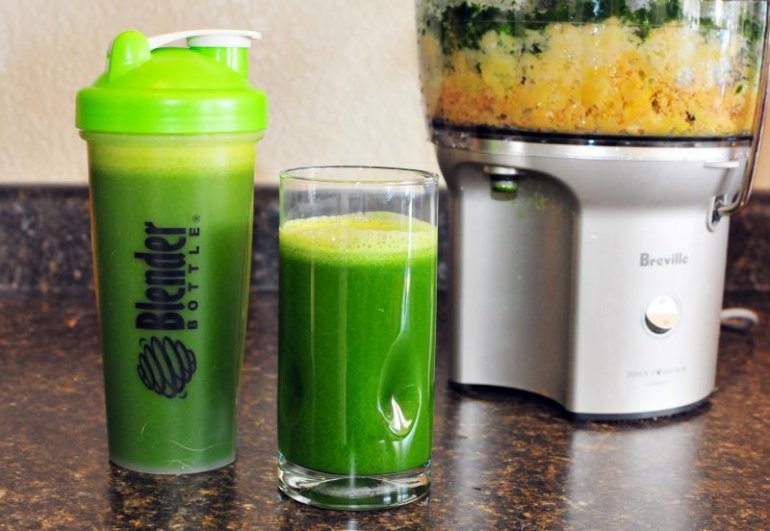
While the traditional recipe calls for a centrifugal or masticating juicer to extract the liquid, many home enthusiasts prefer using a high-speed blender. If you choose to use a blender, you are technically making a “green smoothie” rather than a juice, as the fiber remains in the drink. To achieve a juice-like consistency in a blender, you may need to add a small amount of chilled water or ice to help the blades move and keep the temperature down. High-speed blending can generate heat, which may degrade some of the delicate enzymes in the greens.
For those who want the true “juice” experience using a blender, the mixture can be strained through a nut milk bag or a fine-mesh sieve. This removes the pulp, leaving behind a smooth, light liquid. If you prefer the beverage to be served chilled, you can blend the ingredients with a handful of ice or simply store the finished product in the refrigerator for thirty minutes before consuming. Using a juicer is generally more efficient for extracting the pure essence of the mean green juice ingredients, but the blender method is an excellent alternative for those who want to keep the beneficial dietary fiber intact.
Serving and Storage Recommendations
To get the most out of your Mean Green juice, it should ideally be consumed immediately after preparation. Freshly extracted juice begins to oxidize the moment it hits the air, which can diminish the nutrient potency over time. However, if you need to prep in advance, store the juice in an airtight glass container, filling it to the very top to minimize air exposure. Keeping the drink chilled is essential; a cold temperature helps maintain the crisp flavor of the apples and the refreshing qualities of the cucumber.
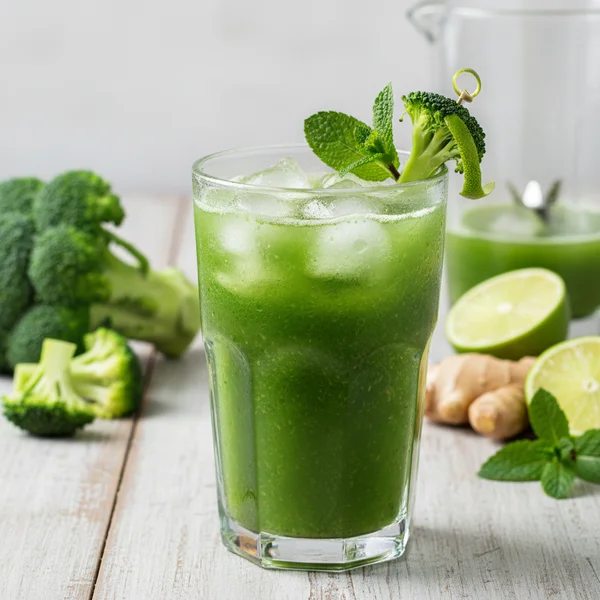
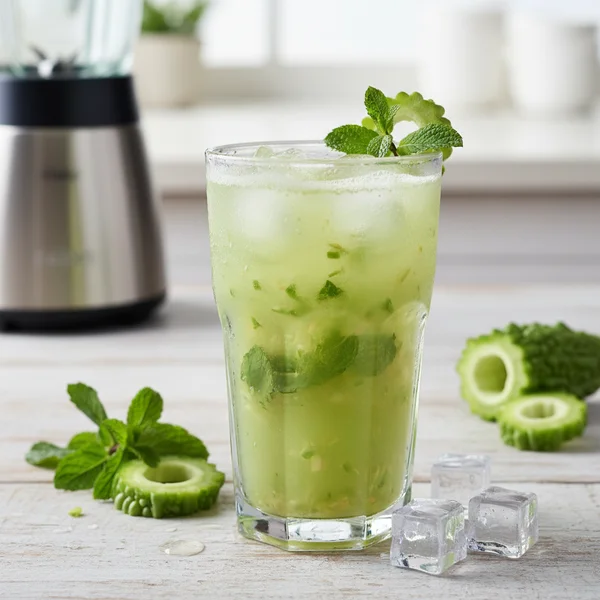
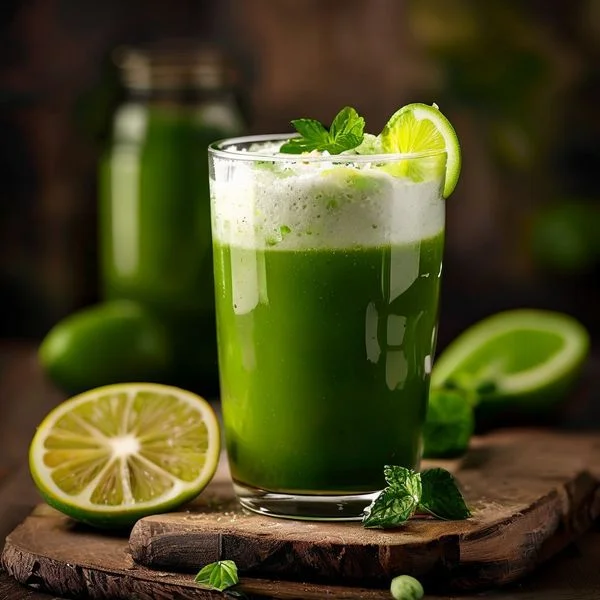
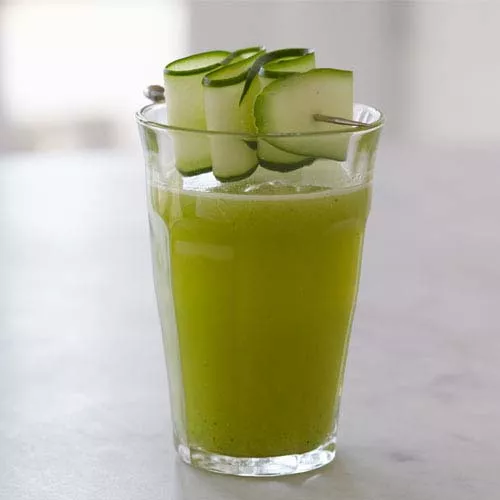
For a touch of culinary flair, you can add a garnish to your glass. A sprig of fresh mint or a thin slice of lemon on the rim can enhance the aromatic experience, making the drink feel like a treat rather than just a health supplement. If you have leftovers, don’t let them go to waste. You can pour the extra juice into ice cube trays and keep them frozen. These frozen green cubes can be popped into future smoothies or used to chill down a glass of water without diluting the flavor.
Expert Tips for the Best Results
Professional juicers often emphasize the importance of produce quality. Whenever possible, choose organic mean green juice ingredients, as you are consuming the concentrated extract of the plant and want to avoid pesticide residue. Another expert recommendation is the “alternating method” during juicing. If you are using a standard juicer, alternate between feeding the leafy kale and the watery cucumber. The juice from the cucumber helps flush the kale through the machine, ensuring you get the maximum yield from the greens.
Furthermore, pay attention to the ginger. Fresh ginger is incredibly potent; start with a small one-inch piece and adjust according to your spice tolerance. If the juice feels too “heavy,” adding a bit more lemon can help lighten the profile and make the drink more refreshing during hot weather.
- Wash your greens in a cold vinegar bath to ensure they are perfectly clean before juicing.
- If the juice is too bitter, add half an extra apple rather than sugar or honey.
- Serve over ice if you prefer a thinner, colder texture that mimics a gourmet beverage.
- Use a garnish like a celery stalk to add a crunchy element to your serving.
Incorporating the Mean Green juice into your weekly routine can be a transformative habit. By focusing on high-quality mean green juice ingredients and utilizing the right preparation techniques—whether that involves a juicer or a blender—you can enjoy a hydrating and nutrient-dense beverage that supports your overall well-being. This drink is more than just a trend; it is a functional tool for health that remains as relevant today as ever. Start with the basic recipe, experiment with the ratios to suit your palate, and enjoy the refreshing surge of energy that only fresh, green produce can provide.
❓ Frequently Asked Questions
1
How long does mean green juice last in fridge?
Fresh mean green juice is best enjoyed immediately to maximize nutrient absorption. However, you can store it in an airtight glass container for up to 24 to 48 hours. Keep it chilled at all times and give it a quick shake before drinking, as natural separation will occur.
2
Can I make mean green juice ahead of time?
You can prep the ingredients ahead of time by washing and chopping them. While you can blend the juice the night before, the vitamins and enzymes are most potent when consumed fresh. If you must make it ahead, add extra lemon juice to help preserve the vibrant color.
3
What can I substitute for kale?
If kale is too bitter for your palate, baby spinach is an excellent, mild alternative that provides similar nutrients. Swiss chard or romaine lettuce also work well. These substitutions maintain the refreshing quality of the drink while slightly altering the flavor profile to be more approachable for beginners.
4
How do I know when the juice is done?
If using a blender, the juice is done when all ingredients are completely liquefied and no large chunks remain. If you prefer a thinner consistency, the process is finished once you have strained the mixture through a fine-mesh sieve or nut milk bag to remove the fibrous pulp.
5
Can I freeze mean green juice?
Freezing is a great way to preserve the juice if you have made a large batch. Pour the liquid into silicone ice cube trays for easy portioning. These frozen cubes can be added back into a blender for a slushy texture or thawed slowly in the refrigerator overnight.