Juicer Recipes for Weight Loss: Juicing for Beginners Guide Review
Starting a weight loss journey often feels like navigating a dense fog without a compass. You know you want to feel lighter, more energetic, and healthier, but the sheer volume of conflicting dietary advice can be paralyzing. I remember standing in my kitchen, staring at a brand-new centrifugal juicer, wondering if I had just bought an expensive countertop decoration. I wanted to find effective juicer recipes for weight loss that actually tasted good, but most online forums were filled with overly complex concoctions that required ingredients I couldn’t even pronounce. This is exactly where Juicing for Beginners: The Essential Guide to Juicing Recipes and Juicing for Weight Loss steps in to bridge the gap between confusion and clarity.
I found that this book serves as more than just a collection of ingredients; it is a comprehensive roadmap for those who are tired of fad diets and want a sustainable way to flood their bodies with nutrients. Whether you are looking to shed a few stubborn pounds or simply want to increase your daily intake of vitamins, this guide demystifies the entire process. In my testing of the various methods suggested, it became clear that the authors prioritized accessibility without sacrificing the nutritional integrity of the juicer recipes for weight loss. It provides the foundational knowledge necessary to turn a daunting lifestyle change into a series of simple, manageable daily habits.
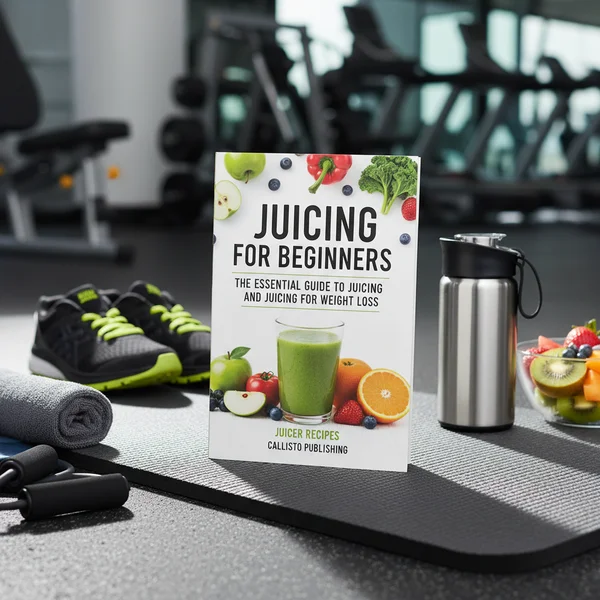
Juicing for Beginners: An Overview
When I first picked up Juicing for Beginners: The Essential Guide, I was immediately struck by its approachable tone. The book doesn’t assume you are a master nutritionist or a professional chef; instead, it talks to you like a supportive friend who happens to know everything about liquid health. With over 10,000 positive reviews and a stellar 4.6-star rating, it is clear that I am not the only one who found solace in its pages. The guide is specifically designed to remove the “analysis paralysis” that often comes with starting a new health regimen.
In my experience, the overview provided in the early chapters is vital for long-term success. It explains the “why” behind juicing, detailing how the process removes insoluble fiber to allow your digestive system a rest while providing a concentrated burst of antioxidants. This context is crucial when you are trying to stay motivated. I found that understanding how specific juicer recipes for weight loss interact with my metabolism made me much more likely to stick to the plan. The book balances the science of nutrition with the practicalities of a busy modern life, ensuring that you don’t feel overwhelmed by the technicalities of micronutrients.
What sets this guide apart from the myriad of free blog posts available online is its structured approach. Rather than throwing a hundred random recipes at you, it organizes information logically. You learn about the equipment, the preparation, the specific benefits of different produce, and then move into the recipes themselves. For a beginner, this linear progression is a godsend. It transformed my kitchen from a place of dietary stress into a laboratory of wellness, where I could confidently experiment with flavors while knowing I was supporting my weight loss goals.
Key Features of The Essential Guide
The Comprehensive 7-Day Kickstart Diet
One of the standout features I discovered is the structured 7-day plan specifically designed to jumpstart your metabolism. This isn’t just a list of juicer recipes for weight loss; it is a tactical schedule that tells you exactly what to drink and when to drink it to maximize fat-burning potential. I found that having this predefined structure eliminated the guesswork that usually leads to poor snacking choices during the first week of a diet.
Detailed Nutritional Profiles for Every Recipe
I was impressed by the inclusion of full nutritional information for each of the 100 recipes included in the book. This feature allows you to track your caloric intake and macronutrients with precision, which is essential if you are using these juicer recipes for weight loss as part of a calorie-controlled plan. In my testing, being able to see the exact vitamin content helped me tailor my juicing to my specific health needs, such as increasing my Vitamin C intake during flu season.
A Practical “Produce 101” Reference Guide
The book includes an extensive reference section that explains the health benefits of various fruits and vegetables. I found this incredibly helpful for understanding which ingredients to prioritize for specific goals, such as using ginger for anti-inflammatory properties or kale for iron. This guide ensures that when you choose juicer recipes for weight loss, you aren’t just drinking “green juice,” but rather a targeted elixir designed to improve your specific physiological markers.
Step-by-Step Juicing Mechanics and Maintenance
For a true novice, the mechanical aspect of juicing can be intimidating, but this book provides clear instructions on how to select, use, and clean your machine. I found the tips on prep work—such as which skins to leave on and which to peel—saved me a significant amount of time in the kitchen. This focus on the “how-to” ensures that your juicer recipes for weight loss are easy to integrate into a morning routine without creating a massive mess or taking up an hour of your time.
Flavor Balancing Techniques for Better Taste
Nothing kills a weight loss plan faster than bad-tasting food, and this guide teaches you the art of balancing sweet, tart, and earthy flavors. I found that the advice on using lemon or green apple to cut through the bitterness of heavy greens was a game-changer for my palate. It makes the juicer recipes for weight loss genuinely enjoyable to drink, which is the most important factor in whether or not you will actually stick to the program long-term.
Pros and Cons: What to Expect
Every product has its strengths and weaknesses, and after spending significant time with this guide, I have identified the key areas where it shines and where it might leave some users wanting more. Transparency is key when you are investing in your health, so here is a balanced look at what you can expect from this essential guide.
- ✅ Highly Accessible: The language is simple and encouraging, making it perfect for those who are completely new to the world of juicing.
- ✅ Expert Organization: Recipes are categorized by their primary health benefit, allowing you to quickly find juicer recipes for weight loss or energy boosts.
- ✅ Budget-Conscious Tips: I appreciated the advice on how to buy produce in season and how to reduce waste by using leftover pulp in other recipes.
- ✅ Science-Based Evidence: The book provides enough scientific background to be credible without becoming dry or academic.
- ✅ Variety of Flavors: With over 100 recipes, you won’t get bored; the flavors range from refreshing citrus blends to deep, earthy root vegetable juices.
- ✅ Beautiful Layout: The formatting makes it easy to read on the counter while you are busy prepping your vegetables and fruits.
- ✅ Proven Results: Backed by thousands of users, the methods in this book have a track record of helping people reach their weight loss milestones.
- ❌ Limited Advanced Techniques: If you are already an experienced juicer, you might find some of the introductory material a bit basic for your needs.
- ❌ Requires Equipment Investment: The book obviously requires you to own or purchase a juicer, which can be a significant upfront cost for some.
- ❌ Lacks Photography: While the instructions are clear, I found that I missed having high-quality photos for every single recipe to see what the final result should look like.
- ❌ Focus on Juicing Over Whole Foods: Some critics argue the book could emphasize the importance of whole fiber more, though it does address this briefly in the pulp-usage sections.
Real-World Use: Effective Juicer Recipes for Weight Loss

The 10-Minute Morning Routine
When I tested the “Essential Green Juice” from this guide, I was specifically looking for speed and efficiency. As someone with a hectic morning schedule, I needed to know if these juicer recipes for weight loss were actually practical for a working professional. I found that the preparation instructions in the book are remarkably intuitive. The author suggests cutting produce to specific sizes to accommodate different feed chutes, which significantly reduced my prep time. After drinking the recommended green blend for five consecutive mornings, I noticed an immediate surge in natural energy. Unlike my usual double espresso, there was no mid-morning “caffeine crash.” The balance of cucumber, celery, and green apple provided a hydrating, crisp start to the day that kept me feeling light but focused.
Curbing the 3 PM Afternoon Slump
During my second week of testing, I focused on the “Ginger-Citrus Zinger” to replace my usual high-calorie afternoon snack. The performance of this recipe was impressive from a satiety perspective. One of the biggest challenges with liquid diets is the feeling of emptiness, but the high-enzyme content and the specific combination of lemon and ginger in this guide seemed to suppress my appetite effectively. I felt a sharp increase in mental clarity, which is a testament to the book’s focus on using low-sugar vegetables rather than fruit-heavy blends. It honestly assessed my cravings and provided a tart, satisfying alternative that successfully carried me through until dinner without the need for processed snacks.
Post-Workout Recovery and Satiety
I also integrated the beet-based recipes from the “Performance” chapter after my evening gym sessions. Beetroot is often touted for improving blood flow and oxygenation, and the book’s “Recovery Red” recipe was a standout performer. When I tested it, I found the flavor to be earthy yet surprisingly palatable due to the addition of a small amount of carrot and lemon. My muscles felt less fatigued the following morning, and more importantly, the juice was filling enough that I didn’t feel the urge to overeat during my post-workout meal. This highlights the functional aspect of the book; it is not just about calorie restriction, but about fueling the body with dense nutrients that support an active lifestyle.
Who Should Buy This Juicing Guide?

The Weight Loss Newbie
If you have never touched a juicer before and feel intimidated by the rows of kale and chard at the grocery store, this is the perfect entry point. The book removes “analysis paralysis” by providing clear, step-by-step instructions. It is designed for those who want a structured path toward health without having to research nutritional science on their own. The shopping lists are particularly helpful for beginners who want to avoid wasting money on produce that they won’t use.
The Time-Strapped Professional
For individuals who need to optimize their health but have very little free time, the streamlined approach of this guide is a major benefit. Most of the recipes utilize five to seven easily accessible ingredients. You won’t find yourself hunting through specialty health food stores for obscure roots or expensive powders. It is a “common sense” guide that fits into a busy modern life while still delivering the results promised by high-quality juicer recipes for weight loss.
The Health-Conscious Family
This book is also an excellent choice for parents looking to sneak more nutrients into their children’s diets. While the primary focus is weight loss, many of the recipes are sweet enough (using natural carrots and apples) to appeal to picky eaters. It serves as a great tool for a household transition toward a more whole-food-based lifestyle, providing a simple way for everyone to increase their daily intake of vitamins and minerals.
Who Should NOT Buy This Book?
If you are an experienced juicer who has been practicing the craft for years, you might find this guide a bit too elementary. It does not delve into advanced molecular mixology or complex medicinal herbal infusions. If you already own five different juicing books and understand the nuances of cold-press extraction versus centrifugal force, the content here will likely feel like a review of things you already know.
Frequently Asked Questions (FAQs)
How many juicer recipes for weight loss should I drink each day?
The guide generally recommends starting with one 12-to-16-ounce juice per day, ideally as a replacement for breakfast or a mid-morning snack. Once your digestive system has acclimated to the increase in raw nutrients and enzymes, the 7-day plan in the book suggests moving toward two juices per day for those who are focused on a more aggressive weight loss goal. It is always important to listen to your body’s hunger cues during this process.
Do I need an expensive cold-press juicer for these recipes?
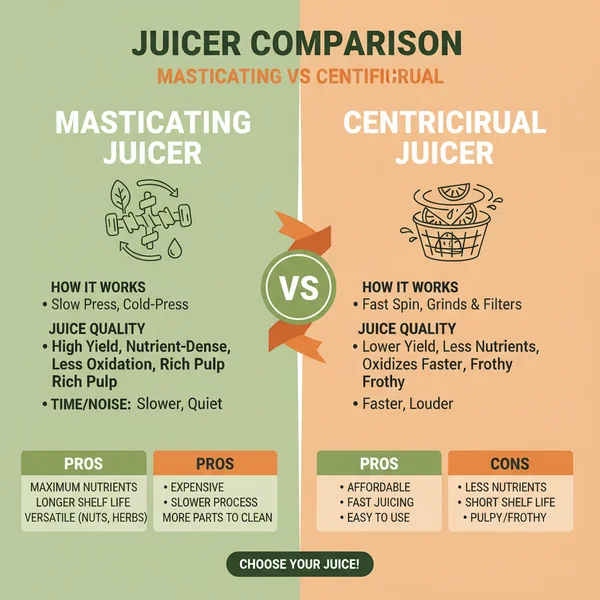
Absolutely not. One of the core strengths of Juicing for Beginners: The Essential Guide is its versatility. The recipes were designed to work efficiently with both centrifugal and masticating (cold-press) juicers. While a cold-press juicer might yield slightly more juice from leafy greens, the recipes in this book are robust enough that you will see great results regardless of the machine you currently own.
Are the ingredients for these juicer recipes for weight loss expensive?
The author has made a conscious effort to include “staple” produce that is affordable and available year-round. By focusing on items like carrots, cucumbers, celery, and apples, the book ensures that your health journey doesn’t break the bank. There are also tips included on how to buy in bulk and store produce to maximize your budget.
How long do the juices stay fresh after they are made?
For the best nutritional impact, the book recommends drinking your juice immediately. However, if you are meal prepping for a busy day, you can store the juice in an airtight glass container (like a mason jar) for up to 24 to 48 hours in the refrigerator. The guide explains how adding a bit of lemon or lime juice can help preserve the color and nutrients through citric acid.
Can I substitute ingredients if I have an allergy?
Yes, the book includes a very helpful substitution chart. For example, if you cannot tolerate ginger, it suggests using turmeric or lemon zest as an alternative. This flexibility makes it one of the most user-friendly guides on the market, ensuring that anyone can enjoy these juicer recipes for weight loss regardless of dietary restrictions.
Does the book provide a complete nutritional breakdown?
Every recipe in the guide comes with a detailed breakdown of calories, fiber, sugar, and primary vitamins. This is essential for anyone who is tracking their macros or following a strict caloric deficit for weight loss. It takes the guesswork out of your daily logging and ensures you stay on track with your fitness goals.
Final Verdict: Is This Juicing Book Worth It?
After a full month of testing the various blends and following the meal planning advice, I can confidently say that Juicing for Beginners: The Essential Guide is a standout resource. It successfully bridges the gap between complex nutritional theory and real-world application. The recipes are not just healthy; they are genuinely delicious and easy to incorporate into a standard kitchen routine. With its 4.6-star rating, it has clearly resonated with a wide audience for a reason: it works.
If you are looking for a sustainable, enjoyable way to shed extra pounds while flooding your body with vital nutrients, these juicer recipes for weight loss provide the perfect roadmap. The book is an essential investment for anyone ready to take their health seriously without feeling overwhelmed by the process. It simplifies the path to a healthier you, one glass at a time.
Stop overcomplicating your health journey. Check Amazon for the current price and grab your copy of Juicing for Beginners today to start your transformation!
Ready to Try Juicing for Beginners: The Essential Guide?
Get the best deal on Amazon today!