What to Do With Juice Pulp: Best Zero-Waste Ideas
Juice pulp is a nutritional goldmine of insoluble fiber that can be repurposed in dozens of ways. You can blend it into smoothies to restore fiber, bake it into muffins or bread, mix it into veggie burgers and meatballs, or dehydrate it into healthy crackers. It also serves as a base for stocks, soups, and even homemade dog treats. Instead of discarding this nutrient-dense byproduct, you can store it in the freezer to keep it fresh for future culinary projects.
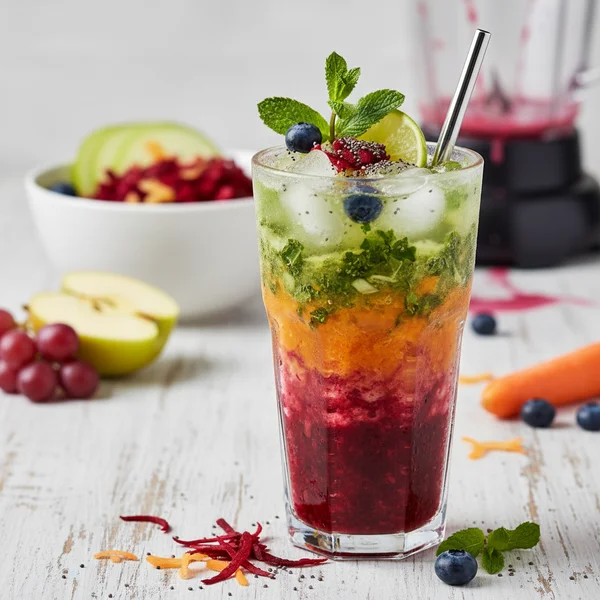
The Science and Benefits of Repurposing Juice Pulp
When you use a centrifugal or masticating juicer, the machine separates the liquid—filled with vitamins, minerals, and phytonutrients—from the solid fibrous components of the produce. While the juice provides an immediate, hydrating boost to your system, the discarded pulp contains the bulk of the plant’s insoluble fiber. Insoluble fiber is essential for digestive health, helping to regulate bowel movements and provide a sense of fullness. By throwing away the pulp, you are essentially losing half of the nutritional value of your produce.
The versatility of juice pulp depends largely on the ingredients used. Vegetable pulp from carrots, beets, celery, and kale is incredibly hearty and works well in savory dishes. For example, carrot and beet pulp add moisture and earthiness to veggie burger patties or grain bowls. On the other hand, fruit pulp from apples, pears, or citrus is naturally sweet and aromatic. This makes it an ideal addition to baked goods. When you incorporate pulp back into your diet, you are creating a more balanced nutritional profile, combining the rapid absorption of juice with the slow-burning energy of fiber.
Beyond nutrition, repurposing pulp is a sustainable practice that reduces food waste. In a modern kitchen, the goal is “root-to-stem” cooking. Using every part of the plant is not only environmentally friendly but also cost-effective. Instead of buying expensive fiber supplements, you can simply toss a handful of frozen pulp into your blender for your next morning shake. This creates a refreshing and thick texture that mimics a milkshake without the extra calories or dairy.
Creative Ways to Use Fruit and Vegetable Pulp
The application of juice pulp is limited only by your imagination. For those who enjoy a chilled snack, pulp can be mixed with yogurt or chia seeds to create a high-fiber pudding. If you have a large amount of citrus pulp, it can be dried and used as a citrusy garnish for desserts or even added to salt rubs for seasoning meats.
One of the most popular ways to use vegetable pulp is in “pulp crackers.” By mixing the fiber with flax seeds, water, and spices, and then spreading the mixture thin on a baking sheet, you can create crunchy, nutrient-dense snacks. These are perfect when served with hummus or a refreshing cucumber dip. For those who prefer sweet treats, apple and ginger pulp are world-class additions to cinnamon muffins or oatmeal cookies. The pulp keeps the baked goods moist while adding a subtle complexity to the flavor profile.
Step-by-Step Guide: How to Process and Store Juice Pulp
To get the most out of your juice pulp, you need a systematic approach to collecting and preserving it. Not all pulp is created equal, and how you handle it immediately after juicing will determine its culinary quality. Follow these steps to ensure your pulp stays fresh and ready for use.
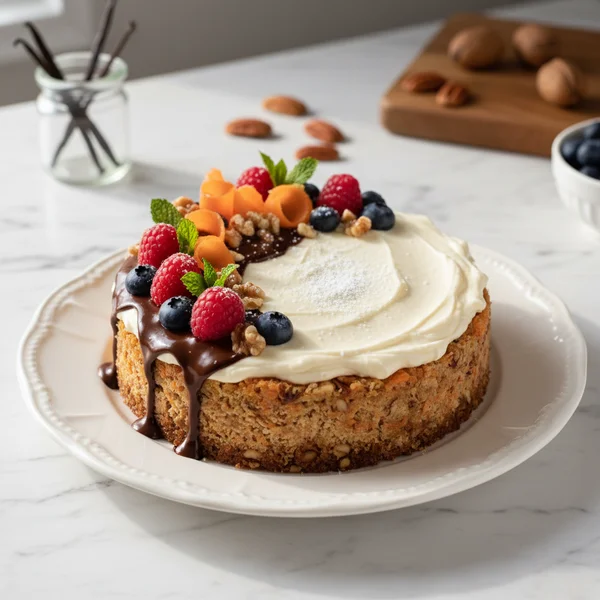
1. Separate as You Juice: If you plan on making a specific recipe, such as carrot cake, juice your carrots first and empty the pulp collector before moving on to other ingredients like kale or ginger. This allows you to have clean, “single-ingredient” pulp.
2. Squeeze Out Excess Moisture: Even the best juicers leave some moisture behind. Place your pulp in a cheesecloth or a fine-mesh strainer and squeeze. This prevents your baked goods from becoming soggy and allows the pulp to brown better when roasted.
3. The Freezing Method: If you aren’t ready to cook immediately, portion the pulp into silicone ice cube trays. Once frozen, transfer the cubes to a freezer-safe bag. These individual portions are perfect for dropping into a blender for a quick fiber boost in smoothies.
4. Dehydration for Longevity: For long-term storage, spread the pulp on a dehydrator tray or a low-heat oven (around 150°F). Once fully dried, pulse it in a blender to create a fine powder. This “fiber powder” can be stirred into soups, stews, or even flour blends to sneak extra nutrients into any meal.
5. Rehydration and Incorporation: When you’re ready to use your chilled or dried pulp, remember that it absorbs liquid. If you are adding it to a standard muffin recipe, you may need to add an extra tablespoon of water or milk to maintain the correct batter consistency.
Important Considerations for Using Juice Pulp
While juice pulp is highly beneficial, there are a few practical considerations to keep in mind to ensure your dishes turn out perfectly. The first is flavor concentration. Some vegetables, like kale, broccoli, and celery, have very strong, bitter flavors when concentrated in pulp form. Use these sparingly in sweet recipes, or balance them with strong aromatics like garlic and onion in savory dishes.
Texture is another critical factor. Pulp can be quite “stringy,” especially if it comes from celery or ginger. To avoid an unpleasant mouthfeel, it is often helpful to run the pulp through a food processor or blender before adding it to delicate batters. This breaks down long fibers into smaller, more manageable pieces that blend seamlessly into bread or muffins.
Food safety is also paramount. Juice pulp is moist and rich in sugar, making it a prime environment for bacterial growth. You should treat pulp like any other fresh produce. If you aren’t going to use it within 24 hours, it must be frozen or dehydrated. Never leave pulp sitting in the juicer at room temperature for extended periods. If you are using the pulp for pet treats, ensure that the ingredients are safe for animals; for instance, never include pulp from grapes, onions, or garlic in treats intended for dogs.
- Instant Smoothie Thickener: Add two or three frozen pulp cubes to your morning smoothie. It creates a creamy, chilled texture while making the drink more hydrating and filling.
- Savory Soup Base: Simmer veggie pulp with water and herbs to create a quick, zero-waste vegetable stock. Strain before serving for a clear broth, or blend it for a thick, hearty stew.
- Natural Food Coloring: Beet pulp can be used as a natural dye for frosting or pasta dough, providing a vibrant pink hue without synthetic chemicals.
- Garden Gold: If you truly cannot find a culinary use for your pulp, it is an excellent addition to a compost pile. It breaks down quickly and adds nitrogen to the soil, helping your next batch of garden vegetables grow.
Conclusion
Learning what to do with juice pulp is a transformative step in your wellness journey. It moves your kitchen toward a zero-waste model while significantly boosting your daily fiber intake. Whether you are using a blender to whip up a refreshing smoothie, baking a batch of chilled pulp bars, or using dried fibers as a decorative garnish, the possibilities are endless. By treating juice pulp as an ingredient rather than a waste product, you unlock new textures and flavors while honoring the full nutritional potential of your fruits and vegetables. Next time you finish juicing, reach for a storage container instead of the trash bin.
❓ Frequently Asked Questions
1
How long does juice pulp last in fridge?
Juice pulp remains fresh in the refrigerator for up to 24 to 48 hours when stored in an airtight container. Because it is moist and fibrous, it can spoil quickly. For longer storage, consider freezing it in small portions or silicone molds for up to three months.
2
Can I make juice pulp snacks ahead of time?
Yes, you can definitely prepare juice pulp snacks like crackers, muffins, or energy balls in advance. Most baked goods made with pulp will stay fresh for three to five days in an airtight container. This is a great way to meal prep healthy, high-fiber snacks for the week.
3
What can I substitute for juice pulp?
If a recipe calls for juice pulp and you do not have any, you can substitute it with applesauce, mashed bananas, or finely grated zucchini. These alternatives provide a similar moisture content and bulk, though the fiber profile and specific flavor will vary depending on which replacement you choose.
4
How do I know when juice pulp crackers are done?
You can tell pulp crackers are finished when they are completely firm to the touch and snap easily. They should have a light golden-brown color around the edges. If they feel soft or pliable in the center, continue dehydrating or baking them at a low temperature until fully crisp.
5
Can I freeze juice pulp?
Freezing juice pulp is an excellent way to preserve it for future use in soups, stews, or morning smoothies. Simply portion the pulp into freezer-safe bags or containers. When you are ready to use it, just toss the frozen chunks directly into your blender for a quick boost.