Best Fruit Juice for Hangover: Ultimate & Refreshing
Waking up after a night of celebration often comes with a pounding headache, a dry mouth, and a general sense of regret. While time is the only true cure, selecting the best fruit juice for hangover symptoms can significantly accelerate your recovery process. Alcohol acts as a diuretic, stripping your body of essential fluids and electrolytes while simultaneously dropping your blood sugar levels. In this guide, we dive deep into the most effective liquid remedies to help you bounce back. From electrolyte-rich tropical blends to antioxidant powerhouses, you will discover which juices soothe the stomach and which ones provide the glucose spike your brain desperately needs to stop the spinning.
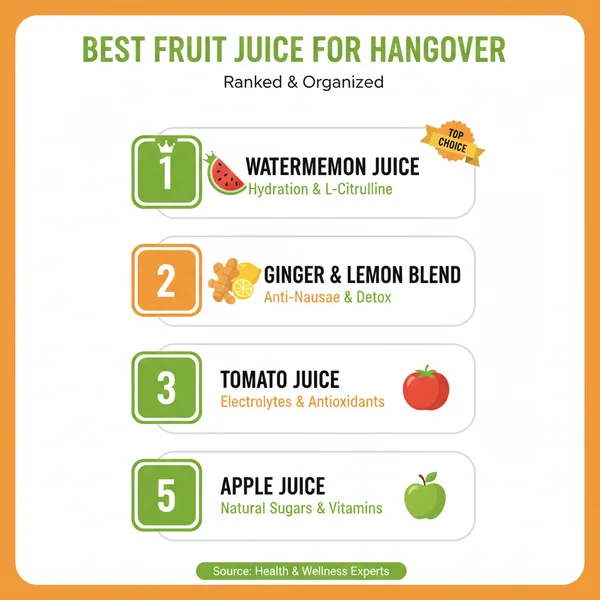
- Watermelon Juice (The Hydration King)
- Orange Juice (Vitamin C & Glucose Boost)
- Tomato Juice (Electrolyte Restoration)
- Coconut Water (Nature’s Sports Drink)
- Korean Pear Juice (The Scientific Preventative)
- Apple Juice (Gentle Rehydration)
- Pineapple Juice (Anti-Inflammatory Bromelain)
- Pomegranate Juice (Antioxidant Powerhouse)
- Grapefruit Juice (Liver Support)
- Lemon & Ginger Juice (Nausea Relief)
The Complete List: Top Juices for Hangover Recovery
#1: Watermelon Juice
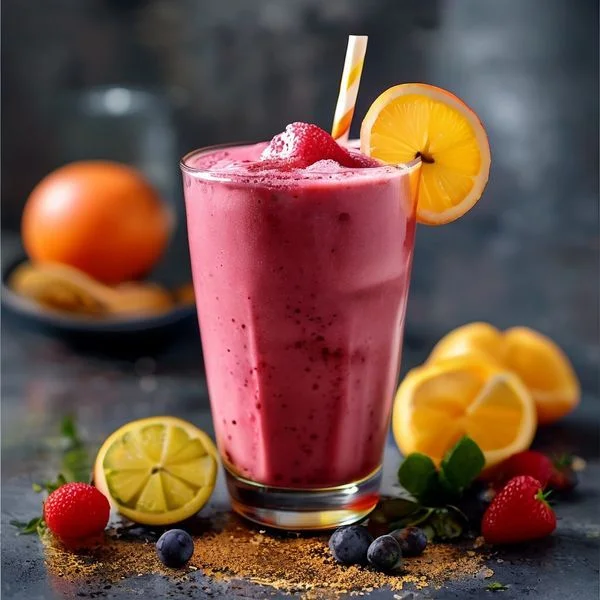
Watermelon juice consistently ranks as the best fruit juice for hangover relief because of its incredible water content and amino acid profile. When you consume watermelon, you aren’t just hydrating; you are also ingesting L-citrulline, an amino acid that may increase blood flow and help reduce the duration of a headache. For the most refreshing experience, take fresh watermelon chunks and toss them into a blender with a few cubes of ice. The result is a chilled, pulp-free liquid that is easy on a sensitive stomach. Serving it frozen as a slushie can also help soothe a sore throat or provide relief from a feverish feeling often associated with alcohol withdrawal.
#2: Orange Juice
Classic orange juice is a staple for a reason. Alcohol consumption often leads to a drop in blood sugar, which contributes to fatigue and shakiness. Orange juice provides a rapid spike in natural fructose to stabilize these levels. Furthermore, the high concentration of Vitamin C acts as an antioxidant, helping the liver neutralize the toxins produced during alcohol metabolism. For the best results, avoid juices with added sugars which can lead to a secondary “sugar crash.” Serve it heavily chilled over ice to dampen the acidity if your stomach feels sensitive. A small sprig of mint as a garnish can also help settle any lingering nausea as you sip.
#3: Tomato Juice
If you prefer a savory start to your recovery, tomato juice is an elite choice. Often referred to as a “Virgin Mary” when prepared without alcohol, it is packed with lycopene and potassium. Alcohol depletes potassium, leading to muscle cramps and weakness. Tomato juice replenishes these electrolytes quickly. To make it more palatable, use a blender to mix in a squeeze of lemon and a dash of hot sauce. Always serve it chilled to keep the flavor profile crisp. While it might not be as sweet as other options, its ability to rebalance your body’s pH makes it a strong contender for the best fruit juice for hangover recovery.
#4: Coconut Water
While technically the liquid found inside a nut, coconut water is often categorized with fruit juices due to its nutritional profile. It is arguably the most hydrating liquid on this list, containing five essential electrolytes: potassium, magnesium, calcium, sodium, and phosphorus. When your body is in a state of dehydration, coconut water acts like a natural IV drip. It is best enjoyed chilled directly from the fridge. For a more “gourmet” recovery drink, mix it in a blender with frozen pineapple chunks. This creates a refreshing beverage that tastes like a vacation while doing the hard work of restoring your cellular fluid balance.
#5: Korean Pear Juice
Scientific studies have highlighted Korean pear juice (also known as Nashi pear) as a potent hangover remedy. It contains enzymes that specifically target alcohol metabolism, helping to break down acetaldehyde—the toxic byproduct of alcohol—more efficiently. To get the maximum benefit, this juice is often recommended before you start drinking, but it remains highly effective the morning after. It has a light, refreshing sweetness that isn’t cloying. If you can’t find it fresh, look for the frozen or canned versions in Asian grocery stores. Serve it over crushed ice with a lemon slice garnish to brighten the subtle flavor and maximize its hydrating properties.
#6: Apple Juice
Apple juice is often the best fruit juice for hangover sufferers who have extremely sensitive stomachs. It is less acidic than citrus juices, making it easier to keep down if you are experiencing “the shakes” or nausea. The high fructose content provides a gentle energy boost, helping your brain clear the “fog” associated with a late night. For an extra boost, try making a “green apple” juice in your blender with a bit of spinach; the added chlorophyll helps detoxify the bloodstream. Always ensure the juice is chilled, as room-temperature juice can sometimes taste overly sweet and trigger a gag reflex when you’re feeling unwell.
#7: Pineapple Juice
Pineapple juice is a secret weapon for hangover recovery due to an enzyme called bromelain. Bromelain has powerful anti-inflammatory properties that can help reduce the systemic inflammation caused by heavy drinking. It is also incredibly high in Vitamin C and manganese. Because pineapple juice can be quite thick and acidic, many people prefer to dilute it with sparkling water or coconut water. You can also use frozen pineapple chunks in a blender to create a thick, hydrating slushie. A sprig of cilantro or mint as a garnish adds a refreshing herbal note that cuts through the intense sweetness, making it easier to sip throughout the morning.
#8: Pomegranate Juice
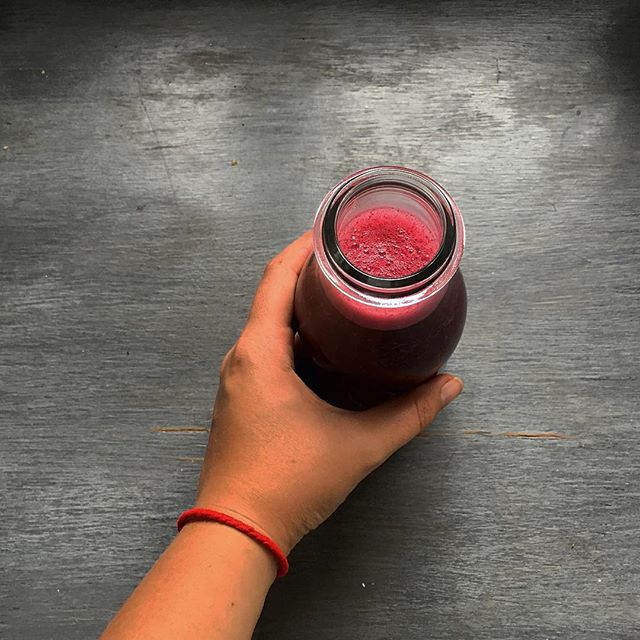
Pomegranate juice is the choice for those who want a heavy hit of antioxidants. Alcohol causes oxidative stress in the body, and the polyphenols in pomegranate juice help combat this damage. While it has a slightly tart flavor, it is exceptionally refreshing when served very chilled. Some find that the tannins in pomegranate juice help settle a “sour” stomach. To make it more approachable, mix it with a little bit of ice and a splash of lime juice. The dark pigment of the juice is a visual reminder of the nutrient density you are providing your liver as it works overtime to process the previous night’s toxins.
#9: Grapefruit Juice
Grapefruit juice is often touted for its ability to “kickstart” the liver. It contains naringenin, a flavonoid that may help the liver burn fat and process toxins. However, a word of caution: grapefruit juice can interact with certain medications, so check your prescriptions before reaching for this one. If you are cleared to drink it, its bitter-sweet profile is incredibly refreshing and effective at waking up the senses. Use a blender to whip it with frozen berries for a Vitamin C-packed smoothie. Serve it in a tall glass with a salt rim garnish to help replenish lost sodium and make the hydrating process feel a bit more like a treat.
#10: Lemon & Ginger Juice
Technically a “functional” juice, the combination of fresh lemon and ginger is the ultimate remedy for hangover-induced nausea. Lemon provides the alkalizing Vitamin C, while ginger contains gingerols that settle the digestive tract. This is best prepared by putting a knob of fresh ginger and a whole peeled lemon through a juicer or blender. Since it is very concentrated, dilute it with plenty of chilled water and ice. It isn’t as high in sugar as orange or apple juice, making it a refreshing, low-calorie option for hydrating without the risk of a sugar spike. It is the perfect “first step” before moving on to heavier recovery foods.
How to Choose the Best Hangover Juice
When selecting the best fruit juice for hangover symptoms, your choice should depend on your primary symptom. If you are suffering from extreme dehydration and muscle aches, prioritize hydrating options like coconut water or watermelon juice. These provide the electrolytes necessary to pull water back into your cells. If your main issue is a “brain fog” or fatigue, a juice higher in natural sugars, such as orange or apple juice, will provide the glucose your brain is craving.
Furthermore, consider the acidity. If you are struggling with heartburn or an upset stomach, avoid highly acidic juices like grapefruit or lemon in high concentrations. Instead, opt for pear or apple juice. Always look for “100% juice” labels to avoid inflammatory high-fructose corn syrup. If possible, use a blender to make your own juice from frozen or fresh fruit; this ensures you keep some of the fiber and avoid the preservatives found in shelf-stable cartons. The temperature also matters; chilled drinks are generally more soothing to an inflamed digestive system than room-temperature liquids.
- The “Sip, Don’t Gulp” Rule: Drink your juice slowly. Chugging a large glass of sugary juice can cause your stomach to cramp. Small, chilled sips are more effective for hydrating.
- Salt is Your Friend: Add a tiny pinch of sea salt to your fruit juice. This helps your body retain the fluids and replaces the sodium lost through alcohol’s diuretic effect.
- The Blender Secret: If the juice is too sweet, blend it with ice and a handful of spinach. You get the benefits of the fruit without the overwhelming sugar hit.
Conclusion
Finding the best fruit juice for hangover recovery is about balancing hydration, blood sugar, and stomach comfort. While watermelon juice is our top recommendation for its dual action of hydrating and increasing blood flow, every item on this list offers unique benefits. If you are feeling particularly nauseous, start with the lemon and ginger blend. If you simply need to wake up and feel human again, a tall, chilled glass of orange juice is your best bet. Remember to keep your drinks cold, add a little ice, and be patient with your body as it heals.
❓ Frequently Asked Questions
1
How long does hangover juice last in fridge?
This juice is best consumed immediately for maximum nutrient absorption and flavor. However, you can store it in an airtight container for up to 24 hours. Shake well before drinking as separation is natural. Keep it chilled to maintain its refreshing quality and prevent loss of vital vitamins.
2
Can I make hangover juice ahead of time?
While you can make it the night before, fresh is always better for hangover recovery. If you do prep ahead, store it in the coldest part of your fridge. The ginger and citrus flavors may intensify, which can be helpful for nausea, but some vitamin C may degrade.
3
What can I substitute for watermelon?
If watermelon isn’t in season, cucumber is an excellent hydrating substitute. It provides a similar water content and cooling effect. Alternatively, pineapple works well for its digestive enzymes, though it is more acidic. Ensure you maintain the coconut water base for those essential recovery electrolytes and natural minerals.
4
How do I know when the juice is done?
The juice is ready when the watermelon and ginger are completely pulverized by the blender, resulting in a vibrant, uniform liquid. There should be no large chunks of ice or ginger left. If you prefer a thinner consistency, you can strain it, but the pulp contains beneficial nutrients.
5
Can I freeze this juice?
Yes, you can freeze this mixture into ice cubes or popsicles. This is a great way to have hangover relief ready at a moment’s notice. Simply pop a few cubes into a glass or suck on a juice popsicle to hydrate and soothe your throat simultaneously.