Why is My Orange Juice Fizzy? Expert Guide
If your orange juice is fizzy, it is likely due to fermentation caused by wild yeast or bacteria consuming the sugars in the juice and releasing carbon dioxide. This typically happens when juice is past its prime or has been left at room temperature. However, if the juice was recently mixed in a high-speed blender, the “fizz” might simply be aeration. If the fizz is accompanied by a sour smell or a bulging carton, the juice has spoiled and should be discarded immediately to avoid illness.

Why Is My Orange Juice Fizzy? A Deep Dive into Spoilage and Aeration
When you pour a glass of what you expect to be a refreshing and hydrating drink, the last thing you want is a mouthful of unexpected bubbles. There are two primary reasons why orange juice develops a fizzy texture: microbial fermentation and mechanical aeration. Understanding the difference between these two is critical for your health and your taste buds.
The Science of Fermentation
The most common reason for fizzy orange juice is fermentation. Orange juice is naturally high in fructose and glucose—the very sugars that wild yeasts and certain bacteria crave. When these microorganisms find their way into the juice, they begin to break down the sugars. The byproduct of this chemical reaction is ethanol (alcohol) and carbon dioxide (CO2). It is this carbon dioxide that creates the tiny bubbles, giving the juice a carbonated or “fizzy” sensation on the tongue. This process is essentially how hard cider or wine is made, but when it happens unintentionally in your juice carton, it indicates that the beverage is no longer safe for consumption.
The Role of Temperature and Storage
Storage conditions play a massive role in how quickly juice becomes fizzy. If juice is not kept properly chilled, the metabolic rate of these microorganisms increases exponentially. While pasteurization kills most pathogens, it does not make the juice invincible. Once the seal is broken, environmental yeasts enter the container. If the juice is left on the counter or if your refrigerator is not cold enough, the fermentation process can begin within hours.
Mechanical Aeration via Blender
On the other hand, if you have just prepared a homemade juice or smoothie using a blender, the fizziness may be benign. High-speed blades incorporate millions of tiny air bubbles into the liquid. This results in a frothy, foamy, and slightly bubbly texture that is perfectly safe to drink. This type of fizz will usually settle after a few minutes, whereas fermented fizz remains persistent and is often accompanied by a sharp, “boozy” aroma.
How to Determine if Your Fizzy Juice is Safe
If you are staring at a glass of bubbly orange juice and wondering whether to take a sip, follow this systematic guide to determine its safety. Safety should always come first when dealing with unpasteurized or older citrus products.
Step 1: Inspect the Packaging
Before even pouring the juice, look at the container. Is the plastic bottle or carton bulging or “bloated”? This is a definitive sign of fermentation. The carbon dioxide produced by the yeast has built up pressure inside the sealed container, causing it to expand. If you notice a “pop” or a hiss of gas when opening the lid, the juice has definitely fermented.
Step 2: The Visual Foam Test
Pour the juice into a clear glass. Observe the bubbles. Aeration bubbles from a blender are usually larger and found mostly at the surface in the form of foam. Fermentation bubbles are much smaller, similar to those in champagne, and they will continue to rise from the bottom of the glass long after the juice has been poured.
Step 3: The Scent Profile
Fresh orange juice should smell sweet, citrusy, and bright. If the juice has a vinegary, sour, or alcohol-like scent, it has spoiled. Yeast fermentation creates a distinct smell often compared to beer or rotting fruit. If the scent is off, do not attempt to taste it.
Step 4: Check the Texture and Clarity
If the juice appears unusually cloudy or if there are white sediment clumps (which could be yeast colonies or mold), it is a clear sign of spoilage. While pulp is normal, “stringy” or “slimy” textures are indicative of bacterial growth.
Step 5: How to Make a Safe “Sparkling” Alternative
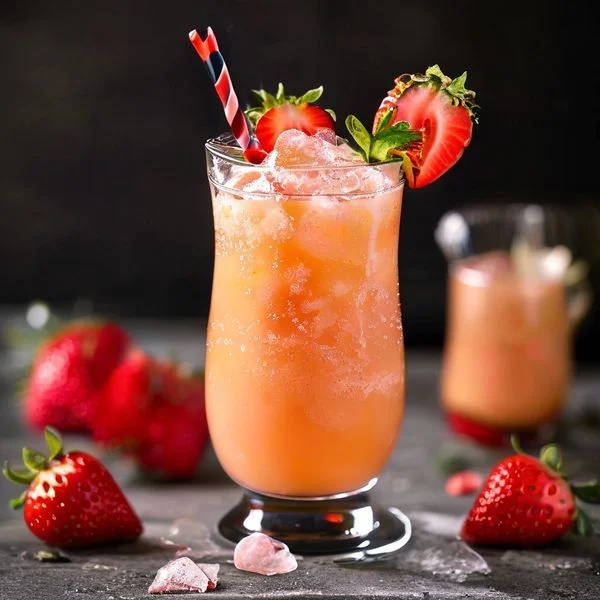
If you crave that fizzy sensation but want to stay safe, don’t rely on spoiled juice. Instead, create a refreshing mocktail. Fill a glass with ice, fill it halfway with fresh orange juice, and top it off with sparkling mineral water. Add a fresh orange slice as a garnish for a professional touch. This gives you the hydrating benefits of OJ with a safe, intentional fizz.
Important Considerations for Juice Safety and Quality
When dealing with citrus beverages, there are several nuances regarding shelf life and microbial safety that every consumer should know. Avoiding common mistakes can prevent a nasty case of food poisoning.
Fresh Squeezed vs. Store Bought
Freshly squeezed orange juice is significantly more prone to becoming fizzy than store-bought varieties. Store-bought juice is typically pasteurized (heated to kill microbes) and often contains preservatives like citric acid to maintain a low pH. Fresh juice, however, is a “living” product full of enzymes and natural microflora. If you squeeze your own juice, it is best to drink it immediately or keep it strictly frozen if not consuming it within 24 to 48 hours.
The Danger of Pathogens
While yeast fermentation is the most common cause of fizz, it isn’t the only thing that can grow in juice. Harmful bacteria like E. coli or Salmonella can also thrive in acidic environments if the fruit was contaminated during harvesting or processing. While these bacteria don’t always produce gas (fizz), their presence is often accompanied by the same conditions that allow yeast to grow. Drinking fermented juice can lead to upset stomach, diarrhea, and vomiting.
Best Practices for Longevity
To keep your juice from turning into an accidental science project, always store it in the coldest part of the refrigerator—usually the back of the bottom shelf, rather than the door. The door is the warmest part of the fridge and is subject to temperature fluctuations every time you open it. Furthermore, never drink directly from the carton, as the bacteria from your mouth can accelerate the spoilage process.
- Keep it Chilled: Always store orange juice at or below 40°F (4°C) to slow down the natural fermentation process.
- Freeze for Later: If you have too much juice, pour it into an airtight container and keep it frozen; it can last for several months this way.
- The Blender Trick: If your juice is too thick, pulse it in a blender with a few cubes of ice for a frothy, refreshing slushie texture.
- Watch the Date: “Use by” dates are quality indicators, but once the juice is open, it typically only stays fresh for 7 to 10 days.
- Hydrating Garnish: Add a sprig of mint or a slice of lime as a garnish to enhance the hydrating properties and flavor of your morning drink.
Conclusion: Enjoying Your Juice Safely
In summary, while a fizzy sensation might be desirable in a soda, it is generally a red flag in your orange juice. Unless you have intentionally aerated the liquid in a blender or mixed it with sparkling water, fizz is a sign of microbial activity and fermentation. To ensure you stay hydrating and healthy, always prioritize juices that are properly chilled and show no signs of bloating or off-odors. By following the inspection steps and storage tips outlined above, you can enjoy the refreshing taste of citrus without the risks associated with spoilage. When in doubt, throw it out!
❓ Frequently Asked Questions
1
How long does orange juice last in fridge?
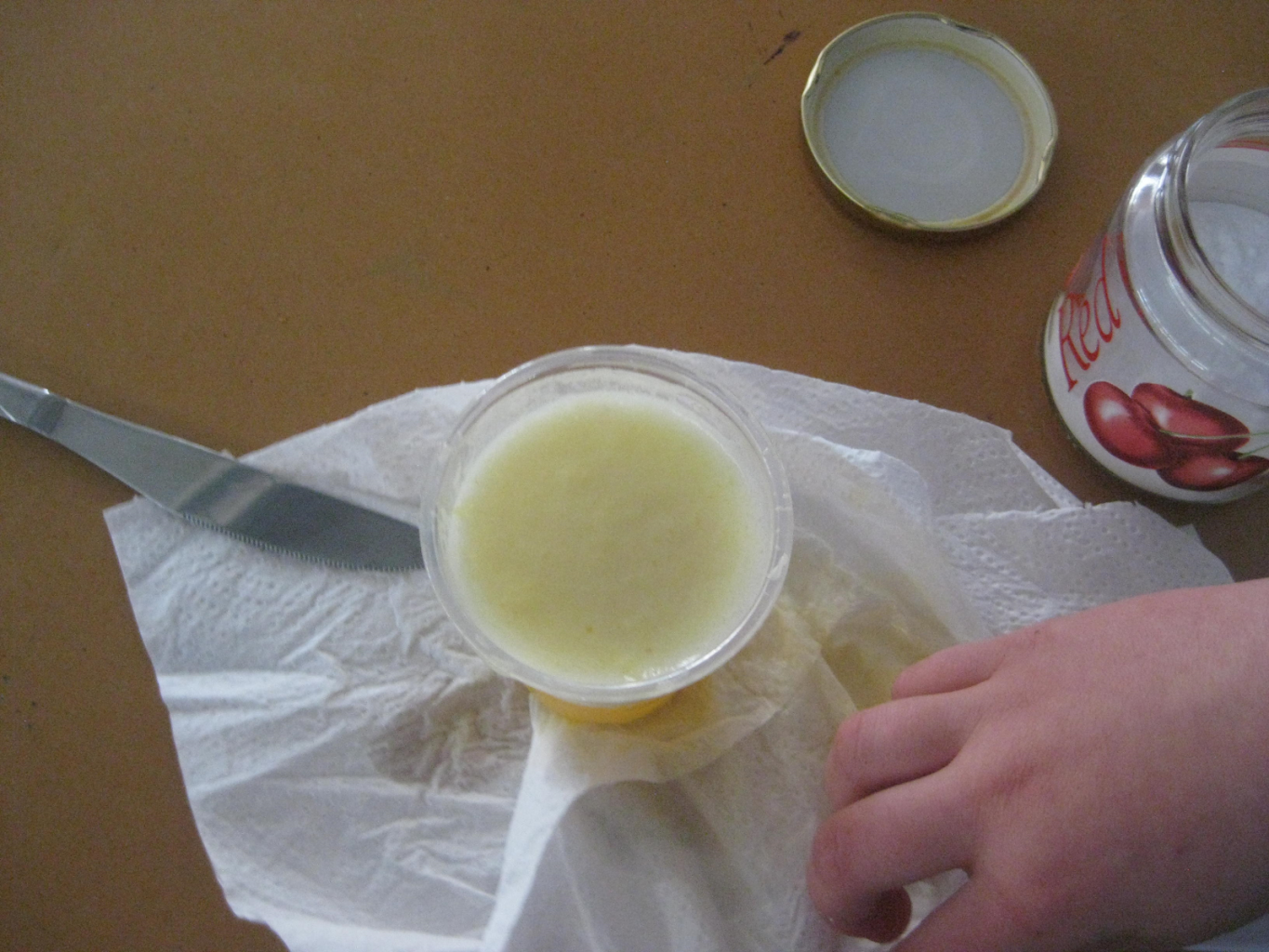
Freshly squeezed orange juice typically lasts for about 2 to 3 days when stored in an airtight container in the refrigerator. Unlike store-bought versions, it lacks preservatives, making it more susceptible to rapid fermentation. Always check for a sour smell or a fizzy sensation on the tongue before drinking.

2
Can I make orange juice ahead of time?
You can make orange juice ahead of time, but it is best consumed within two days for maximum nutrient density and flavor. To preserve its refreshing taste, store it in a glass bottle with minimal headspace to reduce oxidation and keep it consistently chilled at the back of the fridge.
3
What can I substitute for fresh oranges?
If you lack fresh oranges, you can substitute with frozen orange juice concentrate or other citrus fruits like tangerines or clementines. While the flavor profile changes slightly, these alternatives still provide a hydrating, vitamin-C-rich base that works well when blended with ice and water for a quick beverage.
4
How do I know when orange juice is done?
Orange juice is ready once you have extracted all the liquid from the fruit and strained it to your preferred consistency. For a chilled treat, process it in a blender with ice. It should have a vibrant color, a sweet-tart aroma, and absolutely no carbonation or fizzy bubbles.
5
Can I freeze orange juice?
Yes, orange juice freezes very well for up to four months in an airtight container. Pour it into freezer-safe containers or ice cube trays for easy portioning later. Thaw it in the refrigerator before use; you may need to give it a quick stir to recombine the citrus solids.