Cold Pressed Beet Juice Recipe: Refreshing & Healthy
There is something truly magical about the vibrant, deep crimson hue of a freshly made batch of cold pressed beet juice. If you are looking for a beverage that is as visually stunning as it is revitalizing, you have found your new favorite morning ritual. This recipe offers a sophisticated balance of earthy sweetness from the beets, a sharp zing from fresh ginger, and a crisp finish from gala apples. It is the perfect choice for anyone seeking a natural energy boost or a way to incorporate more root vegetables into their diet. Whether you are a seasoned juicing enthusiast or a curious beginner, this refreshing drink will win you over with its clean taste and incredibly smooth texture.
- ⏱️ Prep Time: 10 minutes
- 🍳 Cook Time: 0 minutes
- 👥 Servings: 2 servings
- 📊 Difficulty: Easy
Ingredients for the Ultimate Beet Juice
To ensure the best flavor and a truly hydrating experience, try to source organic produce whenever possible. The quality of your vegetables directly impacts the sweetness and clarity of the final juice.
- 💧 2 medium organic red beets (scrubbed and trimmed)
- 💧 3 large carrots (peeled for a smoother taste)
- 💧 1 large Fuji or Gala apple (cored and sliced)
- 💧 1-inch knob of fresh ginger (peeled)
- 💧 1/2 organic lemon (peeled, white pith removed)
- 💧 1/2 cup filtered water (only if using the blender method)
- 💧 Fresh mint leaves for garnish
- 💧 Handful of ice cubes for serving
Step-by-Step Instructions
1. Begin by preparing your workspace and your produce. Thoroughly wash the beets, carrots, and apple under cool running water. Since beets grow in the earth, they often carry a bit of grit in their stems, so use a vegetable brush to scrub them clean. You do not necessarily need to peel the beets if the skin is thin, but peeling the carrots and ginger will result in a much brighter, less bitter flavor profile.
2. Once cleaned, chop your vegetables into sizes that are appropriate for your equipment. If you are using a high-speed blender, you will want to dice the beets and carrots into one-inch cubes to help the blades catch the fiber more easily. If you are using a dedicated cold press juicer, you can leave the pieces larger, depending on the width of your machine’s feed chute.
3. For those using the blender method to achieve a cold pressed result, place the chopped beets, carrots, apple, ginger, and lemon into the blender jar. Add half a cup of very cold filtered water. This small amount of liquid acts as a primer, allowing the blades to create a vortex without heating up the ingredients. High heat can destroy sensitive enzymes, so using chilled water is essential for maintaining that cold pressed quality.
4. Secure the lid on your blender and start on the lowest speed setting. Gradually increase to medium-high for about 45 to 60 seconds. You are looking for a thick, homogenous puree. Do not over-blend, as the friction from the blades can raise the temperature of the liquid. The goal is to break down the cell walls of the vegetables to release their precious liquid while keeping the mixture cool.
5. Prepare a large glass bowl and a high-quality nut milk bag or a fine-mesh strainer lined with several layers of cheesecloth. Carefully pour the beet puree from the blender into the bag. This is where the pressing happens. Squeeze the bag firmly with clean hands, applying steady pressure to extract every drop of juice into the bowl. Continue until the pulp inside the bag feels dry to the touch. This manual pressing ensures you get a silky, pulp-free drink that mimics the results of expensive commercial presses.
6. If you are using a dedicated slow masticating juicer, simply feed the prepared pieces through the machine one by one. Start with the harder vegetables like beets and carrots, and finish with the softer apple and lemon. The slow rotation of the auger will naturally press the juice out while separating the dry pulp into a different container.
7. Once you have your extracted liquid, give it a quick stir. Taste the juice to check the balance. If the beets are particularly earthy, you might want to add a squeeze of extra lemon to brighten the flavor. If you prefer a sweeter profile, you can blend in a few slices of frozen pear or an extra half of an apple.
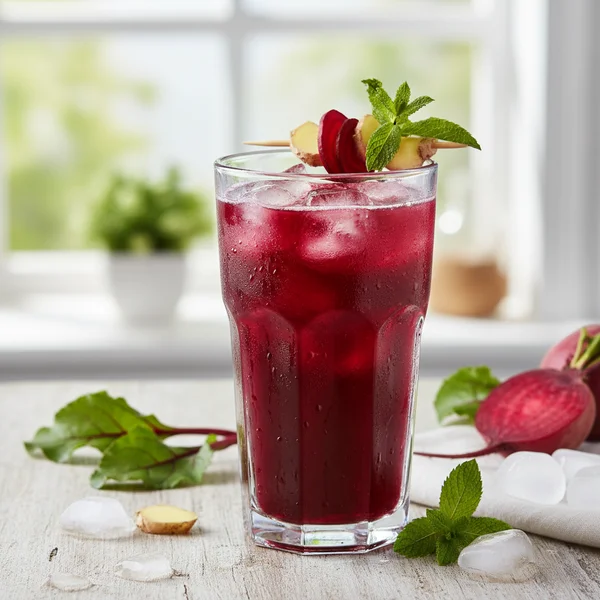
8. Preparation for serving is key to the overall experience. This juice is best enjoyed when it is thoroughly chilled. You can place the juice in the refrigerator for about 20 minutes, or for an immediate refreshing treat, fill two tall glasses with fresh ice. Pour the vibrant liquid over the ice and watch the beautiful swirls of magenta fill the glass.
9. To finish the drink, add a garnish of fresh mint or a thin slice of lemon on the rim. The aromatic scent of the mint complements the earthy notes of the beet perfectly, making every sip a multi-sensory experience. Serve immediately while the nutrients are at their peak and the juice is perfectly hydrating.
To keep your juice as cold as possible during the extraction process, you can use frozen ginger or even slightly frozen carrot coins. This prevents any heat from the blender motor from affecting the juice. Additionally, don’t throw away the leftover pulp! You can incorporate the beet and carrot fiber into muffin batters, veggie burger patties, or even compost it for your garden.

Variations & Substitutions
This cold pressed beet juice recipe is incredibly versatile and can be adapted to suit various dietary needs and flavor preferences. For a low-sugar version, you can substitute the apple with a large cucumber. This will increase the hydrating properties of the drink while significantly lowering the glycemic load. If you are a fan of greens, try adding a handful of kale or spinach into the blender; the sweetness of the beet is usually strong enough to mask the bitterness of the leaves. For those who enjoy a bit of spice, a pinch of cayenne pepper or an extra inch of ginger can provide a warming finish. This recipe is naturally vegan, gluten-free, and paleo-friendly, making it a safe and delicious option for almost any lifestyle.
Storage & Make Ahead Instructions
While fresh juice is best consumed immediately to take advantage of the live enzymes, you can store it if necessary. Pour any leftover juice into an airtight glass jar, filling it all the way to the top to minimize oxygen exposure, which causes oxidation. It will stay fresh in the refrigerator for up to 48 hours. If you want to make this ahead of time for a busy week, you can freeze the juice in silicone ice cube trays. Once frozen, transfer the cubes to a freezer bag. When you are ready for a refreshing drink, simply pop a few cubes into a glass and let them melt, or blend them for a chilled beet slushie.
Nutrition Information
Beets are a powerhouse of nutrition, known for their high concentration of nitrates which may help support healthy blood pressure levels. This juice is also rich in Vitamin C, potassium, and folate. By cold pressing the ingredients, you preserve these heat-sensitive vitamins and minerals. Because it is highly hydrating and packed with natural electrolytes, it serves as an excellent post-workout recovery drink or a mid-afternoon pick-me-up. One serving contains approximately 120 calories, zero fat, and a significant amount of dietary fiber if some of the pulp is retained, though this recipe focuses on a smooth, pressed finish for quick absorption. Enjoy this liquid sunshine and feel the difference that fresh, whole ingredients can make in your daily routine.
❓ Frequently Asked Questions
1
How long does beet juice last in fridge?
Cold pressed beet juice typically stays fresh for 48 to 72 hours when stored in an airtight glass container. For the best flavor and maximum nutrient retention, try to consume it within the first 24 hours. Always give it a good shake before drinking as settling occurs naturally in the jar.

2
Can I make beet juice ahead of time?
Yes, you can prepare this juice ahead of time, though it is best enjoyed fresh. If making it in advance, fill your container to the very top to minimize oxygen exposure, which causes oxidation. Store it immediately in the coldest part of your refrigerator for up to three days.
3
What can I substitute for green apples?
If you prefer a different sweetness profile, substitute green apples with carrots or pears. Carrots add a lovely earthiness and extra vitamins, while pears provide a softer sweetness. For a lower-sugar option, use cucumber or extra celery to maintain the hydrating properties of this refreshing beverage without adding extra fruit.
4
How do I know when beet juice is done?
Since this is a beverage, the juice is ready as soon as all ingredients have passed through your juicer or have been blended and strained. Look for a vibrant, deep red color and a smooth consistency. Taste a small sip to ensure the ginger and lemon balance the earthy beet.
5
Can I freeze beet juice?
You can freeze beet juice to extend its shelf life for up to three months. Pour the juice into silicone ice cube trays for easy portioning. Once frozen, transfer the cubes to a freezer bag. This is a great way to add a nutrient boost to future smoothies or drinks.