What to Do With Leftover Pumpkin: Ultimate Guide
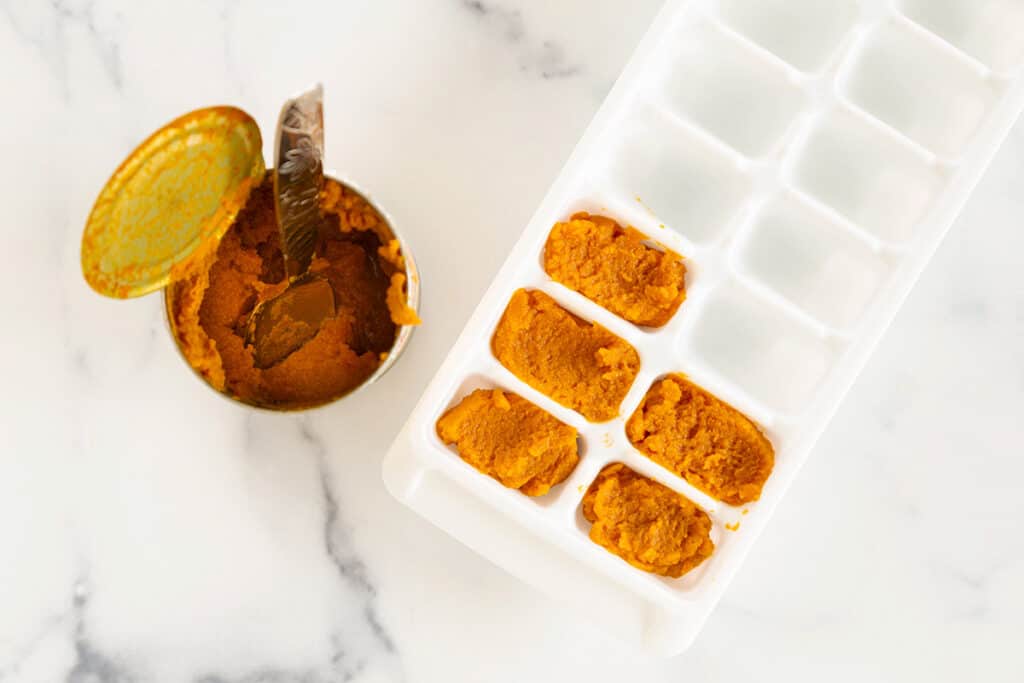
Leftover pumpkin, whether in the form of puree or fresh chunks, can be utilized in various culinary applications ranging from savory soups and creamy pasta sauces to sweet muffins, pancakes, and nutrient-dense smoothies. To preserve its quality, store leftover puree in an airtight container in the refrigerator for up to five days or freeze it in measured portions using ice cube trays for up to three months. Fresh chunks can be roasted, pickled, or added to hearty vegetable stews to reduce food waste and enhance nutritional intake.

Understanding the Versatility of Leftover Pumpkin
Pumpkin is a culinary powerhouse that often suffers from seasonal stereotyping. While many associate it exclusively with holiday pies, its profile is remarkably adaptable. The texture of pumpkin puree serves as an excellent fat replacer in baking, while its earthy sweetness balances the heat in spicy ethnic dishes. From a nutritional perspective, pumpkin is rich in beta-carotene, Vitamin A, and dietary fiber, making it a healthy addition to almost any meal.
When deciding what to do with leftover pumpkin, the first step is identifying the state of the ingredient. If you have leftover canned puree, you are holding a concentrated source of moisture and flavor that can be whisked into oatmeal, stirred into yogurt, or used to thicken a turkey chili. If you have fresh, raw pumpkin remains from carving or a decorative display, you have a firm vegetable that responds well to high-heat roasting or slow-simmering in a curry.
Scientifically, pumpkin contains a high water content (nearly 90%), which means it helps keep baked goods moist without the need for excessive oils. Furthermore, its natural pectins act as a thickening agent, which is why a few tablespoons of leftover puree can transform a thin broth into a velvety bisque. Because it is relatively neutral compared to other winter squashes like butternut or acorn, it takes on the flavor of its companions—be it cinnamon and nutmeg for a dessert or garlic and sage for a savory dinner.
Step-by-Step Recipe: Savory Leftover Pumpkin Pasta Sauce
One of the most efficient ways to use a substantial amount of leftover pumpkin puree (about 1 to 2 cups) is by creating a rich, autumnal pasta sauce. This recipe is designed to be quick, nutritious, and family-friendly.
Prep time: 10 minutes
Cooking time: 15 minutes
Servings: 4
Calories: 340 per serving
Ingredients
- 12 oz of your favorite pasta (penne or rigatoni works best)
- 1.5 cups leftover pumpkin puree (unsweetened)
- 1 cup vegetable or chicken broth
- 1/2 cup heavy cream or full-fat coconut milk
- 3 cloves garlic, minced
- 1 small shallot, finely diced
- 1 tablespoon olive oil
- 1 teaspoon dried sage or 5 fresh sage leaves
- 1/2 teaspoon ground nutmeg
- Salt and black pepper to taste
- 1/2 cup grated Parmesan cheese (optional)
Instructions
- Boil the Pasta: Bring a large pot of salted water to a boil. Cook the pasta according to the package instructions until al dente. Reserve 1/2 cup of the pasta water before draining.
- Sauté Aromatics: In a large skillet, heat the olive oil over medium heat. Add the diced shallots and cook for 3 minutes until translucent. Add the minced garlic and sage, sautéing for another 60 seconds until fragrant.
- Create the Base: Stir in the leftover pumpkin puree and the vegetable broth. Use a whisk to combine until the mixture is smooth. Let it simmer gently for 5 minutes.
- Incorporate Cream and Spices: Lower the heat and stir in the heavy cream (or coconut milk). Add the nutmeg, salt, and pepper. The sauce should become a beautiful, vibrant orange.
- Combine: Add the cooked pasta directly into the skillet with the sauce. If the sauce is too thick, add the reserved pasta water one tablespoon at a time until the desired consistency is reached.
- Finish and Serve: Stir in the Parmesan cheese until melted. Serve immediately while hot, perhaps garnished with toasted pumpkin seeds (pepitas) for extra crunch.
Creative Culinary Applications for Extra Pumpkin
Beyond pasta, there are dozens of ways to integrate pumpkin into your daily diet. If you have very small amounts left—think two or three tablespoons—consider these “micro-uses.” Stir a spoonful into your morning coffee with a dash of cinnamon for a homemade pumpkin spice latte. Alternatively, mix it into your dog’s food; pumpkin is a veterinarian-approved addition that supports canine digestive health due to its high fiber content.
For those with a larger amount of fresh, raw pumpkin, roasting is the gold standard. Peel and cube the pumpkin, toss it in olive oil, sea salt, and smoked paprika, and roast at 400°F (200°C) for 25-30 minutes. These roasted cubes can be tossed into a kale salad with goat cheese and walnuts, or mashed to create a “pumpkin hummus” by blending them with chickpeas, tahini, and lemon juice.
If you enjoy breakfast prep, leftover puree can be whisked into pancake batter or waffle mix. Because the puree adds weight, you may need to add an extra half-teaspoon of baking powder to ensure your flapjacks remain fluffy. Pumpkin also pairs beautifully with overnight oats; simply layer the puree with chia seeds, rolled oats, and almond milk for a grab-and-go breakfast that tastes like pie but functions like fuel.
Important Considerations and Safety Tips
When working with leftover pumpkin, food safety is paramount. One of the most common mistakes is using a “Jack-o’-lantern” pumpkin that has been sitting on a porch for several days. Once a pumpkin is carved and exposed to the elements, it becomes a breeding ground for bacteria and mold. Only use pumpkins for eating if they were kept in a cool, dry place and remained uncarved.
Another consideration is the distinction between “Pumpkin Pie Filling” and “Pumpkin Puree.” If your leftovers are from a can, check the label. Pumpkin pie filling contains added sugars and spices like cloves and ginger. While this is fine for desserts, it will ruin a savory curry or pasta sauce. Always use plain, 100% pumpkin puree for savory applications.
If you are freezing leftovers, avoid freezing them in the original tin can. The metal can oxidize and impart a metallic taste to the food. Instead, transfer the contents to a freezer-safe glass jar or a silicone bag. Removing as much air as possible will prevent freezer burn and preserve the vibrant color and flavor of the fruit.
- The Ice Cube Method: Spoon leftover puree into ice cube trays and freeze. Each cube is roughly 1-2 tablespoons, making it easy to pop one into a smoothie or a hot bowl of oatmeal without thawing a whole batch.
- Don’t Waste the Seeds: If you are using fresh pumpkin, save the seeds! Rinse them, pat dry, toss with melted butter and salt, and roast at 300°F until golden for a high-protein snack.
- Moisture Adjustment: When adding pumpkin to a standard boxed cake mix, the extra moisture can make the cake dense. Reduce the oil or water called for on the box by about 25% to maintain the perfect crumb.
- Skin Care Hack: If you have plain puree that is slightly past its culinary prime but not spoiled, use it as a face mask. The enzymes and AHAs in pumpkin help exfoliate and brighten the skin.
Conclusion
Knowing what to do with leftover pumpkin allows you to reduce food waste while adding a nutritional boost to your weekly meal plan. Whether you opt for a savory pasta recipe, a healthy breakfast smoothie, or a batch of roasted seeds, the possibilities are nearly endless. By following proper storage techniques and being mindful of the ingredients you have on hand, you can transform a simple squash into a variety of gourmet dishes. Don’t let those leftovers sit in the back of the fridge; grab a whisk and start experimenting with one of nature’s most versatile ingredients.
❓ Frequently Asked Questions
1
How long does leftover pumpkin last in fridge?
Leftover pumpkin, whether it is roasted pieces or canned puree, will typically last for about 5 to 7 days when stored in an airtight container in the refrigerator. Always ensure the container is sealed tightly to prevent the pumpkin from drying out or absorbing other food odors from the fridge.

2
Can I make pumpkin recipes ahead of time?
Yes, most pumpkin-based dishes like soups, muffins, and sauces are excellent for meal prepping. You can prepare these items 2 to 3 days in advance. In fact, many pumpkin soups and stews often taste even better the next day as the spices have more time to meld together.
3
What can I substitute for pumpkin?
If you run out of pumpkin, butternut squash puree is the most effective substitute as it has a similar flavor profile and texture. You can also use sweet potato puree or Hubbard squash. For baking, applesauce works in a pinch to provide moisture, though it lacks the earthy pumpkin flavor.
4
How do I know when pumpkin has gone bad?
You can tell pumpkin has gone bad if you notice any visible mold, a sour or off-putting smell, or a significant change in color or texture. If the puree becomes watery or develops a slimy film, it is best to discard it immediately to avoid any potential foodborne illness.
5
Can I freeze leftover pumpkin?
Absolutely! Pumpkin puree freezes beautifully for up to three months. Simply portion it into freezer-safe bags or ice cube trays for easy measuring later. For roasted pumpkin, freeze the cubes on a baking sheet first before transferring them to a bag to prevent them from clumping together in the freezer.