
What is Vodka? The Ultimate Spirits Guide
Vodka is a clear, distilled alcoholic beverage composed primarily of water and ethanol, with minimal impurities. Traditionally made by fermenting grains such as rye, wheat, or corn, or starchy vegetables like potatoes, it is known for its neutral flavor profile and high alcohol content, typically standardized at 40% ABV (80 proof). Unlike whiskey or brandy, vodka is distilled to a high purity and often filtered through charcoal to ensure it remains odorless and colorless.
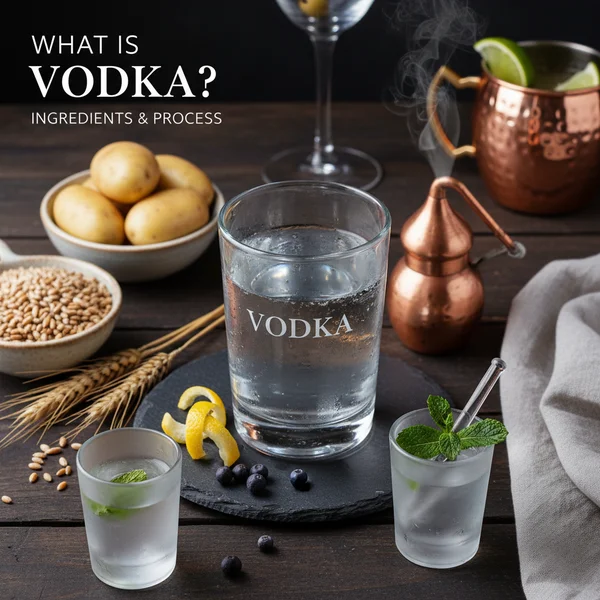
The Science and History Behind the Spirit: What is Vodka?
To truly understand what vodka is, one must look beyond the clear liquid in the bottle. At its core, vodka is a “rectified” spirit, meaning it has been distilled multiple times to achieve the highest possible level of purity. Legally, in many jurisdictions, vodka is defined as a neutral spirit distilled or treated after distillation with charcoal or other materials so as to be without distinctive character, aroma, taste, or color. This neutrality is its defining characteristic, making it the most versatile base for cocktails worldwide.
The origins of vodka are a matter of historical debate, with both Poland and Russia claiming to be the birthplace of the spirit. Early versions of the beverage appeared in the Middle Ages, though these were significantly different from the polished products we see today. Historically, the “recipe” for vodka was often medicinal, used as a tincture for various ailments. Over centuries, the distillation process evolved from crude pot stills to sophisticated column stills, allowing producers to strip away the “congeners”—the chemical compounds responsible for heavy flavors and aromas in other spirits like bourbon or rum.
From a chemical perspective, vodka is a blend of ethyl alcohol and water. While the spirit is intended to be neutral, the source of the starch and the quality of the water used during the dilution phase play massive roles in the final mouthfeel. For example, a potato-based vodka often has a creamier texture, whereas a rye-based vodka might offer a subtle, spicy finish. Despite these nuances, the goal remains the same: a clean, crisp liquid that serves as a blank canvas for mixology.
A Professional Look at the Production Process
While you cannot safely or legally brew high-proof spirits at home without a commercial license, understanding the professional production process reveals how this complex liquid is created. The “recipe” for vodka is deceptively simple, but the execution requires precision.
1. Ingredient Selection and Preparation
The process begins with the selection of raw materials. Most modern vodka brands use cereal grains like wheat, rye, corn, or barley. However, high-end niche brands may use potatoes, grapes, or even sugar beets. The prep time for these ingredients involves cleaning and milling the grain into a coarse meal to expose the starches.
2. The Mashing Phase
The milled grain is mixed with water and heated. During this “cooking time,” enzymes are added to convert the starches into fermentable sugars. This creates a “mash” that looks somewhat like a thin porridge. The cooking time must be carefully monitored to ensure maximum sugar conversion without scorching the material.
3. Fermentation
Once the mash has cooled, it is transferred to fermentation vats. Yeast is added to the mixture. Over a period of several days, the yeast consumes the sugars, producing alcohol and carbon dioxide. At the end of this stage, you are left with a “wash” that has an alcohol content similar to a strong beer or wine.
4. Distillation (The Rectification)
This is where the liquid becomes vodka. The wash is heated in a still. Because alcohol has a lower boiling point than water, the alcohol vapors rise, are captured, and then condensed back into a liquid. To achieve the neutrality required for vodka, the spirit is usually distilled multiple times in a column still. The instructions for high-quality distillation involve “cutting” the run—separating the “heads” (harmful alcohols) and “tails” (oily impurities) from the “heart” (the pure ethanol).
5. Filtration and Dilution
The distilled spirit emerges at nearly 95% to 96% ABV. It is then filtered, often through activated charcoal, to remove any remaining organic impurities. Finally, the spirit is diluted with pure demineralized water to bring it down to the standard bottling strength, typically 40% ABV.
Important Considerations for the Vodka Consumer
When choosing or serving vodka, there are several factors to keep in mind to ensure the best experience and responsible consumption. Because vodka is so neutral, the quality of the water used in the final step is paramount. Many premium brands highlight their use of glacial water or deep-well water as a mark of quality.
Caloric Content and Nutrition
For those tracking their intake, vodka is often considered a “cleaner” choice because it contains no sugar, carbs, or fats. However, it is not calorie-free. The calories in vodka come entirely from the ethanol. A standard 1.5-ounce shot contains approximately 97 to 100 calories. This count remains consistent across most brands, provided they are not “flavored” vodkas, which may contain added sugar syrups.
Standard Servings
Understanding servings is vital for health and safety. One standard drink of vodka is 1.5 fluid ounces (44 milliliters) of 80-proof spirit. Because vodka is clear and mixes easily, it is very easy to over-pour. Always use a jigger when following a cocktail recipe to maintain consistency and monitor your total alcohol consumption.
The Myth of “Odors”
While vodka is marketed as odorless, it does have a distinct scent of ethanol. Higher-quality vodkas will smell like “nothing,” whereas lower-quality spirits may have a harsh, medicinal, or “rubbing alcohol” scent due to poor distillation cuts or inadequate filtration.
- Temperature Matters: For the best tasting experience, store your vodka in the freezer. The high alcohol content prevents it from freezing, but the cold temperature thickens the liquid, giving it a luxurious, syrupy mouthfeel.
- The Glassware: If drinking vodka neat, use a chilled “pony” glass or a small tumbler. For cocktails, ensure the glass is filled with fresh, clear ice to prevent the drink from becoming watery too quickly.
- Avoid Plastic Bottles: If possible, choose vodka in glass bottles. Over long periods, high-proof alcohol can leach subtle flavors from lower-quality plastic containers, compromising the neutral profile.
Conclusion
Vodka remains one of the most popular spirits in the world due to its incredible versatility and clean profile. Whether it is crafted from a traditional grain recipe or modern alternatives like grapes, the essence of vodka lies in its purity. By understanding the rigorous instructions involved in its distillation and the science of its ingredients, consumers can better appreciate the difference between a budget spirit and a premium craft bottle. Always remember to account for the calories in each of your servings and enjoy this historic spirit responsibly, whether served ice-cold and neat or as the backbone of your favorite cocktail.
❓ Frequently Asked Questions
1
How long does vodka last in the fridge?
Vodka has an indefinite shelf life due to its high alcohol content, so it will not spoil in the fridge or freezer. However, it is best consumed within a few years of opening to ensure the flavor remains consistent. Keeping it cold is strictly for serving preference rather than preservation.
2
Can I make vodka at home?
While technically possible, making vodka at home involves a complex distillation process that requires specific equipment and permits in many regions. Most people follow a cocktail recipe using store-bought spirits instead. For safety and legality, it is best to purchase high-quality distilled vodka from a reputable commercial distillery.
3
What can I substitute for vodka in a recipe?
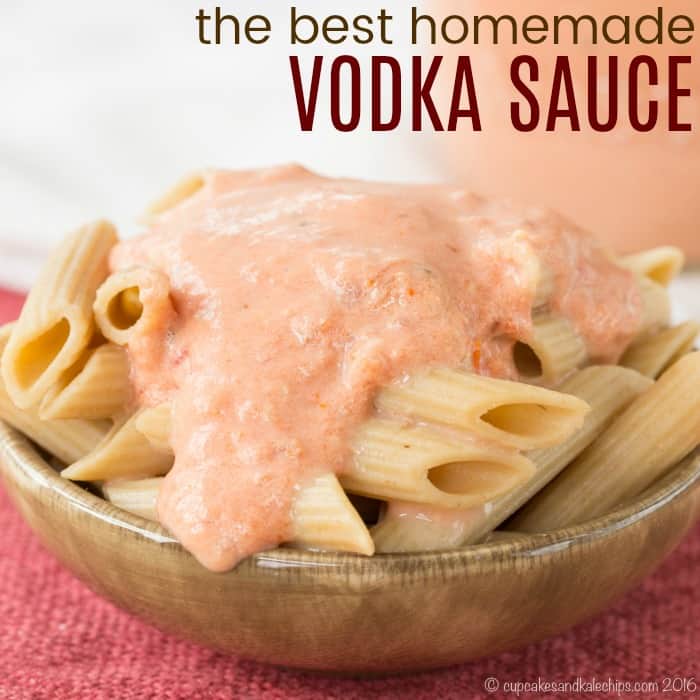
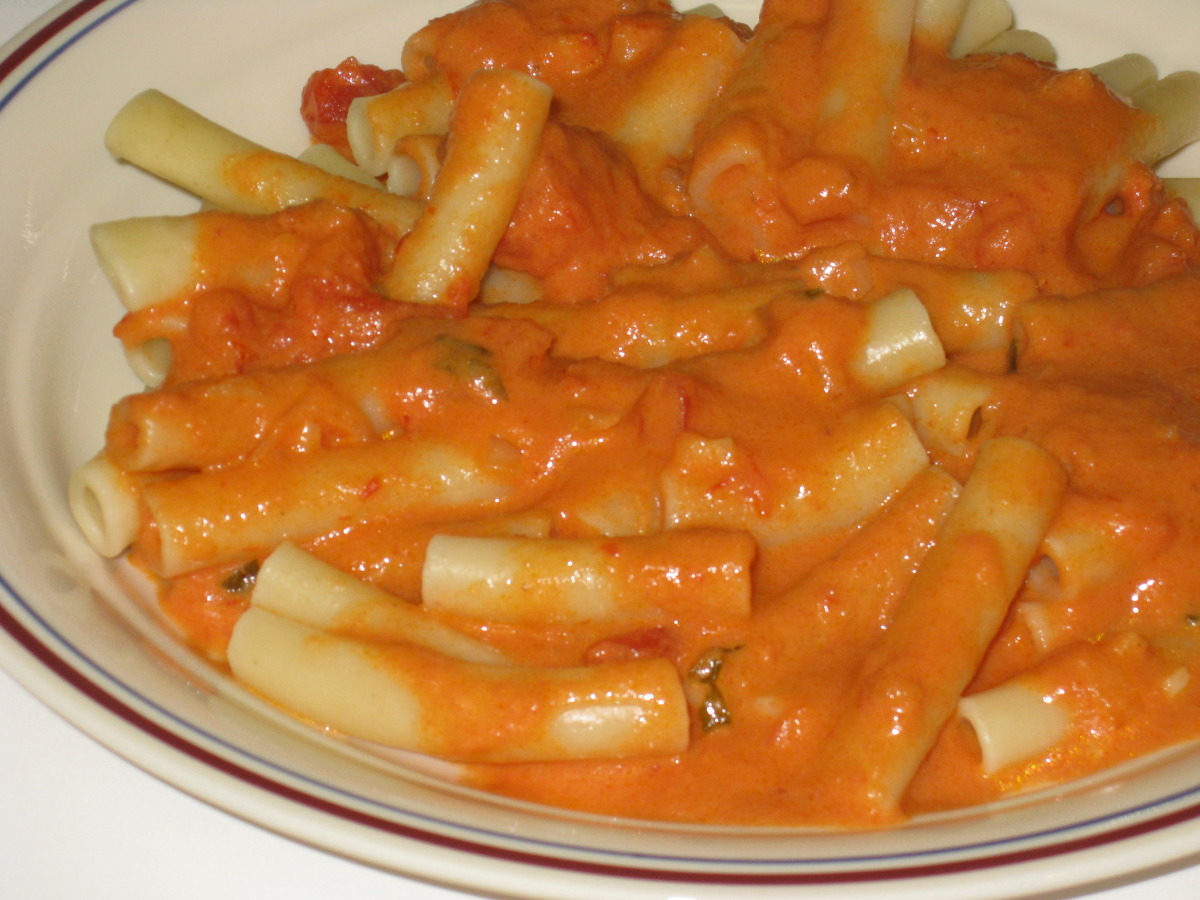
In a cooking recipe, you can often substitute vodka with white grape juice or water mixed with a squeeze of lime for acidity. If the recipe calls for vodka in a sauce, like penne alla vodka, you can simply omit the alcohol entirely or use a small amount of white wine.
4
How do I know when a vodka cocktail is done?
A vodka cocktail is typically done when the ingredients are thoroughly chilled and combined. For shaken drinks, this usually takes about fifteen seconds of following instructions for vigorous shaking with ice. You will know it is ready when the outside of the metal shaker feels frosty and very cold to the touch.
5
Can I freeze vodka?
You can safely place vodka in the freezer because it has a very low freezing point, much lower than a standard home freezer. It will not turn into a solid block of ice but will instead become thick and syrupy, which is the preferred way to serve the spirit neat.
