Norwalk Juicer Review: Ultimate Cold-Press Guide
The quest for the ultimate nutrient-dense beverage often leads health enthusiasts to the legendary Norwalk Juicer. Known for its industrial-grade construction and unparalleled extraction capabilities, this machine is frequently cited as the gold standard in the world of cold-press juicing. Whether you are following a specific healing protocol or simply want the highest quality liquid nutrition possible, understanding the mechanics and output of this hydraulic press is essential. In this comprehensive review, we will explore the unique two-stage process that separates this machine from your standard kitchen appliances, examining how it handles everything from leafy greens to root vegetables to create a truly superior drink.
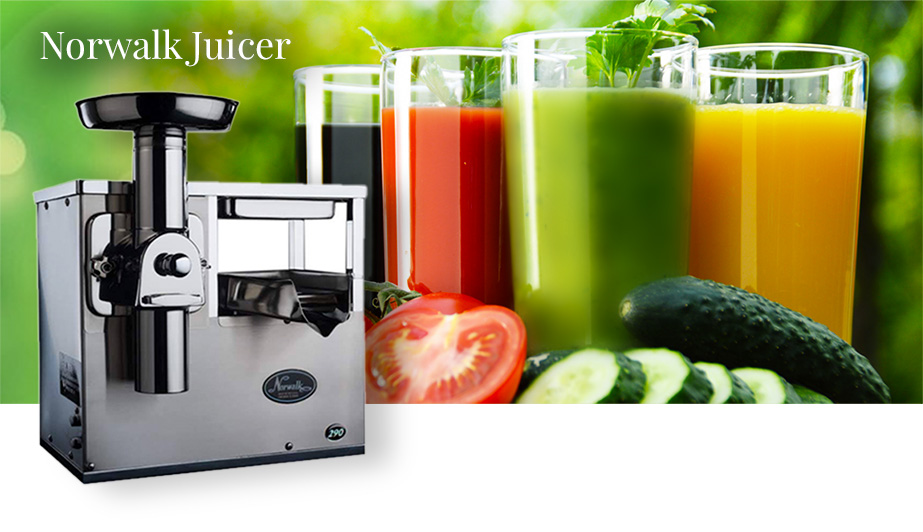
The Norwalk Juicer utilizes a unique two-stage triturator and hydraulic press system to extract significantly more vitamins, minerals, and enzymes than centrifugal or masticating juicers, resulting in a shelf-stable, professional-grade juice.
The Science of the Two-Stage Extraction Process
Most home juicers rely on high-speed spinning blades or a single auger to crush produce. The Norwalk Juicer operates on an entirely different principle known as hydraulic pressing. The process is divided into two distinct stages. First, the produce is fed into a vortex triturator. This high-speed grinder breaks down the cellular walls of the fruits and vegetables into a fine, moist pulp. Unlike a standard blender that keeps the fiber integrated, the Norwalk’s goal is to prepare the “mash” for maximum liquid release.
The second stage involves placing the pulp into a linen or synthetic filter bag and subjecting it to several tons of hydraulic pressure. This force squeezes every possible drop of moisture from the fiber, leaving behind a dry “cake” of pulp and a glass full of vibrant, enzyme-rich liquid. Because there is minimal heat friction and no aeration during the pressing phase, the resulting beverage is incredibly hydrating and packed with bioavailable nutrients. This method ensures that the delicate enzymes remain intact, providing a refreshing drink that tastes significantly different—richer and more complex—than what you would get from a high-speed centrifugal machine.
The efficiency of this system is unmatched. In side-by-side tests, the hydraulic press method consistently yields 50% to 100% more juice from the same weight of produce compared to entry-level models. For the serious consumer, this means less waste and a higher concentration of the “good stuff” in every glass. When you serve this juice chilled over a bit of ice, the clarity and lack of foam become immediately apparent, offering a smooth texture that is difficult to replicate with any other technology.
Comparing the Norwalk to Modern Blenders and Centrifugal Juicers
When considering an investment in high-end kitchen gear, many people wonder if they should opt for a high-performance blender or a dedicated juicer. It is important to understand that these tools serve different purposes. A blender creates a thick consistency by pulverizing the entire fruit or vegetable, including the fiber. While this is great for smoothies, it can be heavy on the digestive system. The Norwalk Juicer, by contrast, removes the insoluble fiber entirely. This allows the body to absorb the hydrating nutrients almost instantly, without the energy expenditure required for digestion.
| Feature | Norwalk Juicer | Standard Blender | Centrifugal Juicer |
|---|---|---|---|
| Extraction Method | Hydraulic Press | High-Speed Blades | Centrifugal Spinning |
| Juice Quality | Very High (No Foam) | Pulp-Heavy (Smoothie) | Moderate (High Oxidation) |
| Shelf Life | Up to 72 Hours | Consume Immediately | Consume Immediately |
| Cleanup Time | 15-20 Minutes | 2-5 Minutes | 5-10 Minutes |
The lack of oxidation is the Norwalk’s greatest advantage over centrifugal juicers. Centrifugal models pull air into the juice, which causes it to separate and lose its nutritional value rapidly. Norwalk juice remains stable for up to three days if kept properly chilled in the refrigerator. This makes it ideal for individuals who prefer to “batch juice” once every few days rather than cleaning their machine multiple times daily. Whether you are making a simple celery juice or a complex blend with a mint garnish, the flavor profile remains crisp and refreshing throughout its storage life.

Versatility Beyond Simple Liquid Extraction
While the primary focus of any Norwalk juicer review is its ability to create liquid gold, the machine is surprisingly versatile in a culinary context. Because the triturator is essentially a high-torque grinder, it can be used for various other kitchen tasks. Owners often use it to create smooth nut butters, grind coffee beans, or even make homemade flour from grains. The sheer power of the motor means it can handle frozen ingredients with ease, allowing you to create healthy, frozen fruit sorbets that have a texture similar to traditional ice cream but without the added dairy or sugar.
For those interested in raw food preparation, the Norwalk is an invaluable tool. You can use the triturator to shred vegetables for salads or dehydrator recipes. When you are finished extracting your juice, the leftover dry pulp can even be used as a base for crackers or composted to maintain a zero-waste kitchen. The machine’s ability to handle tough, fibrous produce like ginger, turmeric, and wheatgrass makes it a comprehensive wellness station rather than just a single-use appliance. It turns the act of creating a refreshing, hydrating tonic into an efficient, professional-grade process.
Durability, Maintenance, and the Cleaning Reality
One cannot discuss the Norwalk without mentioning its legendary build quality. These machines are constructed primarily of heavy-duty stainless steel and are built to last for decades. It is not uncommon to find vintage models from several decades ago still in perfect working order. This durability is part of why the price point is significantly higher than plastic-based juicers found in big-box stores. It is an investment in longevity and health.
However, the trade-off for this power and durability is the cleaning process. Unlike a simple blender that you can rinse quickly, the Norwalk requires a more hands-on approach. The triturator housing, the hydraulic press plate, and the filter bags all need to be cleaned thoroughly after each session. The filter bags, in particular, require careful attention; they must be washed and occasionally boiled or soaked in a mild bleach solution to remain sanitary and free of bacterial growth. While the process becomes faster with practice, it is a commitment that users must be prepared for if they want to maintain the machine’s performance.
Despite the extra time spent at the sink, many users find the ritual rewarding. The tactile nature of folding the cloths and operating the hydraulic lever connects the user to their nutrition in a way that pushing a button on a digital screen cannot. When you finally pour that chilled, deep-green liquid into a glass, garnished with a slice of lemon, the effort feels justified by the quality of the result.
Is the Norwalk Juicer Right for Your Lifestyle?
The decision to purchase a Norwalk Juicer typically comes down to two factors: your health goals and your budget. If you are a casual juicer who enjoys an occasional drink on the weekend, a standard masticating juicer or a high-powered blender might suffice. However, if you are dedicated to a daily juicing regimen, or if you are dealing with health challenges that require the highest possible nutrient density, the Norwalk is often the only choice that makes sense.
It is also worth considering the cost-savings over time. Because the hydraulic press extracts so much more juice from produce, you will spend significantly less on organic fruits and vegetables to get the same amount of liquid. Over a year of daily juicing, these savings can add up to hundreds of dollars, eventually offsetting the initial high cost of the machine. For the serious enthusiast, the Norwalk isn’t just a kitchen gadget; it’s a piece of medical-grade equipment designed to provide the most hydrating and nutrient-rich beverage possible.
Expert Tips for Maximizing Your Juicing Experience
To get the most out of your Norwalk, experts suggest a few specific techniques that can improve both yield and flavor. First, always ensure your produce is as cold as possible before starting. Using chilled ingredients helps keep the friction heat from the triturator to a minimum, preserving the most delicate enzymes. If you are juicing high-water content fruits like melons or citrus, consider alternating them with fibrous greens to help the pulp move through the triturator more efficiently.
Another professional tip involves the management of the filter bags. To prevent the bags from bursting under the immense pressure of the hydraulic ram, never overfill them. It is better to do more frequent, smaller presses than one large, overloaded one. Additionally, many experts recommend “double-folding” the cloths to ensure no pulp escapes into the final beverage, resulting in a crystal-clear juice that looks beautiful when served in a glass with a fresh garnish.
- Store your finished juice in airtight glass mason jars, filled to the very top to minimize oxygen exposure, and keep them chilled at the back of the refrigerator.
- After cleaning your filter bags, store them in a container of filtered water in the freezer between uses to prevent any oxidation or odors from developing in the fabric.
In summary, while the Norwalk Juicer requires a significant financial investment and a commitment to a more involved cleaning routine, its performance remains the gold standard in the beverage industry. The two-stage hydraulic press system provides a level of nutrient extraction that simply cannot be matched by standard kitchen tools. If your priority is the highest quality, most refreshing, and most hydrating juice possible, the Norwalk provides a professional-grade solution that will serve you for a lifetime. For those serious about their health, it is a tool that turns daily nutrition into a powerful, life-enhancing ritual.
❓ Frequently Asked Questions
1
How long does Norwalk juice last in fridge?
Juice made with a Norwalk Juicer can last up to 72 hours in the refrigerator. Because the hydraulic press minimizes oxidation and heat friction, the nutrients and enzymes remains stable much longer than juice from centrifugal machines. Store in an airtight glass jar filled to the brim.
2
Can I make Norwalk juice ahead of time?
Yes, you can definitely make your juice ahead of time. The Norwalk’s unique extraction process ensures that the juice stays fresh and vibrant for several days. This makes it the perfect tool for batch juicing or preparing your morning beverage the night before for a quick start.
3
What can I substitute for a Norwalk Juicer?
If you do not have a Norwalk, you can substitute it with a high-end masticating juicer or a high-powered blender paired with a fine-mesh nut milk bag. While the yield and nutrient density may be slightly lower, these alternatives still provide a healthy, refreshing, and hydrating beverage for daily consumption.
4
How do I know when the pressing is done?
You know the pressing process is complete when the flow of liquid from the hydraulic press slows to a very occasional drip. Additionally, the pulp inside the pressing cloths should feel relatively dry and compressed into a tight cake, indicating that almost all moisture has been extracted.
5
Can I freeze juice from a Norwalk?
You can freeze Norwalk juice, though fresh is always preferred. To freeze, pour the juice into freezer-safe containers, leaving at least an inch of headspace for expansion. Thaw in the refrigerator overnight. While some texture may change, the high nutrient content remains largely intact for several weeks.