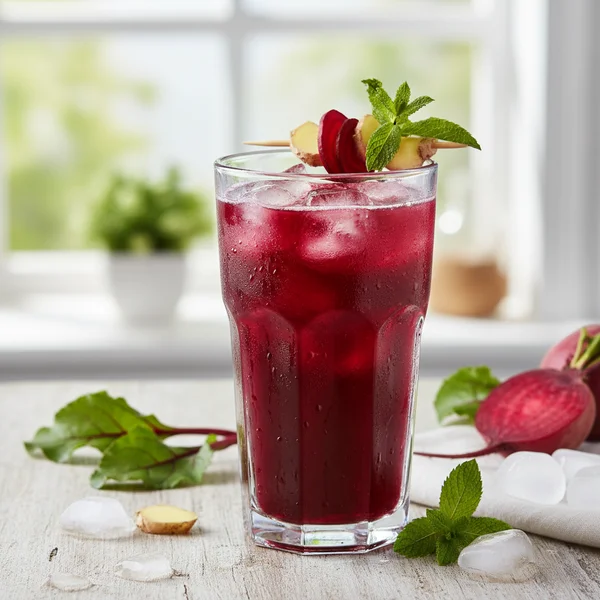
Cold Pressed Juicer Machine: Perfect Guide
Investing in a high-quality cold pressed juicer machine is more than just a kitchen upgrade; it is a commitment to a healthier lifestyle. Unlike traditional centrifugal juicers that use high-speed blades to shred produce, a cold pressed juicer machine utilizes a slow, masticating process to extract every drop of liquid from fruits and vegetables. This gentle method minimizes heat and oxidation, ensuring that the live enzymes and delicate vitamins remain intact. In this guide, you will learn exactly how these machines function, why they outperform the standard blender for nutrient density, and how to create the most refreshing, hydrating beverages right in your own kitchen.
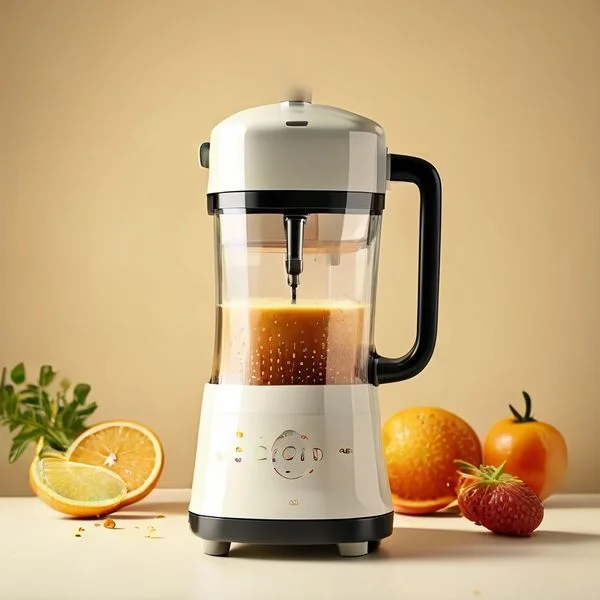
A cold pressed juicer machine preserves up to 60% more vitamins and minerals than high-speed centrifugal models by eliminating heat friction, resulting in a superior, nutrient-dense juice with a longer shelf life.
The Science Behind the Cold Pressed Juicer Machine
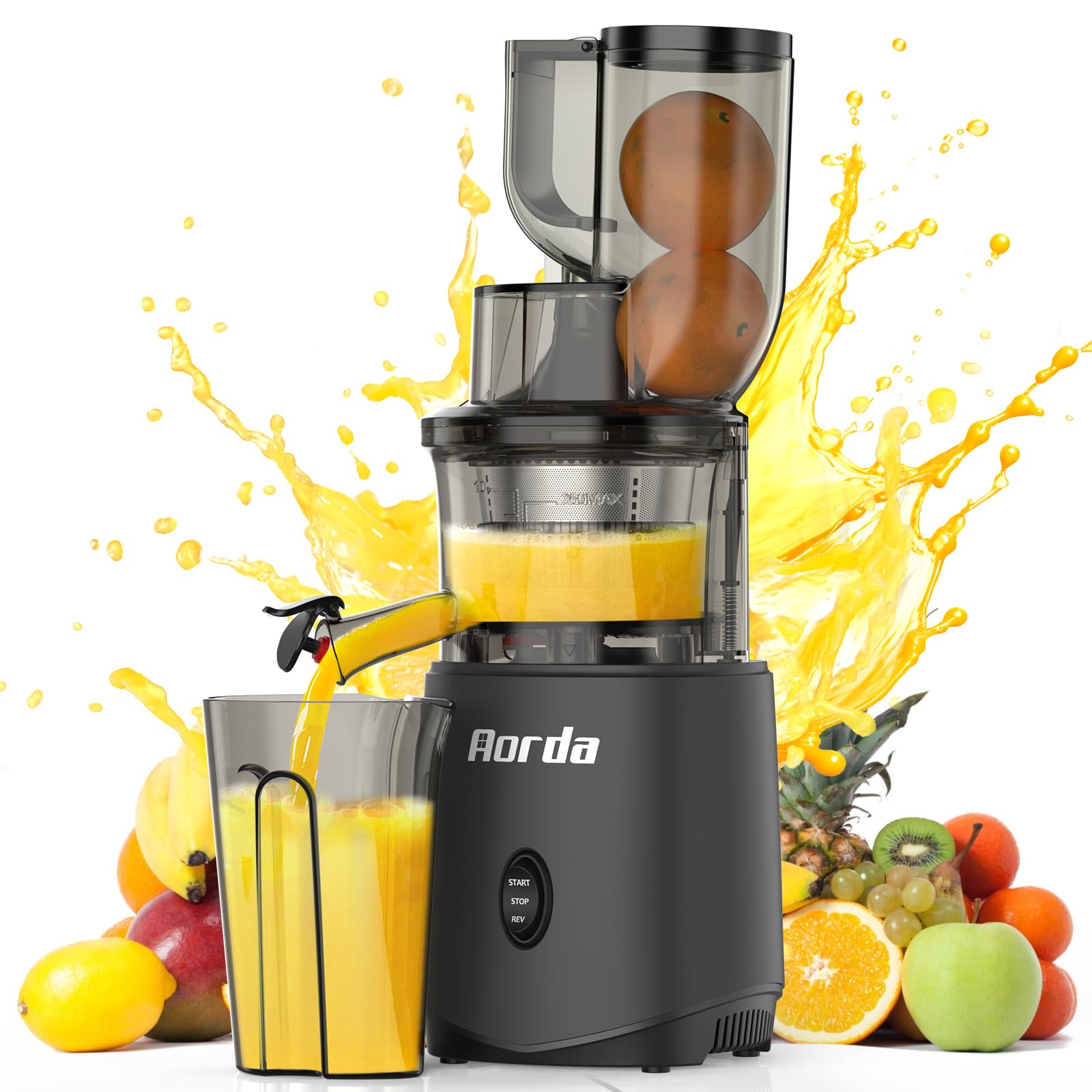
To understand why health enthusiasts prefer the cold pressed juicer machine, one must look at the mechanics of extraction. These devices are often referred to as masticating juicers because they mimic the human action of chewing. A heavy-duty auger slowly crushes the produce against a stainless-steel mesh screen. This slow rotation, usually between 40 to 80 RPM, prevents the buildup of heat. Heat is the primary enemy of nutrition in fresh juice, as it can denature proteins and destroy heat-sensitive vitamins like Vitamin C and B-complex.
Because there is no high-speed spinning, very little air is introduced into the juice. Oxidation is the process that causes juice to turn brown and lose its flavor quickly. By using a cold pressed juicer machine, you produce a liquid that stays vibrant and delicious for up to 72 hours when stored in a chilled glass container. This makes it possible to “batch juice” on a Sunday evening and enjoy a refreshing, hydrating drink throughout the start of your work week without a significant loss in quality.
Furthermore, the efficiency of these machines is unmatched. The pulp that exits a masticating juicer is typically bone-dry, meaning you are getting the maximum possible yield from your expensive organic produce. Whether you are processing tough kale leaves, fibrous celery, or soft berries, the slow extraction ensures that no drop of nutrient-rich liquid is wasted.
Cold Pressed Juicing vs. Using a Standard Blender
A common question among beginners is whether they can achieve the same results with a high-speed blender. While both tools have a place in a healthy kitchen, they serve entirely different purposes. A blender pulverizes the entire fruit or vegetable, including the fiber, to create a smoothie. A cold pressed juicer machine, however, separates the liquid juice from the insoluble fiber. This allows your body to absorb nutrients almost instantly, as the digestive system does not have to work to break down the plant walls.
Consider the following comparison to see which method fits your current health goals:
| Feature | Cold Pressed Juicer | High-Speed Blender |
|---|---|---|
| Nutrient Concentration | Very High (No Heat) | Moderate (Frictional Heat) |
| Fiber Content | Low (Liquid Only) | High (Whole Food) |
| Digestion Speed | Near Instant | Slow (Full Digestion Required) |
| Texture | Thin and Smooth | Thick and Creamy |
While a blender is excellent for making a frozen fruit sorbet or a meal-replacement smoothie, the cold pressed juicer machine is the king of hydration. By removing the fiber, you can consume a much larger volume of vegetables—such as three pounds of carrots and spinach—in a single glass, providing a concentrated “vitamin shot” that would be impossible to eat or blend in one sitting.
Creating the Perfect Refreshing and Hydrating Beverage
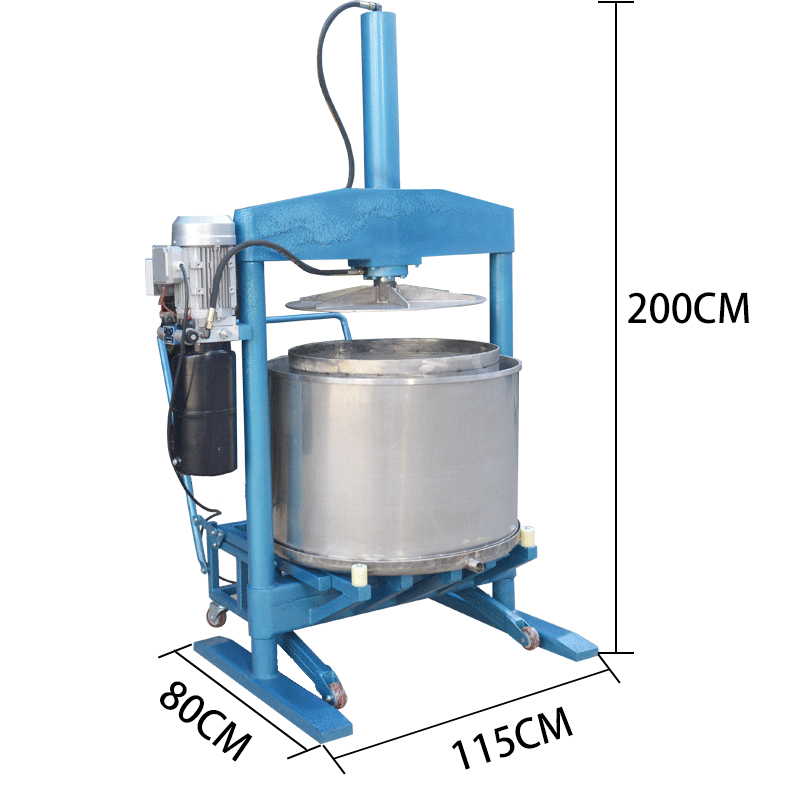
The true joy of owning a cold pressed juicer machine is the ability to experiment with flavors and textures. To create a beverage that is truly refreshing, start with a hydrating base. Cucumbers and celery are excellent choices because they have high water content and a neutral flavor profile. Once you have your base, you can add layers of complexity with tart apples, earthy beets, or spicy ginger.
For an elevated experience, presentation and temperature are key. Fresh juice is best enjoyed when it is perfectly chilled. You can achieve this by refrigerating your produce before juicing or by serving the final product over a handful of clean ice. If you want to get creative, try using frozen fruit pieces instead of regular ice cubes; frozen grapes or pineapple chunks will keep the drink cold without diluting the flavor as they melt.
To make your juice look as good as it tastes, never underestimate the power of a garnish. A sprig of fresh mint, a thin slice of lime, or even a dusting of turmeric can transform a simple drink into a spa-quality experience. These small additions not only improve the visual appeal but also add aromatic notes that enhance the overall sensory experience of the beverage.
Maintaining Your Cold Pressed Juicer Machine
To ensure your cold pressed juicer machine lasts for years, proper maintenance is essential. Because these machines work at low speeds, they are generally quieter and more durable than their centrifugal counterparts, but they do require diligent cleaning. Most modern units are designed for easy assembly and disassembly, allowing you to rinse the components quickly after use.
It is important to clean the mesh screen immediately. If the tiny holes in the screen become clogged with dried pulp, the efficiency of the machine will drop significantly. Most manufacturers provide a specialized brush to scrub away fibers. If you find yourself in a rush, at least submerge the parts in warm, soapy water to prevent the residue from hardening until you have time for a thorough cleaning. Proper care ensures that every glass of juice remains as pure and refreshing as the first one you made.
Expert Tips for Professional Results
Maximizing the potential of your cold pressed juicer machine requires a few “insider” techniques. First, always alternate the types of produce you feed into the chute. For example, if you are juicing leafy greens like spinach, follow them with a hard, crunchy ingredient like a carrot or an apple. The harder produce helps push the soft leaves through the auger and clears the screen, resulting in better flow and less clogging.
Second, pay attention to the size of your produce. While many machines boast “wide-mouth” chutes, cutting your fruits and vegetables into smaller pieces reduces the strain on the motor and allows for even more efficient extraction. This small extra step can extend the life of your machine by several years. Finally, always use the freshest produce possible. Wilted vegetables contain less water and will produce a lower yield and a less vibrant taste.
- Peel citrus fruits before juicing to avoid the bitter oils found in the skin, but leave the white pith for extra bioflavonoids.
- Save the dry pulp from your cold pressed juicer machine to use in crackers, soups, or even compost for your garden.
- For a sophisticated twist, stir in a splash of sparkling water to your chilled juice for a light, effervescent refresher.
Conclusion
Embracing the use of a cold pressed juicer machine is a transformative step for anyone looking to optimize their nutritional intake. By choosing slow extraction over high-speed blending, you unlock a world of concentrated vitamins, minerals, and enzymes that are easily absorbed by the body. Whether you are looking for a hydrating cucumber tonic or a refreshing ginger-apple blend, the versatility of these machines is unmatched. Start by sourcing fresh, seasonal produce, keep your equipment well-maintained, and enjoy the vibrant, chilled results of your labor every single day.
❓ Frequently Asked Questions
1
How long does cold pressed juice last in fridge?
Cold pressed juice typically lasts 48 to 72 hours when stored in an airtight glass container. Because the slow extraction process minimizes oxidation, the nutrients stay stable longer than centrifugal juice. Always keep it refrigerated and give it a quick shake before drinking to reintegrate any natural settling.
2
Can I make nut milk with this machine?
Yes, most high-quality cold pressed juicer machines can easily produce creamy nut milks. Simply soak almonds or cashews overnight, then feed them into the machine with fresh water. This creates a smooth, delicious alternative to store-bought milk without the need for a high-speed blender or messy straining bags.
3
What can I substitute for a juicer?
If you don’t own a cold pressed juicer machine, you can use a high-speed blender. Blend your fruits and vegetables with a bit of water or ice, then pour the mixture through a fine-mesh nut milk bag or cheesecloth to manually separate the hydrating juice from the fiber.
4
How do I know when the machine is clean?
A cold pressed juicer is clean when all pulp residue is removed from the fine mesh screen. Most machines come with a specialized brush to scrub the small holes. It is vital to clean it immediately after use to prevent natural sugars from drying and clogging the parts.
5
Can I freeze cold pressed juice?
You can freeze cold pressed juice for up to three months to preserve its refreshing quality. Use BPA-free containers or silicone ice cube trays, leaving room for expansion. While some enzymes may degrade slightly, it remains a healthy, hydrating option for smoothies or a quick chilled beverage later.