Food to Pack for Vacation: Ultimate Guide
Planning the perfect getaway often involves detailed itineraries and packing lists for clothing, but the food to pack for vacation is frequently an afterthought. Whether you are heading to a secluded cabin, a bustling beach house, or embarking on a long-distance road trip, bringing your own sustenance can save significant money and ensure you maintain a healthy diet while away from home. From quick snacks that prevent hunger during transit to versatile ingredients for full meals that require minimal kitchen equipment, smart food preparation is the secret to a stress-free trip. In this guide, we will explore the best items to bring along, how to organize your cooler, and even provide a versatile recipe designed for the road.

Strategic meal planning and packing nutrient-dense, shelf-stable foods reduce vacation stress, lower dining costs, and ensure you have healthy options available regardless of your destination’s amenities.
Non-Perishable Essentials and Pantry Staples
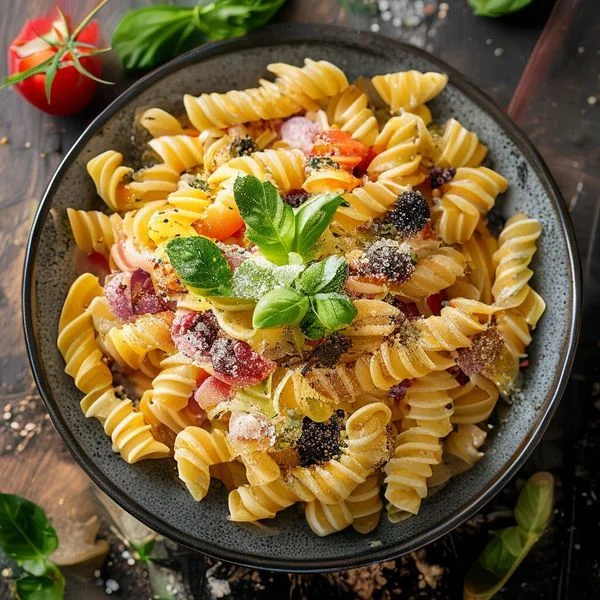
When considering what food to pack for vacation, your first priority should be high-quality, non-perishable items. These are the “safety” foods that don’t require refrigeration and can survive hours in a warm car. Grains such as quinoa, couscous, and pasta are excellent because they are lightweight and serve as a base for multiple meals. Nut butters, specifically peanut or almond butter, provide essential fats and protein, making them perfect for quick sandwiches or as a dip for fruit.
Jerky, protein bars, and dried fruits are indispensable for hiking or long drives. When choosing snacks, look for options that offer a balance of fiber and protein to keep blood sugar levels stable. Salty snacks like pretzels or crackers are great for quick energy, but try to pair them with a protein source. Additionally, do not forget the “flavor boosters.” Small containers of salt, pepper, red pepper flakes, and a small bottle of olive oil can transform basic vacation rental ingredients into a gourmet meal. Many travelers find that pre-mixing their favorite dry spice blends into small jars saves space and time once they arrive at their destination.
Fresh Perishables and Cooler Management
Packing fresh food to pack for vacation requires a bit more logistics, especially if you are traveling for more than a few hours. Sturdy fruits and vegetables are your best friends here. Think of produce that doesn’t bruise easily, such as apples, oranges, carrots, celery, and bell peppers. These can be pre-washed and sliced to encourage healthy snacking throughout the journey. If you are bringing greens, opt for heartier varieties like kale or shredded cabbage, which hold up better than delicate spinach or romaine.
For proteins, pre-cooked options are the most convenient. Hard-boiled eggs, grilled chicken breast strips, and pre-cooked deli meats can be stored in airtight containers at the top of a cooler. The key to successful cooler packing is layering. Place frozen water bottles or ice packs at the bottom, followed by the heaviest and most perishable items like raw meats (if you plan to cook at your destination). Place the items you will need first, such as lunch sandwiches or snacks, at the very top to minimize the time the cooler lid stays open. Using frozen water bottles serves a dual
The Ultimate Travel-Ready Recipe: Mediterranean Chickpea Salad
One of the best ways to manage food to pack for vacation is to prepare a versatile, “no-wilt” salad before you leave. This recipe is specifically designed to get better as it marinates, making it the perfect choice for the second or third day of your trip. It requires no reheating and is packed with nutrition to keep you energized for vacation activities.
Prep time: 15 minutes
Cooking time: 0 minutes
Servings: 4
Calories: Approximately 280 per serving
Ingredients:
- 2 cans (15 oz each) chickpeas, rinsed and drained
- 1 large English cucumber, diced
- 1 pint cherry tomatoes, halved
- 1/2 red onion, finely diced
- 1/2 cup crumbled feta cheese
- 1/4 cup extra virgin olive oil
- 2 tablespoons lemon juice
- 1 teaspoon dried oregano
- Salt and black pepper to taste
Instructions:
To begin this recipe, ensure your chickpeas are thoroughly rinsed and dried; this helps the dressing adhere better. In a large mixing bowl, combine the chickpeas, cucumber, tomatoes, and red onion. In a separate small jar, whisk together the olive oil, lemon juice, oregano, salt, and pepper. Pour the dressing over the vegetables and toss gently to coat. Finally, fold in the feta cheese. Transfer the salad into a sturdy, airtight plastic or glass container. This dish stays fresh in a cooler or refrigerator for up to four days.
Smart Packing Hacks for Vacation Rentals
If your vacation involves staying in a rental with a kitchen, your packing strategy should shift toward “component cooking.” Instead of packing entire meals, pack ingredients that can be used in multiple ways. For example, a bag of tortillas can be used for breakfast burritos, lunch wraps, or dinner tacos. A single rotisserie chicken can be shredded for salads, added to pasta, or eaten as a main dish with a side of vegetables.
Consider the “Condiment Kit.” It is often frustrating to buy a whole jar of mayonnaise or a large bottle of ketchup for a three-day trip. Collect single-serve packets from takeout orders throughout the year and keep them in a dedicated travel bag. This saves money and precious refrigerator space in your rental. Furthermore, if you plan on baking or cooking complex meals, pre-measure your dry ingredients at home and store them in labeled zip-top bags. This eliminates the need to bring bulky flour bags or multiple spice jars, allowing you to focus on relaxation rather than kitchen prep.
Expert Tips for Vacation Food Prep
Professional travelers and meal planners suggest always over-packing on water and under-packing on “junk” food. It is easy to rely on gas station snacks, but these often lead to energy crashes. Instead, prioritize hydration by bringing a reusable water bottle for every family member. If you are flying, remember that you can bring solid food through security, but spreads like peanut butter or yogurt must follow the liquid ounce rules.
Another professional recommendation is to research local grocery stores near your destination before you leave. This allows you to pack only the specialty items or high-cost staples from home, while planning to buy fresh milk, bread, and local produce once you arrive. This “hybrid” approach reduces the weight of your luggage or car and supports the local economy of your vacation spot.
- Freeze juice boxes or yogurts to act as mini ice packs that double as snacks once thawed.
- Pack a small roll of aluminum foil and some parchment paper; they are invaluable for easy cleanup in rental kitchens.
- Use square or rectangular containers instead of round ones to maximize space in your cooler or bag.
Conclusion
Mastering the art of selecting the right food to pack for vacation can transform your travel experience. By balancing shelf-stable pantry items with carefully managed perishables and a few pre-prepared meals, you ensure that your nutrition remains a priority even while you are off the clock. Not only does this approach save money, but it also provides the convenience of having a meal ready the moment you arrive. Start your next trip by prepping a few versatile staples and utilizing smart packing containers to make your vacation dining as enjoyable as the destination itself.
❓ Frequently Asked Questions
1
How long does travel food last in the car?
Most non-perishable snacks last indefinitely, but prepared items like sandwiches or cut fruit should be kept in a cooler. In an insulated bag with ice packs, perishables generally stay safe for 4 to 6 hours. Always discard items if the temperature inside the cooler rises above 40°F.

2
Can I make travel meals ahead of time?
Yes, preparing meals ahead of time is a great way to save money and eat healthier on the road. Aim to make wraps, salads, or grain bowls one day before your departure. Keep them refrigerated until the moment you leave to ensure maximum freshness and food safety.
3
What can I substitute for peanut butter?
If you are traveling in nut-free zones or have allergies, sunflower seed butter or soy nut butter are excellent alternatives. They provide a similar texture and protein boost. You can also use hummus or mashed avocado for wraps, though these require better temperature control during transport.
4
How do I know when travel food is spoiled?
Check for off-smells, slimy textures, or visible mold, especially on dairy or meat-based products. If a container has expanded or the food tastes sour, it is best to discard it immediately. When in doubt, follow the safety rule: throw it out to avoid illness during your trip.
5
Can I freeze snacks for later?
You can freeze certain items like yogurt tubes, grapes, or water bottles to act as temporary ice packs. As they melt, they provide a refreshing snack or drink. Muffins and energy balls also freeze well and will thaw perfectly by the time you are ready for a midday treat.