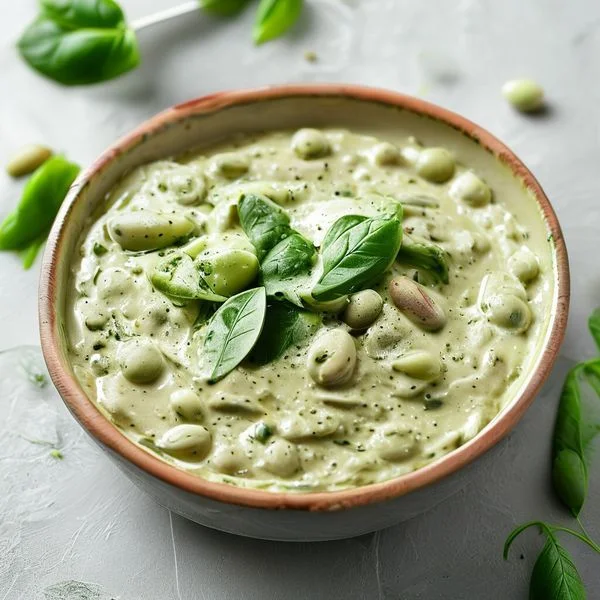
Acorn Squash Soup Recipe: Creamy & Hearty
As the leaves begin to turn and the air grows crisp, nothing satisfies the soul quite like a bowl of golden, velvety soup. This acorn squash soup recipe elevates a humble garden vegetable into a sophisticated masterpiece of flavor. Unlike many versions that lean too heavily on sugar, this recipe balances the natural sweetness of the squash with savory herbs, aromatic garlic, and a hint of warming spice. It is the ultimate comfort food for those chilly evenings when you need something hearty yet nourishing. Whether you are hosting a festive dinner or simply looking for a quiet meal by the fire, this creamy, golden liquid gold will win over your heart and palate. Every spoonful offers a complex depth that tastes like it spent all day simmering on the stove, even though it comes together with surprising ease.

- ⏱️ Prep Time: 15 minutes
- 🍳 Cook Time: 45 minutes
- 👥 Servings: 4 servings
- 📊 Difficulty: Easy
Ingredients for the Perfect Acorn Squash Soup
To create this rich and flavorful soup, you will need a handful of fresh, wholesome ingredients. Using high-quality vegetable or chicken stock makes a significant difference in the final depth of the dish. Here is everything you need to gather before you begin:
- 2 medium acorn squashes (about 1.5 pounds each)
- 2 tablespoons extra-virgin olive oil
- 1 large yellow onion, finely diced
- 3 cloves garlic, minced
- 1 tablespoon fresh ginger, grated (optional but highly recommended)
- 4 cups high-quality vegetable stock or chicken stock
- 1/2 cup heavy cream (or full-fat canned coconut milk for a dairy-free version)
- 1 teaspoon sea salt, plus more to taste
- 1/2 teaspoon cracked black pepper
- 1/2 teaspoon ground nutmeg
- 1/4 teaspoon ground cinnamon
- 2 tablespoons pure maple syrup
- Fresh sage leaves or roasted pumpkin seeds for garnish
Step-by-Step Instructions
1. The first and most crucial step in this acorn squash soup recipe is roasting the squash. Preheat your oven to 400 degrees Fahrenheit. Prepare your squashes by cutting them in half lengthwise from the stem to the point. Use a heavy metal spoon to scoop out the seeds and the stringy fibers from the center. Lightly brush the cut flesh with a teaspoon of olive oil and sprinkle with a pinch of salt. Place the squash halves cut-side down on a parchment-lined baking sheet. Roast for approximately 35 to 40 minutes. You will know they are ready when the skin is easily pierced with a fork and the flesh is tender and caramelized around the edges. Roasting creates a far superior flavor compared to boiling, as it concentrates the natural sugars.

2. While your squash is finishing in the oven, you can begin the base of your soup. In a large heavy-bottomed pot or Dutch oven, heat the remaining olive oil over medium heat. Once the oil begins to shimmer, add the diced yellow onion. You want to cook these slowly, allowing them to soften and turn translucent. This process, known as sweating the onions, should take about 5 to 7 minutes. Avoid browning them too quickly; the goal is a soft, sweet foundation. Once the onions are tender, add the minced garlic and grated ginger. Stir constantly for about 60 seconds until the aroma fills your kitchen, being careful not to let the garlic burn, as this can introduce a bitter taste to your soup.
3. By now, your acorn squash should be finished roasting. Remove the tray from the oven and let the squash cool for a few minutes until it is safe to handle. Use a large spoon to scoop the soft, roasted flesh out of the green skins and directly into the pot with your sautéed onions and garlic. Discard the tough outer skins. Stir the mixture together for a minute to allow the roasted squash to absorb the aromatics from the pot.
4. It is now time to add the liquid element. Pour in your four cups of stock. If you prefer a very thick, hearty soup, start with three and a half cups and add more later. Add the sea salt, black pepper, nutmeg, and cinnamon. Increase the heat slightly to bring the mixture to a gentle boil, then immediately reduce the heat to low. Allow the soup to remain simmering for about 10 to 15 minutes. This simmering period is essential because it allows the various spices and the roasted squash to fully integrate, creating a cohesive flavor profile.
5. Once the simmering is complete, it is time to transform the chunky mixture into a creamy masterpiece. You have two options here. For the easiest cleanup, use an immersion blender (hand blender) directly in the pot. Process until the texture is completely smooth and velvety. If you do not have an immersion blender, you can carefully transfer the soup in batches to a standard upright blender. Pro tip: When blending hot liquids in a standard blender, never fill it more than halfway and always hold a kitchen towel over the lid to prevent any steam pressure from causing splashes.
6. Return the blended soup to the pot over low heat. Stir in the maple syrup and the heavy cream (or coconut milk). The cream adds that signature luxurious mouthfeel that makes this the ultimate comfort food. Taste the soup and adjust the seasonings if necessary. You might find it needs an extra pinch of salt to make the spices pop or another teaspoon of maple syrup if your squash was particularly savory. Once heated through, ladle the soup into warm bowls. Garnish with a few fried sage leaves, a swirl of cream, or a handful of toasted pumpkin seeds for a delightful textural contrast.
To get the most out of this recipe, don’t throw away the squash seeds! You can rinse them, toss them with a little olive oil and salt, and roast them alongside the squash for a crunchy, zero-waste garnish. Additionally, if your soup feels too thick after blending, simply whisk in an extra splash of stock until you reach your desired consistency. For an even deeper flavor, try browning your butter before sautéing the onions to add a nutty, toasted note to the finished dish.

Variations & Substitutions
One of the best things about this acorn squash soup recipe is how adaptable it is to different dietary needs and kitchen equipment. If you are looking for a one-pot meal that requires minimal supervision, you can easily adapt this for a slow cooker. Simply place the raw, peeled, and cubed squash into the slow cooker with the aromatics and stock, and cook on low for 6 hours before blending. For those in a hurry, an instant pot version works wonders; pressure cook the cubed squash and stock for 10 minutes on high pressure, then use the quick-release method before blending and adding your cream.
For a vegan-friendly version, replace the heavy cream with full-fat coconut milk or a cashew cream. The coconut milk adds a subtle tropical undertone that pairs beautifully with the ginger. If you want a more savory, spicy kick, try adding a teaspoon of curry powder or a pinch of cayenne pepper. For a protein boost, you can stir in some cooked Italian sausage or crispy pancetta just before serving, which transforms this from a starter into a very hearty main course.
Storage & Make Ahead
This soup actually tastes even better the next day as the flavors continue to meld in the refrigerator. To store, allow the soup to cool completely to room temperature before transferring it to airtight containers. It will stay fresh in the fridge for up to 4 to 5 days. This recipe is also incredibly freezer-friendly. If you plan to freeze it, I recommend doing so before adding the cream. Freeze in freezer-safe bags or containers for up to 3 months. When you are ready to eat, thaw it overnight in the refrigerator, reheat on the stove, and stir in the cream just before serving to maintain the best texture.
- Calories: 285 kcal
- Total Fat: 14g
- Carbohydrates: 38g
- Fiber: 6g
- Protein: 4g
- Vitamin A: 120% DV
*Nutritional values are estimates based on standard ingredients.
In conclusion, this acorn squash soup recipe is a versatile, nutrient-dense, and delicious addition to your seasonal rotation. It captures the essence of autumn in a bowl, providing warmth and satisfaction with every bite. Whether you follow the stovetop method or utilize a slow cooker or instant pot, you are guaranteed a meal that feels special and home-cooked. Enjoy the process of simmering your ingredients and the wonderful aroma that will fill your home!
❓ Frequently Asked Questions
1
How long does acorn squash soup last in fridge?
This soup stays fresh in the refrigerator for up to 4 to 5 days when stored in an airtight container. Make sure to let the soup cool completely before sealing and refrigerating. Simply reheat on the stovetop over medium-low heat until steaming when you are ready to serve.
2
Can I make acorn squash soup ahead of time?
Yes, this soup is perfect for meal prep because the flavors continue to develop as it sits. You can prepare the entire recipe a day or two in advance and reheat it. If the soup thickens too much overnight, just stir in a splash of stock during reheating.
3
What can I substitute for acorn squash?
If acorn squash isn’t available, butternut squash or kabocha squash are excellent alternatives. They offer a similar sweet, nutty flavor and creamy texture when blended. Keep in mind that different squashes vary in water content, so you may need to adjust the amount of stock used during blending.
4
How do I know when acorn squash soup is done?
The soup is ready for blending once the roasted squash is completely tender and the aromatics have softened while simmering in the stock. After blending, the soup should be thick, smooth, and uniform in color. Always do a final taste test to ensure the seasonings are perfectly balanced.
5
Can I freeze acorn squash soup?
Absolutely, this soup freezes beautifully for up to 3 months. For best results, freeze it before adding any dairy like heavy cream. Thaw the soup in the refrigerator overnight, then reheat on the stove and stir in the cream just before serving to maintain the best texture.