
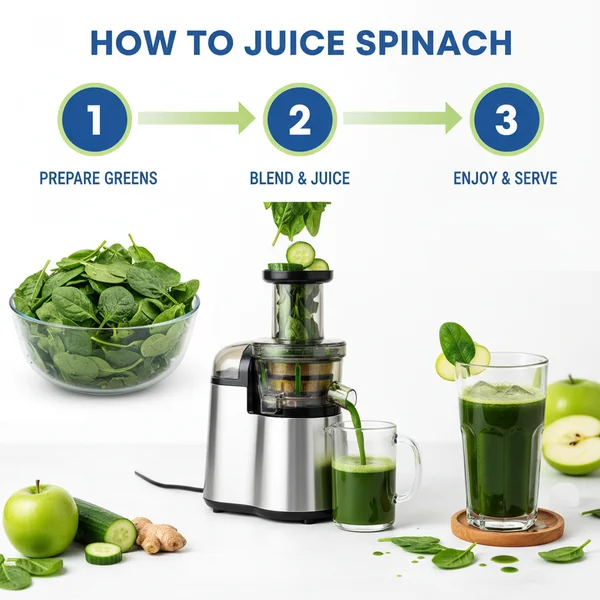
How to Juice Spinach: Easy & Healthy Guide
To juice spinach effectively, you can use either a masticating juicer for the highest yield or a high-speed blender for accessibility. If using a blender, combine fresh spinach leaves with a splash of water or coconut water, blend until smooth, and then strain the mixture through a nut milk bag or fine-mesh sieve. To enhance the flavor, add a squeeze of lemon or a green apple. For the most refreshing experience, serve the juice immediately over ice or chilled in the refrigerator.
Understanding the Benefits and Science of Spinach Juicing
Spinach is often hailed as one of the most nutrient-dense leafy greens available, and transforming it into a liquid form allows for a concentrated dose of vitamins and minerals. When you juice spinach, you are essentially removing the insoluble fiber, which allows your digestive system to absorb the nutrients more rapidly. This process creates a highly hydrating beverage that is packed with chlorophyll, vitamin K, vitamin A, manganese, and folate.
One of the primary reasons health enthusiasts turn to spinach juice is its high concentration of nitrates. These naturally occurring compounds are known to help regulate blood pressure and improve circulation. Furthermore, the antioxidants found in spinach, such as lutein and zeaxanthin, are vital for maintaining eye health and protecting against oxidative stress. Because spinach has a relatively mild, slightly earthy flavor compared to more bitter greens like kale or mustard greens, it serves as an excellent foundational ingredient for any green juice recipe.
From a practical standpoint, juicing allows you to consume a much larger volume of greens than you could comfortably eat in a salad. A single glass of juice can represent several large handfuls of raw leaves. This makes it an efficient way to meet your daily recommended intake of vegetables. Whether you are looking for a morning energy boost or a refreshing afternoon pick-me-up, understanding the nuances of spinach extraction ensures you get the most out of every leaf.
The cellular structure of spinach is delicate, meaning it reacts quickly to heat and light. This is why many experts recommend using a “cold-press” or masticating juicer, which operates at lower speeds to minimize heat buildup. If you are using a blender, the addition of ice or frozen ingredients can help keep the temperature down, preserving the integrity of the enzymes and vitamins that make this beverage so potent.
How to Juice Spinach: A Detailed Step-by-Step Guide
There are two primary methods for extracting juice from spinach: using a dedicated juicer or using a blender. Both methods have their merits, and the choice often depends on the equipment you have available and how much time you want to spend on cleanup.
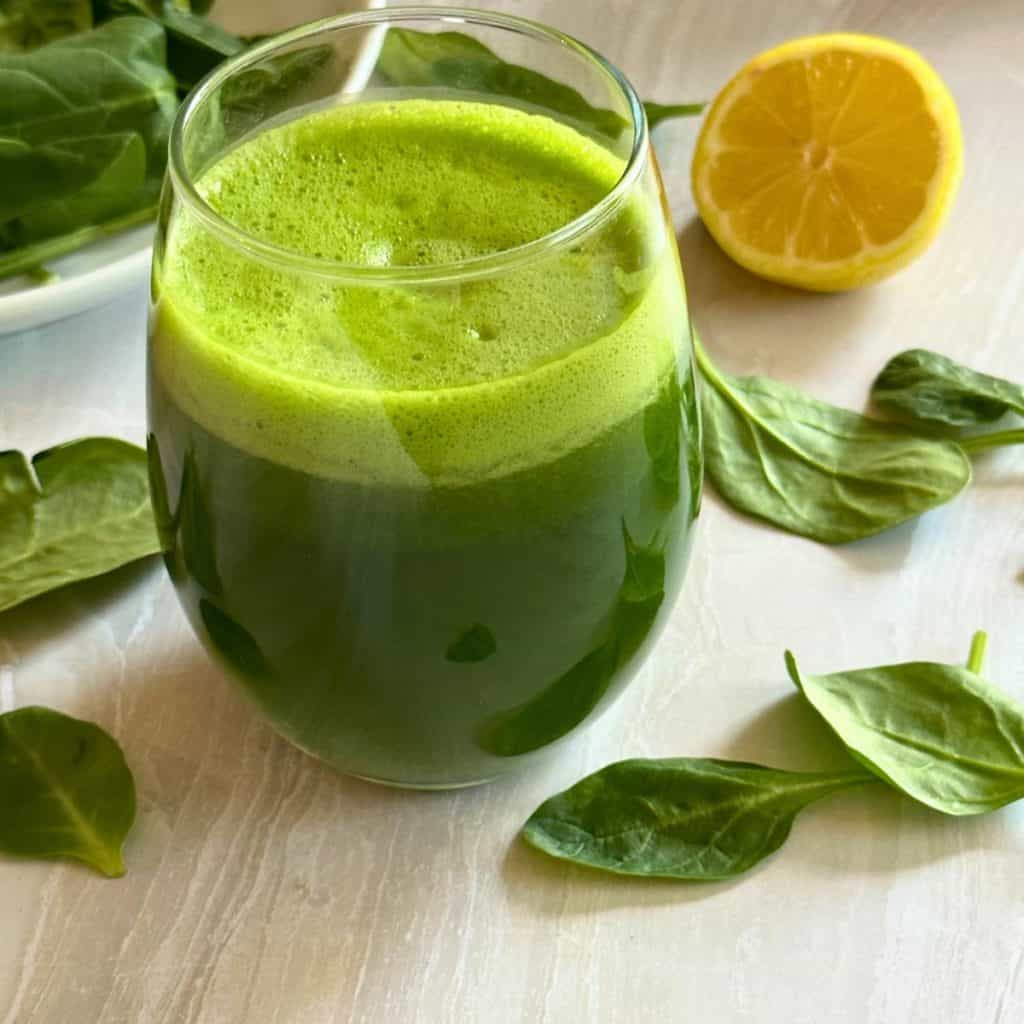
Method 1: The Juicer Method
1. Selection and Preparation: Start with fresh, crisp organic spinach. Avoid leaves that are wilted or slimy. Thoroughly wash the leaves in cold water to remove any lingering soil or sand. You do not need to remove the stems, as they contain significant moisture and nutrients.
2. Feeding the Juicer: If using a masticating juicer, feed the leaves in slowly. Because spinach is thin, it can sometimes pass through without being fully crushed. To maximize yield, bunch the leaves into tight balls or “plugs” before inserting them into the chute. Alternatively, sandwich the spinach between harder produce like apples or cucumbers to help push the leaves through the mechanism.
3. Collection: Collect the dark green liquid in a glass container. If you notice a lot of foam, you can strain it off, though the foam contains many of the same nutrients. Serve the liquid chilled for the best flavor profile.
Method 2: The Blender and Strain Method
This method is ideal if you do not own a specialized juicer. It creates a “whole food” juice that can be strained to your desired consistency.
1. Load the Blender: Place two to three cups of packed spinach into the blender jar. Add about half a cup of a hydrating liquid base, such as filtered water, coconut water, or even chilled green tea.
2. Blend: Pulse the mixture first to break down the leaves, then blend on high for about 30 to 60 seconds until the mixture is completely liquefied. If the motor seems to be struggling, add a few ice cubes to help the blades catch the leaves and to keep the mixture cool.
3. Straining: Drape a nut milk bag or a clean piece of cheesecloth over a large bowl. Pour the spinach puree into the bag. Gather the edges and squeeze firmly with your hands to extract the juice, leaving the dry pulp behind. This pulp can be saved for smoothies or composted.

4. Final Touch: Pour the extracted juice into a glass. For an extra refreshing aesthetic, add a garnish like a sprig of mint or a thin slice of cucumber. If the juice is too concentrated, you can dilute it with more water or serve it over plenty of ice.
Important Considerations for Spinach Juicing
While spinach juice is a nutritional powerhouse, there are several factors to keep in mind to ensure your juicing routine is both safe and effective. One of the most significant considerations is the presence of oxalates. Spinach is high in oxalic acid, a naturally occurring compound that can bind to calcium and other minerals. In some individuals, particularly those prone to kidney stones, high consumption of oxalates can be problematic. To mitigate this, it is often recommended to rotate your greens—alternating spinach with lower-oxalate options like romaine lettuce or cucumber—and to maintain a balanced diet.
Quality of produce is another critical factor. Because you are concentrating the ingredients, any pesticides or chemicals present on the leaves will also be concentrated in your juice. Whenever possible, opt for organic spinach. If organic is not an option, ensure you use a fruit and vegetable wash to clean the leaves as thoroughly as possible.
Temperature and storage are the final pieces of the puzzle. Spinach juice oxidizes rapidly, meaning it loses its nutritional value and flavor shortly after extraction. Ideally, you should consume the juice within 15 to 20 minutes of making it. If you must store it, use an airtight glass container, fill it to the very brim to minimize air exposure, and keep it chilled in the refrigerator for no more than 24 hours. Using frozen spinach is an option for smoothies, but for pure juicing, fresh leaves almost always yield a superior taste and more hydrating results.
- Flavor Balancing: Spinach juice can have a slightly “metallic” aftertaste due to its high iron content. Balance this by adding citrus like lemon or lime, which also helps your body absorb the plant-based iron more effectively.
- Boost Hydration: Use cucumber or celery as a base alongside your spinach. These vegetables have a very high water content and produce a much higher yield of juice.
- Temperature Control: If using a high-speed blender, always add a few ice cubes. The friction of the blades can heat the juice, which may degrade sensitive enzymes.
- The Garnish Factor: Never underestimate a good garnish. A slice of ginger or a stem of cilantro added during the juicing process can transform the flavor from “grassy” to refreshing.
- Utilization: If you have frozen spinach in the freezer that you don’t want to cook, you can thaw it slightly and press it through a sieve. While not as fresh as raw juice, it works well as a nutrient addition to other beverages.
Conclusion
Juicing spinach is a straightforward and highly rewarding way to incorporate more vitamins and minerals into your daily routine. Whether you prefer the efficiency of a masticating juicer or the versatility of a blender, the key to a successful green juice lies in the quality of the ingredients and the speed of consumption. By pairing your spinach with other hydrating vegetables and serving the final product chilled or over ice, you can create a refreshing beverage that supports your overall well-being. Remember to clean your produce thoroughly and consume your juice fresh to enjoy the maximum nutritional benefits of this vibrant green superfood.
❓ Frequently Asked Questions
1
How long does spinach juice last in fridge?
Fresh spinach juice is best consumed immediately, but it can be stored in an airtight glass container in the refrigerator for up to 24 hours. Because fresh juice lacks preservatives, its nutrient content begins to degrade and the flavor may change slightly. Always shake well before drinking to re-incorporate solids.
2
Can I make spinach juice ahead of time?
While you can prepare spinach juice up to a day in advance, it is not recommended for peak nutrition. To save time, you can pre-wash and portion your spinach and other ingredients into bags. When you are ready for a refreshing drink, simply toss them into the blender for a quick finish.
3
What can I substitute for spinach?
If you are out of spinach, kale is the most popular substitute, though it has a stronger earthy flavor. Swiss chard, collard greens, or even Romaine lettuce also work well. Each provides a similar hydrating base, though you may need to adjust the amount of lemon or apple to balance the taste.
4
How do I know when spinach juice is bad?
You will know spinach juice has gone bad if it develops a sour or off-putting odor, or if the vibrant green color turns a dull, brownish hue. If the liquid feels slimy or has visible mold, discard it immediately. Fresh juice should always smell clean and look bright and appetizing.
5
Can I freeze spinach juice?
Yes, you can freeze spinach juice for up to three months. Pour the fresh juice into silicone ice cube trays for easy portioning later. These frozen cubes are perfect for adding to smoothies or thawing for a quick nutrient boost, though the texture may change slightly upon defrosting after long storage.